

DeNova Detect Early Warning: Why 10% LEL Natural Gas Alarms Save Lives
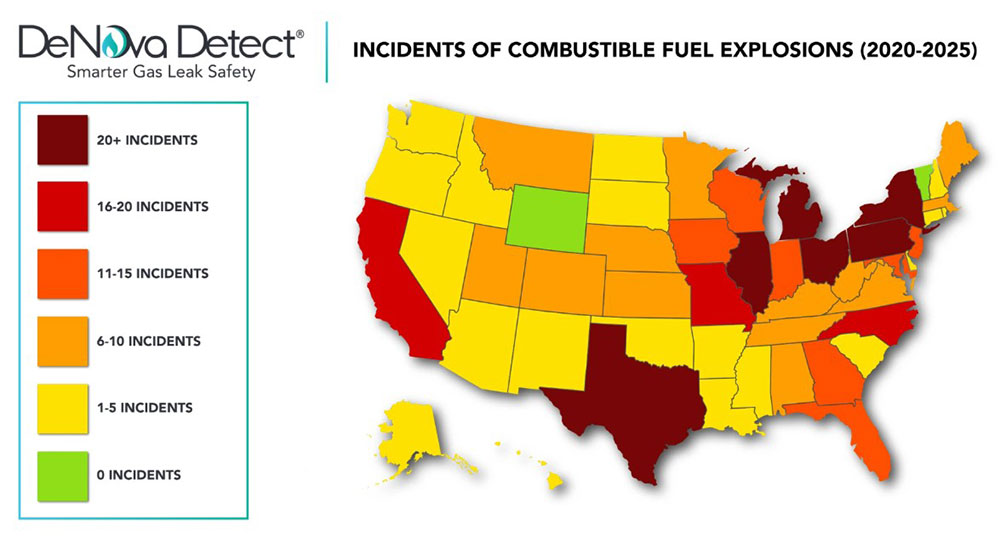
Homes across the United States will usually have a defense against smoke, fire and carbon monoxide in the shape of a detector. Smoke alarms and carbon monoxide alarms have become essential in establishing peace of mind from these very real and all too often lethal threats. We recognize the dangers imposed by the presence of undetected smoke and carbon monoxide and address them, but what of another threat? Natural gas incidents are on a dangerous rise with nearly three hundred destructive gas events happening each year. This is partly due to a reliance on natural gas appliances in homes and an aging U.S. infrastructure that's become vulnerable, especially natural gas pipelines that are built with corrosion prone materials. The latter can be particularly frightening as homeowners can be completely oblivious to the dangers that reside beneath them.
Two recent events can speak to the destruction caused by undetected natural gas. On March 12th, 2012, a natural gas explosion destroyed two buildings in East Harlem that resulted in eight deaths and over fifty injuries. The culprit was a gas main that happened to be 127 years old. The second incident happened on March 26th, 2015 in the East Village of Manhattan. This time a tapped gas line was responsible for completely destroying a series of surrounding buildings that resulted in two deaths, nineteen injuries and more than two hundred and fifty firefighters on site. The nation's oldest cities are becoming increasingly vulnerable as infrastructure continues to age, yet we still do not treat the threat of natural gas with the same amount of respect dedicated to smoke, fire and carbon monoxide.
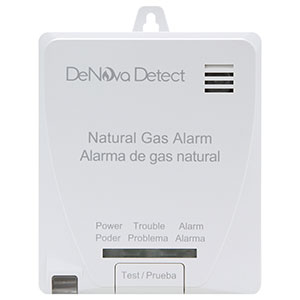
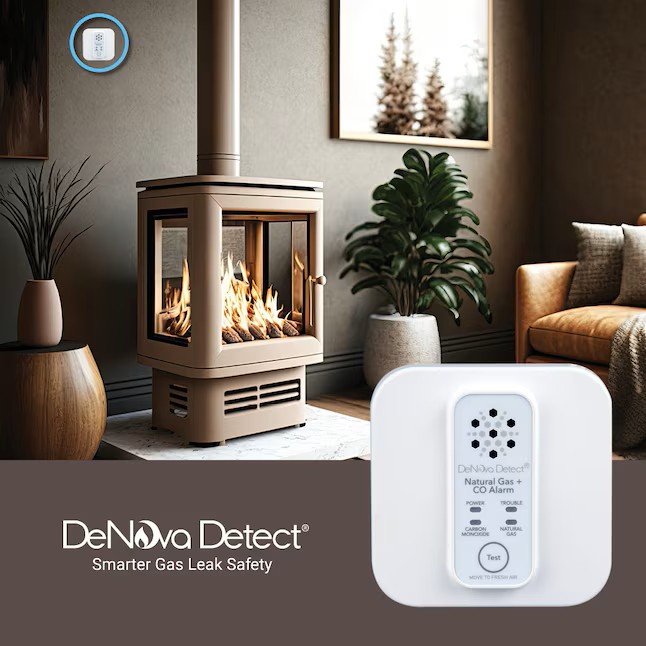
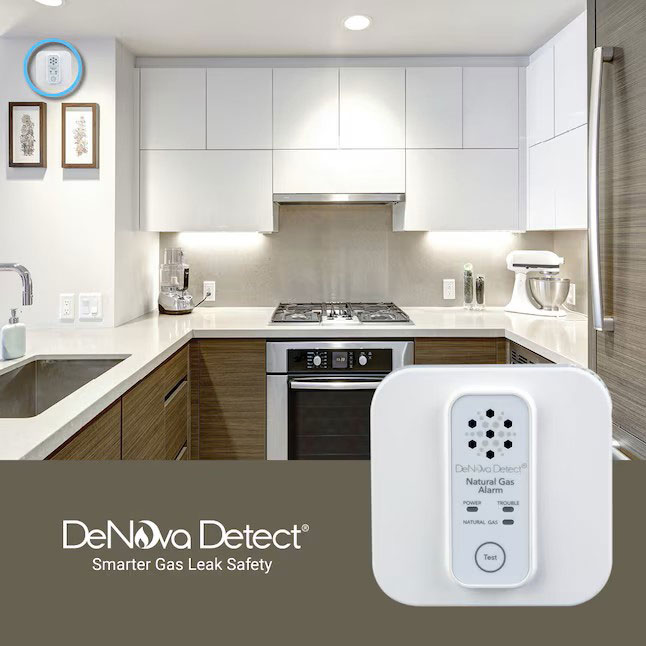
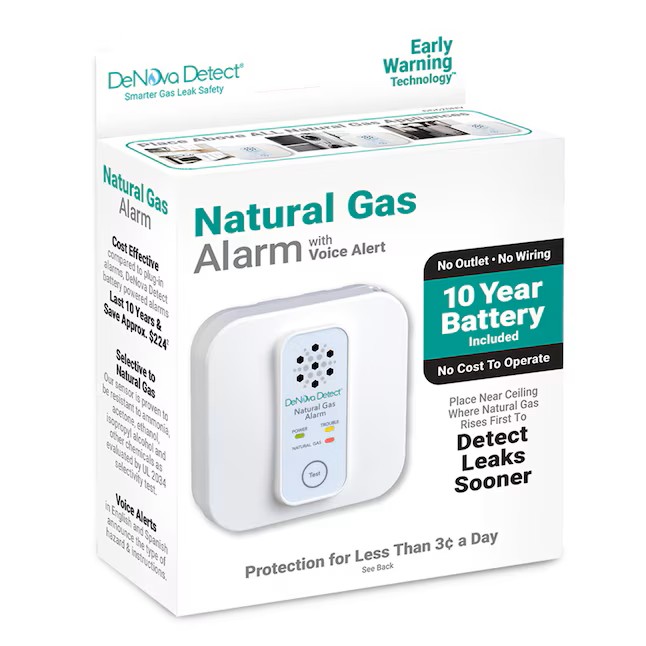
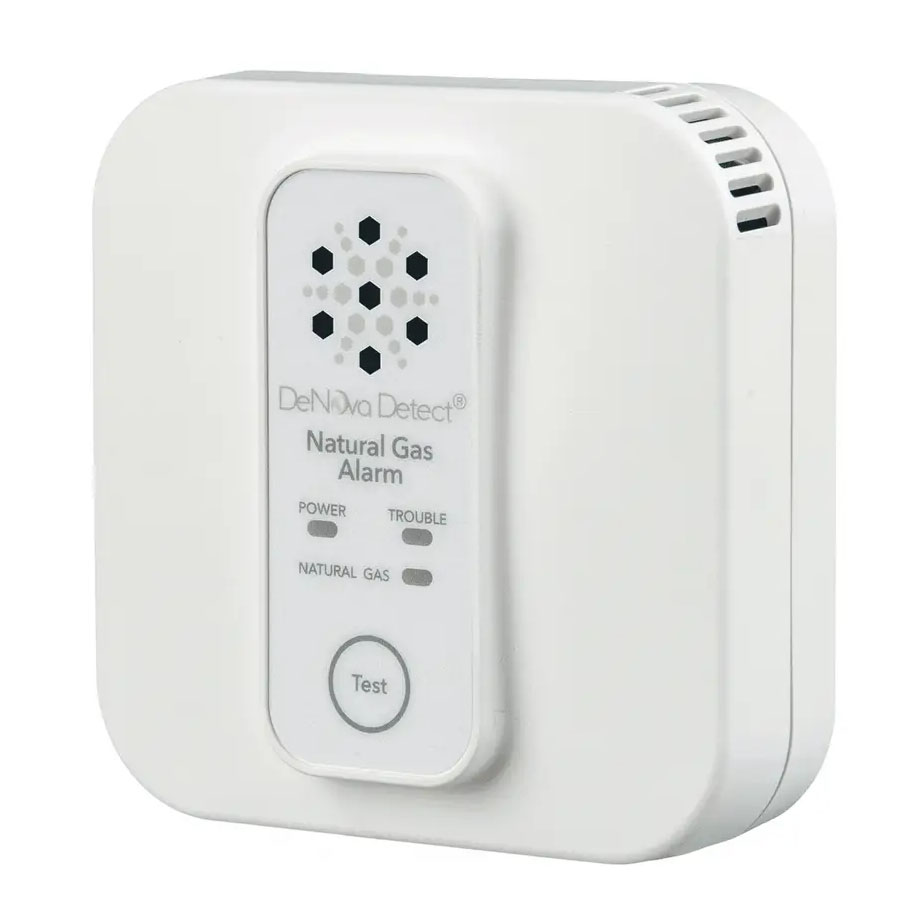
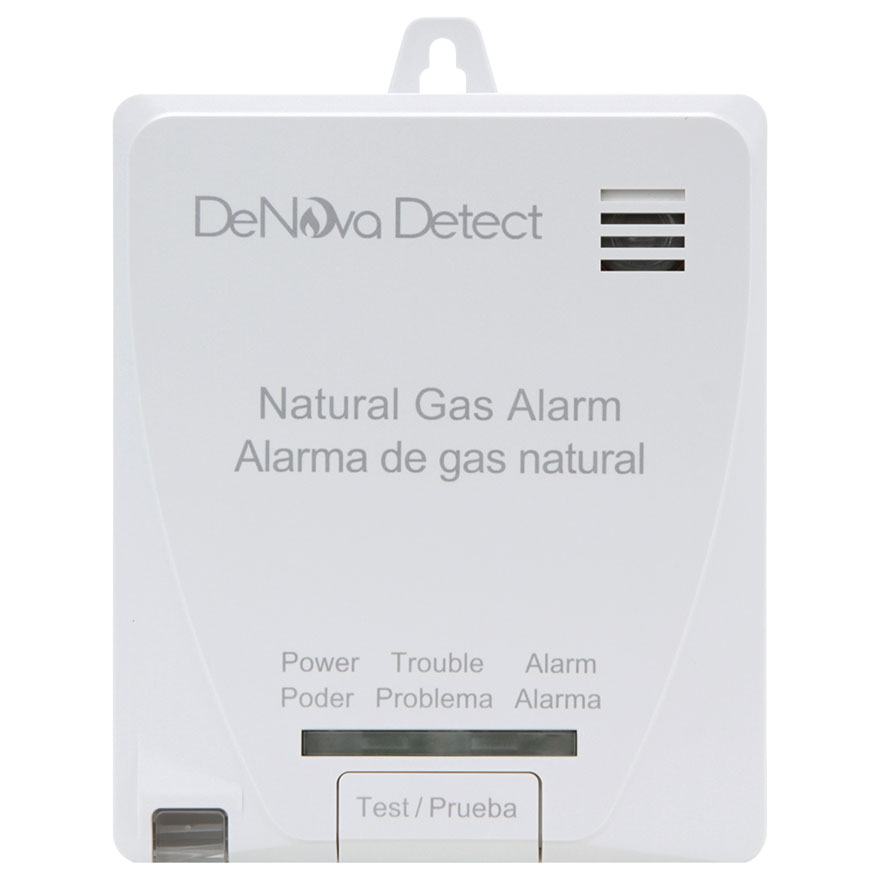
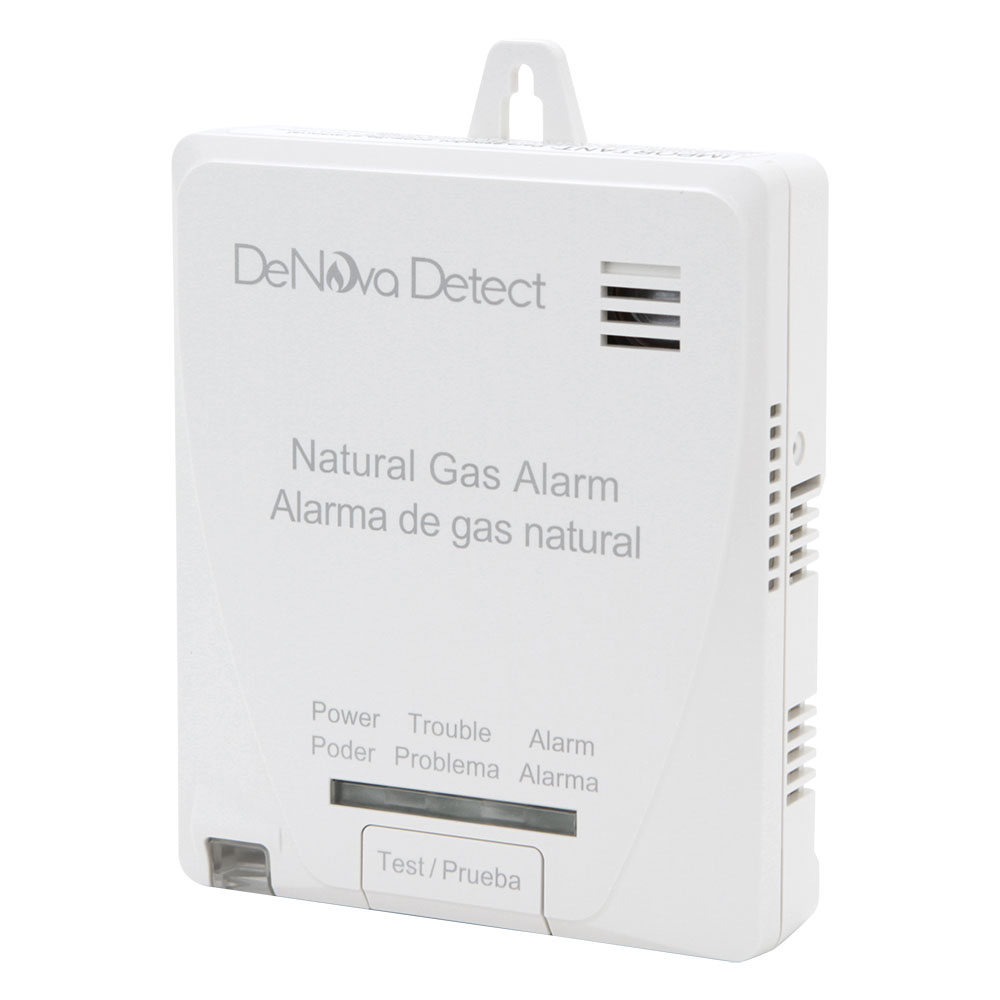
The installation of a methane detector (just like a smoke alarm and carbon monoxide alarm) makes a whole lot of sense given the risks. The most reliable solution for minimizing the risks associated with undetected natural gas is with a residential natural gas alarm. DeNova Detect Natural Gas Alarms use micro-electromechanical systems or MEMS. This allows for a more accurate and quicker response time when compared to traditional sensors used in other natural gas detectors. MEMS technology particularly shines by detecting low levels of natural gas a lot quicker when compared to other sensors. A DeNova Natural Gas Detector using a MEMS sensor features a 10% LEL level (lower explosive limit). Other natural gas alarms will usually detect at a 25% LEL. The result allows for a quicker response time for the fire department and an increased window of time to safely escape the surrounding area. The goal remains the same - saving lives and protecting property.
Related Products
Denova Detect Store Past News Articles
Browse the latest Denova Detect Store news, product updates, buying guides, safety tips, promotions, and store announcements.
Natural Gas Explosion in Athens, Greece: 6 Dead in Plaka Building Collapse
Granville, Vermont House Explosion: 2 Dead and 3 Injured in Propane Gas Blast
Bloomington House Explosion: 8 Hospitalized in McLean County Blast
U.S. Natural Gas Explosions & Residential Gas Incidents in July 2026
Illinois HB 3652 & July 2026 U.S. Natural Gas Explosions & Incidents
NYC Local Law 157 Guide: LL157 Requirements for Natural Gas Detectors
Home Gas Explosions: The Rising Danger Next Door
NYC LL157 Gas Detector Law: Local Law 157 Compliance Guide
Gas Leak Preceded San Antonio House Explosions
Deadly House Explosion in Wonder Lake
Des Plaines Natural Gas Explosion

San Antonio Gas Explosion: Councilman Whyte Demands Answers
Pennsylvania House Passes New Gas Alarm Law (HB 1522)
Will a Carbon Monoxide Alarm Detect Natural Gas and What Does a Gas Leak Smell Like?
Assembly Bill 1725: A New Era for Methane Safety in California (Why You Should Act Now)
The Centreville Natural Gas Explosion: A Stark Reminder of Infrastructure Vulnerability

Natural Gas Alarm Laws: What You Need to Know
Where Gas Incidents Are Rising, Why Certain Communities Face Greater Danger
Why You Should Buy Natural Gas Alarms: The DeNova Detect Safety Advantage

Superior Detection Speed Against Widespread Fuel Explosion Events
DeNova Detect Early Warning: Why 10% LEL Natural Gas Alarms Save Lives

DeNova Detect Can Save You up to 37% When Compared to Natural Gas Plug-in Alarms
State of Maine Introduces New Natural Gas Alarm Law: Is Your Home Safe?
How to Protect Your Family from This Explosive Household Hazard
DeNova Natural Gas Alarms: Why & How You Should Protect Your Home
DeNova Natural Gas Alarm Features & Installation Guide