
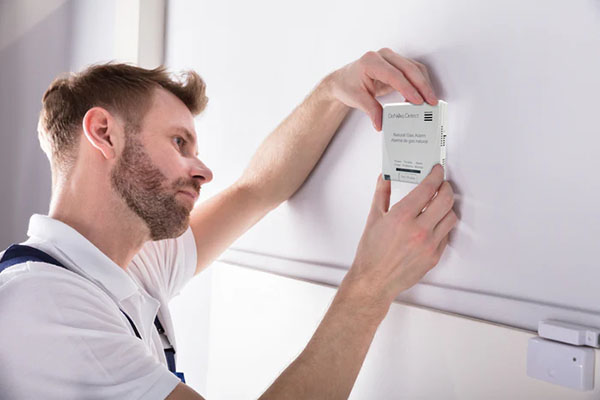
Guide to Natural Gas Alarm Safety
Learn how natural gas detectors work, where to install them, and how to protect your home from methane leaks with fast, reliable gas alarm safety guidance.
Related Topics:
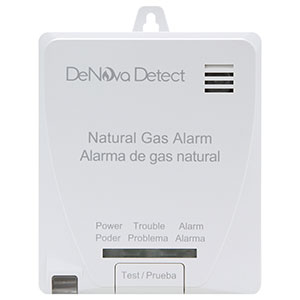
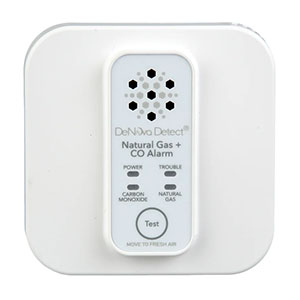
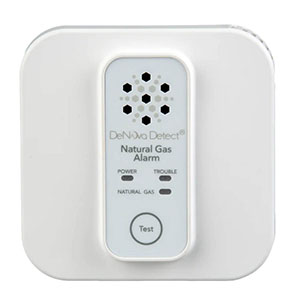
Find answers to common questions about DeNova Detect natural gas alarms, including installation guidelines, daily operation, and important home safety considerations. This FAQ section is designed to help you understand how your alarm works, where to place it, and what to do in the event of a natural gas leak.
DeNova Detect recommends installing a natural gas alarm in every room that contains a natural gas-fueled appliance, such as a stove, furnace, water heater, gas dryer, or fireplace. Larger or multi-level homes may require multiple alarms for adequate coverage.
Install the alarm on a wall within 12 inches of the ceiling and at least 3 feet, but no more than 10 feet, horizontally from natural gas-burning appliances. This placement allows the alarm to detect rising natural gas as early as possible.
Avoid placing the alarm in corners, dead-air spaces, behind furniture, near windows or vents, in bathrooms, garages, or outdoors. These locations may interfere with proper air flow or cause inaccurate readings.
Natural gas is lighter than air and rises rapidly. For your alarm to work correctly:
No. Carbon monoxide (CO) alarms are designed to detect carbon monoxide, not methane (natural gas). Homes with natural gas appliances need a dedicated natural gas alarm or a combination device that includes methane detection.
Carbon monoxide alarms detect CO, a toxic byproduct of incomplete combustion. Natural gas alarms detect methane leaks from fuel lines or appliances. They serve different safety purposes and use different sensor technologies.
The Lower Explosive Limit (LEL) is the lowest concentration of natural gas in air that can ignite. DeNova Detect alarms are designed to activate at 10% LEL to provide early warning before natural gas reaches dangerous levels.
The sealed battery is designed to last for the life of the alarm, approximately 10 years. The battery is not user-replaceable and is not sold in retail stores. If a battery issue occurs within the service life, contact DeNova Detect customer support.
No routine battery replacement is required. When the alarm reaches the end of its service life, the entire unit should be replaced.
Test the alarm regularly using the Test button. During testing, indicator LEDs and audible alerts will confirm proper operation. The Power LED may remain off during normal operation to conserve battery power.
A chirp approximately once per minute, along with a flashing Trouble LED and voice alert stating "Low Battery," indicates the battery is nearing end-of-life or a device issue. Refer to the owner's manual or contact customer support.
The "Power LED" indicates the device is powered and functioning properly. To check if the Natural Gas Alarm is on, press the Test button. The "Power LED" remains off during normal operation. Refer to the owner's manual for additional information.
The "Trouble LED" alerts you to a malfunction or issue, such as low battery or device fault, or that the alarm has reached end-of-service life. Refer to the owner's manual for additional information.
The "Alarm LED" flashes and sounds the audible alarm when natural gas is detected. Refer to the owner's manual for additional information.
The Power (green) LED will blink for approximately 30 seconds when the battery is first connected. The Natural Gas Alarm will "Beep", and the Power LED will turn off once this initialization period is completed. You can test your Natural Gas Alarm's power by pressing the test button until you hear a "Beep" sound, then release. If the Natural Gas Detector is properly powered, the Power LED will flash twice every second for 3 seconds to indicate that the power is on, and the Trouble and Natural Gas LEDs will remain on until the test sequence is complete. These LEDs will not remain on during normal operation of the Natural Gas Alarm to conserve battery power.
Evacuate the building immediately. Do not operate lights, electronics, or phones. Once safely outside, call 9-1-1 or your local gas utility to report the leak.
Using natural gas to test the alarm can be dangerous and may not trigger the alarm as expected. Always use the Test button and follow the manufacturer’s instructions.
Yes. DeNova Detect natural gas alarms are UL 1484 listed for residential gas detection and meet key criteria outlined in NFPA 715 for placement and performance.
No. Current residential models are designed for natural gas (methane) only. Propane-compatible alarms are under development.
Relying on smell alone is unreliable. Some people may not recognize the odor, and leaks that occur while sleeping may go unnoticed. A natural gas alarm provides continuous, automatic protection.
It is recommended that natural gas appliances and connections be inspected annually by a qualified professional to help prevent leaks and ensure safe operation.
Common sources of methane gas leaks include natural gas powered stoves, water heaters, furnaces, and fireplaces. Damaged or aging natural gas lines can also be a cause. Leaks often occur due to improper installation, worn or corroded components, loose fittings, or accidental damage to piping.
Browse support topics by category to find product help, setup guides, troubleshooting tips, and frequently asked questions.
Learn how natural gas detectors work, where to install them, and how to protect your home from methane leaks with fast, reliable gas alarm safety guidance.
Learn how to choose the best natural gas alarm for your home. Compare detector types, placement, sensor technology, and key safety features.
This guide provides a comprehensive overview of the latest residential safety mandates regarding natural gas detection and building compliance.
Find answers to common questions about DeNova Detect natural gas alarms, including installation, operation, battery life, and natural gas safety.
Learn what propane gas is, why propane leaks are dangerous, how propane gas alarms work, and where propane is commonly used in homes, RVs, grills, and heaters.
Get answers to common propane gas alarm questions including leak detection, placement, lifespan, and whether you need a propane detector in your home or RV.
Contact options may differ depending on the type of help you need.