
Guide to Natural Gas Alarm Safety
Learn how natural gas detectors work, where to install them, and how to protect your home from methane leaks with fast, reliable gas alarm safety guidance.
Related Topics:
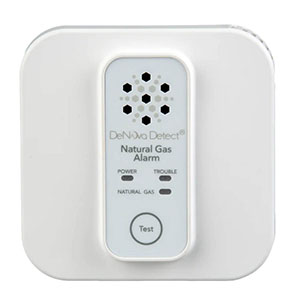
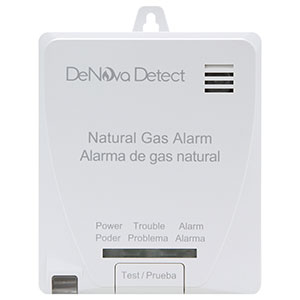
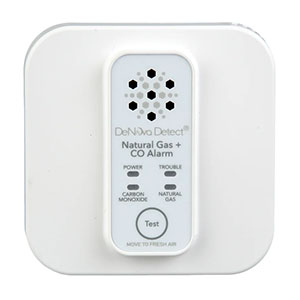

Natural gas alarms and carbon monoxide alarms may look similar, but they are designed to protect against two very different hazards. Understanding the difference is critical for choosing the right protection for your home and avoiding dangerous safety gaps.
While many homeowners assume a single device can handle all threats, a carbon monoxide (CO) detector and a natural gas alarm are built to detect completely different substances using different sensor technologies.
Since methane and carbon monoxide are chemically different, no standard CO alarm can detect natural gas, and no natural gas alarm can detect carbon monoxide unless it is specifically designed as a combination unit.
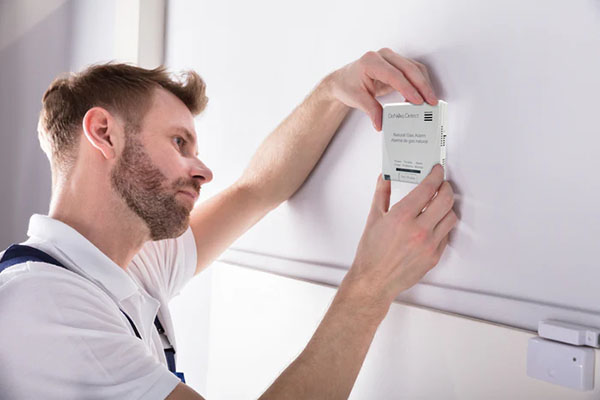
The way each gas behaves in the air directly affects where alarms must be installed. Natural gas rises and accumulates near the ceiling, which is why a natural gas detector should be mounted high on the wall, typically within 12 inches of the ceiling and near gas appliances.
Carbon monoxide mixes evenly with the air and does not rise or sink. For this reason, CO alarms are usually installed at eye level or near bedrooms so occupants can hear the alarm while sleeping.
Standard carbon monoxide alarms cannot detect natural gas, and relying on them alone leaves your home unprotected from natural gas leaks. To ensure full protection, homeowners can either install separate devices or choose a combination natural gas and carbon monoxide alarm designed to detect both hazards.
Using a specialized device like a DeNova Detect home natural gas detector ensures you are protected from explosive methane leaks, while a dedicated CO alarm protects against toxic poisoning. Together, they provide complete coverage for natural gas-related dangers in the home.
If your home uses natural gas appliances such as a stove, furnace, water heater, or fireplace, you should have a natural gas alarm installed near the ceiling in those areas. You should also have carbon monoxide alarms installed near sleeping areas and on each level of your home.
Having both types of alarms ensures early detection, proper evacuation time, and compliance with modern safety recommendations and regulations.
Natural gas alarms and carbon monoxide alarms are not interchangeable. Each detects a different threat and plays a unique role in home safety. Using a dedicated natural gas detector alongside carbon monoxide alarms is the only reliable way to protect your family from both toxic poisoning and potentially devastating gas explosions.
Explore related support articles and resources for this topic.
Learn how natural gas detectors work, where to install them, and how to protect your home from methane leaks with fast, reliable gas alarm safety guidance.
Contact options may differ depending on the type of help you need.