
Guide to Natural Gas Alarm Safety
Learn how natural gas detectors work, where to install them, and how to protect your home from methane leaks with fast, reliable gas alarm safety guidance.
Related Topics:
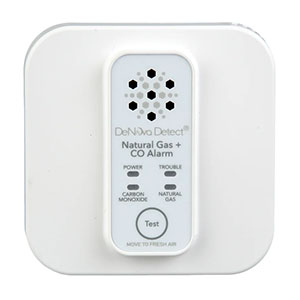
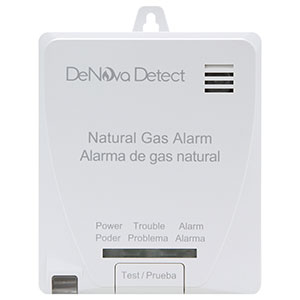
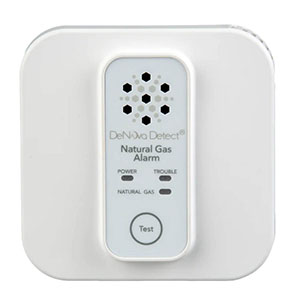

If your home uses natural gas, choosing the right detector is critical for protecting your family from dangerous leaks. Natural gas behaves differently than smoke or carbon monoxide, which means it requires a dedicated detection solution designed specifically for methane.
To stay safe, you need a natural gas alarm specifically designed to detect methane. Standard smoke alarms and carbon monoxide (CO) detectors cannot sense natural gas and will not alert you to a leak. Natural gas detectors use specialized sensors that monitor for unburned methane before it reaches an explosive concentration.
For the best protection, modern natural gas alarms such as those offered by DeNova Detect utilize a 10% Lower Explosive Limit (LEL> threshold. This provides a significantly faster warning than traditional detectors that wait until gas levels are much higher, giving you more time to evacuate and call emergency services.
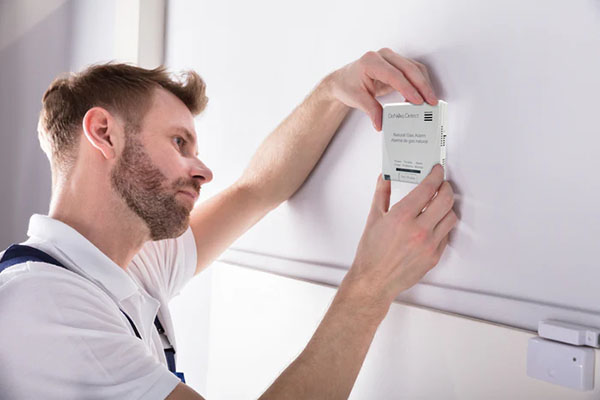
Natural gas is lighter than air, which means it rises quickly and accumulates near the ceiling. Because of this, a natural gas detector for home use should be installed high on the wall, within 12 inches of the ceiling, and near gas-powered appliances such as stoves, furnaces, water heaters, or boilers.
Installing a detector too low such as at an outlet near the floor can delay detection until gas has already filled the room. Proper placement ensures the alarm detects rising gas early, when evacuation is safest.
It is vital to understand that a carbon monoxide (CO) detector and a natural gas alarm serve two entirely different safety functions.
Since standard CO detectors cannot detect methane, and smoke alarms are designed only for fire particulates, relying on them alone leaves a critical safety gap. A dedicated natural gas detector is the only reliable way to monitor for gas leaks around the clock.
When choosing a natural gas detector, look for these key features:
If your home uses natural gas, you should have a dedicated natural gas detector installed near the ceiling in areas where natural gas appliances are present. While smoke and carbon monoxide alarms are essential, they do not replace a natural gas alarm.
Using a specialized detector such as a DeNova Detect home natural gas detector ensures continuous protection against explosive methane leaks and provides the early warning needed to evacuate safely and contact emergency services.
Explore related support articles and resources for this topic.
Learn how natural gas detectors work, where to install them, and how to protect your home from methane leaks with fast, reliable gas alarm safety guidance.
Contact options may differ depending on the type of help you need.