Product Support & Resources

Featured Products

Natural Gas Alarm Buying Guide

Choosing the right natural gas alarm for your home or rental property is one of the most important safety decisions you can make. This guide explains everything you need to know - how natural gas detectors work, what features matter most, where to install them, and which options are best for your situation.


Why You Need a Dedicated Natural Gas Alarm

Natural gas, primarily methane, is highly flammable and rises quickly toward the ceiling. Small leaks can accumulate unnoticed and become explosive when mixed with air. Smoke alarms and carbon monoxide detectors do not detect natural gas. A dedicated natural gas alarm provides continuous, 24/7 monitoring to alert you before gas reaches dangerous levels.

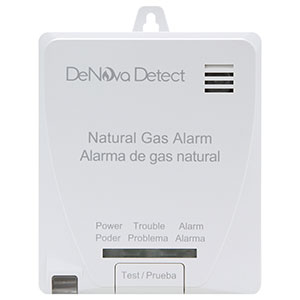
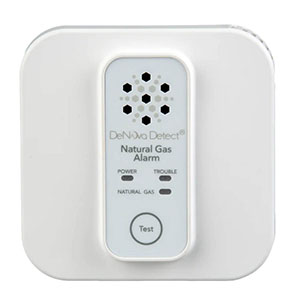
DeNova Detect natural gas alarms are engineered for early detection and rapid alerts, giving you critical extra time to evacuate safely and call emergency services.


1. What Gas Does the Alarm Detect?

A natural gas alarm must be specifically designed to detect methane (CH4), the main component of natural gas supplied to homes. Carbon monoxide (CO) is a completely different hazard that requires a different sensor type and cannot be detected by a methane sensor.

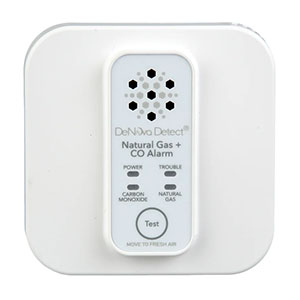
If you want protection against both hazards with one device, look for a combination natural gas + carbon monoxide detector that includes both methane and CO sensors.

2. How Fast Will the Alarm Detect Gas?

Not all gas alarms detect leaks at the same level. The key measurement is the alarm's response threshold, often expressed as a percentage of the Lower Explosive Limit (LEL). A lower trigger level means earlier detection and more time to react.

DeNova Detect alarms use advanced sensors that trigger at 10% LEL, which is significantly faster than many older units that may wait until 25% or higher. This earlier warning can mean minutes of crucial extra time to evacuate.

3. Power Source & Placement (Battery vs Plug-In)

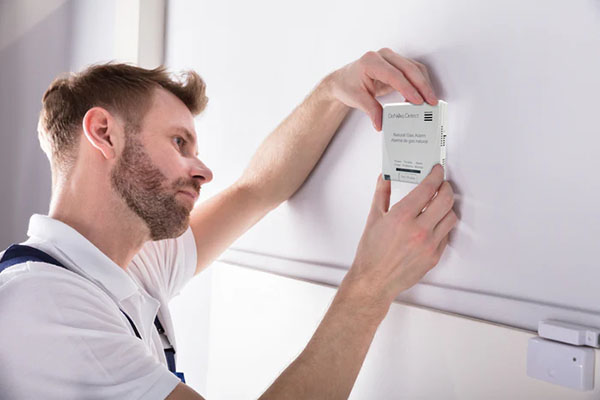
Placement is vitally important for natural gas detection because methane rises toward the ceiling. A detector that must plug into a wall outlet is often too low to sense gas early. The ideal detector is 100% battery powered, allowing you to mount it high on the wall near the ceiling where gas accumulates first.

DeNova Detect alarms are equipped with a sealed 10-year battery, eliminating the need for outlet placement and removing the hassle of annual battery changes.

4. Sensor Technology Matters

Traditional natural gas detectors often use catalytic bead sensors that rely on tiny combustion reactions to measure gas. These sensors work, but they react more slowly and can be impacted by humidity, contaminants, and age.

DeNova Detect utilizes modern MEMS (Micro-Electro-Mechanical Systems) sensor technology. This approach pulls methane molecules onto a precision silicon chip that triggers an electrical signal even at low concentrations. The result is faster, more accurate detection with fewer false alarms.

5. Alerts You Can Rely On

Not all alarms sound the same. Some only beep, leaving you wondering what went wrong. DeNova Detect alarms include clear, bilingual voice alerts that tell you what is happening and what action to take - for example, "Danger, gas leak - explosion risk. Evacuate then call 9-1-1."

Visual indicators (LEDs) also help identify alarm states quickly.

6. Battery Life & Maintenance

A sealed 10-year battery means you won't deal with annoying low-battery chirps or forget to replace batteries. DeNova Detect's maintenance-free design provides peace of mind for the life of the alarm.

7. Where and How Many Alarms Do You Need?

Natural gas alarms should be installed high on the wall, within 12 inches of the ceiling, 3–10 feet from gas appliances and in an open area where airflow is not blocked by curtains, fans, or fixtures. Consider placing detectors in the following rooms:

  • Kitchen - near gas stoves, ovens, or cooktops.
  • Laundry Room - if you have a gas clothes dryer.
  • Basement or Utility Room - near furnaces, boilers, or gas water heaters.
  • Near Fireplaces - if the fireplace uses gas logs or a gas starter.
  • Bedrooms - if bedroom doors are closed while sleeping or if gas lines run nearby.

For multi-level homes, at least one detector per level is recommended, especially where gas appliances are present.

8. Safety Standards & Compliance

Look for alarms that meet or exceed recognized safety standards (e.g., UL 1484, UL 2075) and guidelines like NFPA 715. Compliant alarms have been tested rigorously to ensure reliable detection and operation.

In some regions and building codes (such as the Illinois Fuel Gas Alarm Act), natural gas alarms are now required in residential properties - making compliant detectors even more important.

9. Standalone vs Interconnected Options

Standalone detectors provide independent coverage in a single area. Interconnected systems link multiple alarms so that if one detects gas, all alarms sound. Interconnection can be hardwired or wireless, depending on your home's infrastructure.

10. Which Alarm Is Right for You?

If you want reliable, early detection without wiring limitations, a sealed battery natural gas alarm with a low 10% LEL trigger and MEMS sensor is the best choice for home use. DeNova Detect natural gas alarms meet these criteria and provide advanced alerts, maintenance-free operation, and professional-grade performance.


The Bottom Line

Choosing the right natural gas alarm involves understanding how the device works, where it should be placed, and what features provide the fastest and most reliable protection. A high-quality alarm like DeNova Detect helps ensure your home and loved ones have early warning against dangerous gas leaks.

Related Products

View All Support Topics

Natural Gas Alarm FAQs

Find answers to common questions about DeNova Detect natural gas alarms, including installation, operation, battery life, and gas safety.

Haven't found the answer? We can help.

Contact Us

Contact options may differ depending on the type of help you need.

0 $0.00
Top