
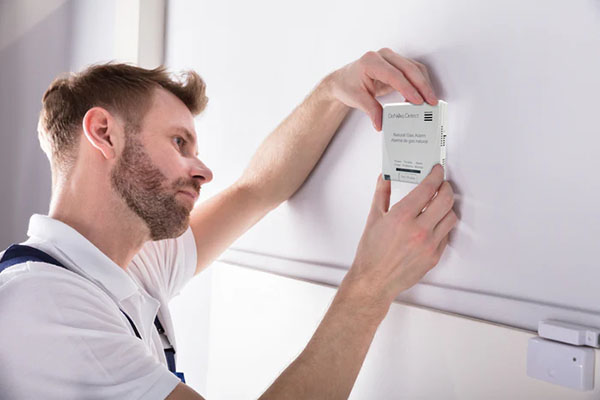
Guide to Natural Gas Alarm Safety
Learn how natural gas detectors work, where to install them, and how to protect your home from methane leaks with fast, reliable gas alarm safety guidance.
Related Topics:
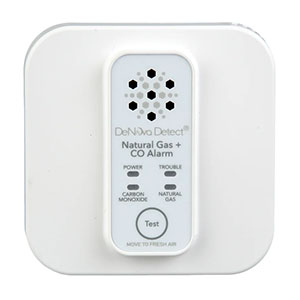
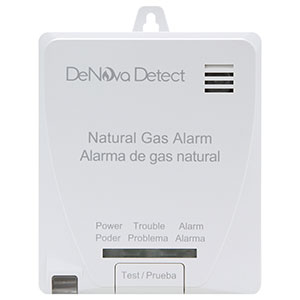
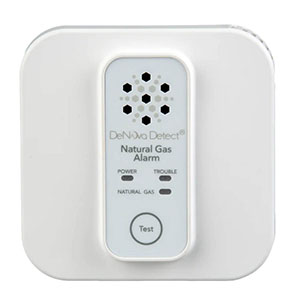
Yes. If your home uses natural gas, having a dedicated natural gas detector is an important part of protecting your family from dangerous natural gas leaks and potential explosions.
Odor Fade can strip the 'rotten egg' smell from natural gas as it passes through soil or concrete, making leaks impossible to smell.
You cannot smell gas while you are asleep. An alarm with an 85 dB voice alert is the only way to ensure you wake up in time to evacuate.
DeNova Detect triggers at 10% LEL, alerting you up to 11 minutes faster than traditional detectors, giving you more time to get out.
You should have a methane gas alarm in your home if you use any natural gas-fueled appliances such as a stove, furnace, boiler, water heater, dryer, or fireplace. These appliances rely on natural gas connections that can leak over time due to aging components, loose fittings, or accidental damage.
Even newer homes and appliances are not immune to leaks, which is why natural gas detection is recommended as a continuous safety measure rather than a one-time inspection step.
Many homeowners rely on the “rotten egg” smell added to natural gas as their primary warning sign. While this odorant (mercaptan) can help identify leaks, it is not always reliable.
The smell can fade over time, be masked by other household odors, or go unnoticed while you are sleeping. In some situations, occupants may not recognize the odor quickly enough to react safely.
A dedicated natural gas detector for home safety provides 24/7 monitoring and alerts you before natural gas reaches an explosive concentration, even when you cannot smell it.
A natural gas alarm continuously monitors the air for methane, which is highly flammable and lighter than air. When natural gas is detected at a dangerous level, the alarm provides an immediate warning so occupants can evacuate and contact emergency services.
Early detection is critical because it reduces the risk of ignition from common household sources such as electrical switches, appliances, or open flames.
If you answer "Yes" to any of the following, a natural gas alarm is a safety essential:
Safety standards and building codes are rapidly evolving to address the risks of natural gas leaks. For example, the Illinois Fuel Gas Alarm Act now requires many residential buildings to install natural gas alarms.
Similar regulations are being adopted in other areas, especially for rental properties and multi-unit housing. Installing a natural gas detector helps ensure compliance with current requirements and prepares your home for future safety standards.
Not all natural gas detectors offer the same level of protection. Modern devices, such as those available from DeNova Detect Store, use advanced sensor technology to detect leaks earlier than traditional models.
These sensors can identify natural gas up to 11 minutes faster than older detectors, providing valuable extra time to evacuate safely and avoid a potentially catastrophic event.
| Alarm Type | Detects Natural Gas? | Best Placement |
|---|---|---|
| Smoke Detector | ❌ NO | Ceiling |
| CO Detector | ❌ NO | Eye-level / Low |
| Natural Gas Alarm | ✅ YES | Ceiling (within 12 in.) |
Explore related support articles and resources for this topic.
Learn how natural gas detectors work, where to install them, and how to protect your home from methane leaks with fast, reliable gas alarm safety guidance.
Contact options may differ depending on the type of help you need.