
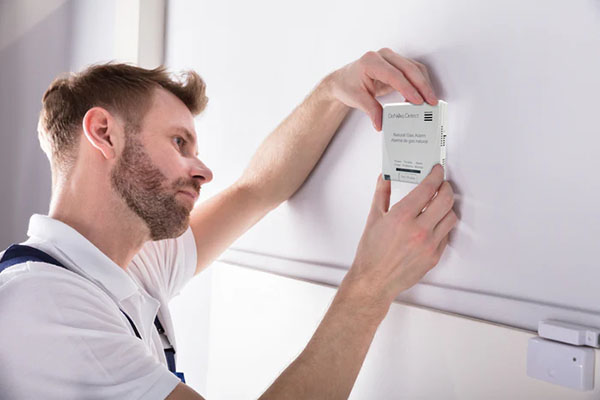
Natural Gas Alarm Buying Guide
Learn how to choose the best natural gas alarm for your home. Compare detector types, placement, sensor technology, and key safety features.
Related Topics:
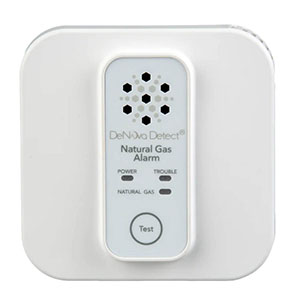
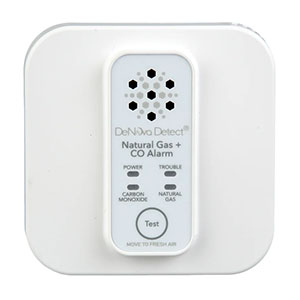
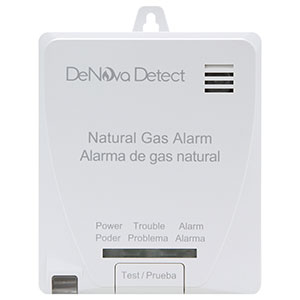
Natural gas safety in apartments and rental properties is a shared responsibility between landlords and tenants. Since multi-unit buildings often rely on shared walls and complex gas piping systems, a leak in one unit can quickly create a dangerous situation for others.
Unlike single-family homes, apartments and rentals typically have natural gas lines that run through multiple units. This means a natural gas leak may not originate in your apartment, yet still pose an immediate risk. Early detection is critical to prevent explosions, fires, and the displacement of oxygen caused by leaking methane.
Installing dedicated natural gas alarms helps ensure leaks are detected quickly, even when occupants are sleeping or away from home.
In most jurisdictions, landlords are responsible for providing a safe living environment. This includes ensuring natural gas-fueled appliances such as stoves, furnaces, boilers, and water heaters are properly installed and maintained.
Many states and municipalities now require property owners to install natural gas alarms in rental units, similar to existing smoke and carbon monoxide alarm laws. Tenants, in turn, are responsible for not disabling alarms and for reporting suspected natural gas issues promptly.
NFPA 715 is the national safety standard developed by the National Fire Protection Association (NFPA) that defines best practices for mthane gas detection equipment. It was created to address the unique risks of natural gas (methane) and propane in residential buildings.
According to NFPA 715 guidelines, methane gas alarms should be installed in every room containing a natural gas-burning appliance and mounted within 12 inches of the ceiling. This placement is critical because natural gas is lighter than air and rises rapidly.
For proper coverage in apartments and rental homes, natural gas detectors should be installed in areas where leaks are most likely to occur.
Each alarm should be mounted high on the wall, within 12 inches of the ceiling, and positioned at a safe distance from the appliance to reduce nuisance alarms.
Battery-powered natural gas alarms are often the best option for apartments and rentals. Since they do not rely on electrical outlets or hardwiring, they allow for proper high-wall placement and simple installation without structural modifications.
Modern battery-powered alarms with sealed 10-year batteries provide continuous protection, even during power outages, and reduce ongoing maintenance for both landlords and tenants.
If a natural gas alarm activates, occupants should immediately evacuate the unit, avoid using electrical switches or open flames, and contact emergency services or the natural gas utility provider. Tenants should also notify property management as soon as it is safe to do so.
Natural gas safety in apartments and rentals requires proactive planning, proper equipment, and compliance with evolving safety standards. Installing dedicated natural gas alarms in accordance with NFPA 715 helps protect tenants, property owners, and neighboring units from serious hazards.
For rental properties, a reliable natural gas detector provides peace of mind, regulatory alignment, and early warning that can prevent costly damage and life-threatening emergencies.
Explore related support articles and resources for this topic.
Learn how to choose the best natural gas alarm for your home. Compare detector types, placement, sensor technology, and key safety features.
Contact options may differ depending on the type of help you need.