
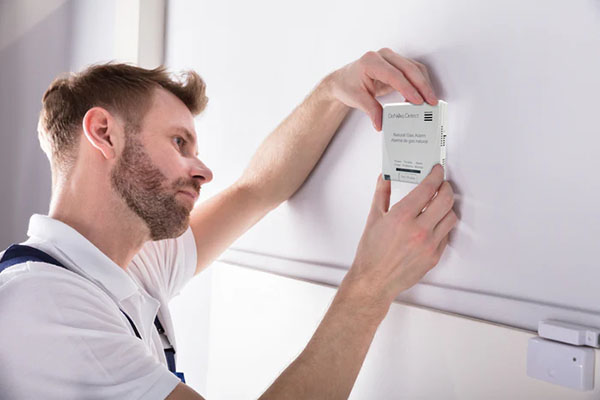
Guide to Natural Gas Alarm Safety
Learn how natural gas detectors work, where to install them, and how to protect your home from methane leaks with fast, reliable gas alarm safety guidance.
Learn which detector you need for natural gas, how it works, where to install it, and why methane requires a dedicated natural gas alarm for home safety.
Learn the difference between natural gas alarms and carbon monoxide detectors, how each works, and why homes need both for complete safety.
Find out whether carbon monoxide alarms detect natural gas, why they don’t, and what type of detector you need for complete home safety.
Find out if you need a natural gas detector, why smelling natural gas isn’t reliable, and how early detection helps protect your home from leaks.
Explore the hidden dangers of natural gas, from 'Odor Fade' to methane ceiling stratification. Learn why 10% LEL detection is the only reliable defense against leaks.
Learn how natural gas detectors sense methane, the difference between traditional and MEMS sensors, and why early detection is critical for home safety.
Learn how to choose the best natural gas alarm for your home. Compare detector types, placement, sensor technology, and key safety features.
Learn how to keep your home safe from natural gas leaks with proper detection, alarm placement, and preventative maintenance tips.
Compare hardwired vs. battery-powered natural gas alarms through the lens of methane physics.
Compare battery-powered and plug-in natural gas alarms. Learn which offers better placement, faster detection, and reliable protection during outages.
Learn how to keep apartments and rentals safe from natural gas leaks, including alarm placement, tenant responsibilities, and NFPA 715 guidance.
Learn how landlords and property managers can reduce risk from natural gas leaks with proper alarm placement, detection standards, and best practices.
This guide provides a comprehensive overview of the latest residential safety mandates regarding natural gas detection and building compliance.
Residential property managers in New York City must ensure full compliance with Local Law 157 by installing UL 1484 certified natural gas alarms to enhance tenant safety, mitigate legal liability, and avoid costly Department of Buildings violations.
Find answers to common questions about DeNova Detect natural gas alarms, including installation, operation, battery life, and natural gas safety.
Learn what propane gas is, why propane leaks are dangerous, how propane gas alarms work, and where propane is commonly used in homes, RVs, grills, and heaters.
Learn where to install propane gas alarms, where not to place them, distance tips from appliances, floor-level placement guidance, and RV propane detector locations.
Learn the differences between propane, natural gas, and carbon monoxide, including how they behave, the risks they pose, and which alarms help detect each hazard.
Learn how to choose the right propane gas detector for your home, RV, cabin, or business, including key features, placement needs, power options, and safety considerations.
Get answers to common propane gas alarm questions including leak detection, placement, lifespan, and whether you need a propane detector in your home or RV.
Contact options may differ depending on the type of help you need.