
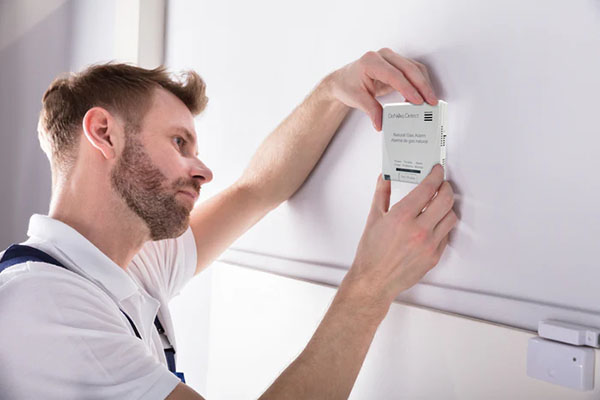
Guide to Propane Gas Alarm Safety
Learn what propane gas is, why propane leaks are dangerous, how propane gas alarms work, and where propane is commonly used in homes, RVs, grills, and heaters.
Related Topics:
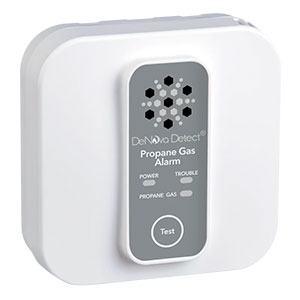
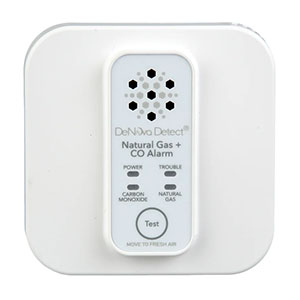
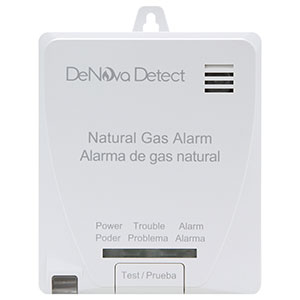
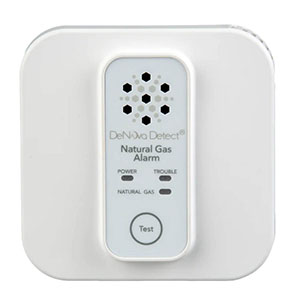
Propane, natural gas, and carbon monoxide are often discussed together, but they are very different hazards. Propane and natural gas are fuel gases that can create fire and explosion risks if they leak and build up indoors. Carbon monoxide is a toxic gas produced by incomplete combustion and can be dangerous even when there is no fuel leak. Understanding the differences can help you choose the right safety alarms for your home, RV, cabin, or business.
This guide explains how propane, natural gas, and carbon monoxide differ, how each behaves in the air, what risks they create, and why the right detector matters. If you use fuel-burning appliances, it is important to understand that one type of alarm may not protect against every gas hazard.
Many homeowners know they need gas safety protection, but they may not realize that fuel gas leaks and carbon monoxide exposure are not the same problem. Propane and natural gas are used as fuel sources. Carbon monoxide is a byproduct that can be created when fuel does not burn completely. These hazards can occur in the same home or around the same appliances. Someone may assume one alarm covers all three risks when that is not always the case.
Propane is a flammable fuel gas commonly stored in pressurized tanks or cylinders. It is often used in homes, RVs, cabins, garages, workshops, grills, patio heaters, and other areas where a portable or off-grid fuel source is needed. Propane is heavier than air, so if it leaks indoors, it tends to sink and collect in lower areas.
Natural gas is another flammable fuel gas commonly supplied through utility pipelines. It is used in many homes and businesses for furnaces, water heaters, boilers, fireplaces, stoves, and dryers. Unlike propane, natural gas is lighter than air, so it usually rises and may collect closer to the ceiling or upper parts of a room if it leaks indoors.
Carbon monoxide, often called CO, is a toxic gas that can be produced when propane, natural gas, wood, oil, gasoline, kerosene, or other fuels do not burn completely. It is not the same as a propane leak or a natural gas leak. Carbon monoxide exposure can happen even when there is no fuel odor and no obvious gas leak.
Carbon monoxide is dangerous to breathe. This makes CO alarms an important part of a home safety plan. Detectors should be placed anywhere fuel-burning appliances, fireplaces, attached garages, or backup generators are present.
Propane and natural gas are both fuel gases, but they behave differently in the air and are often used in different ways. This matters because detector placement and product selection may change depending on which gas is present.
These differences are important when selecting a detector. A detector intended for one fuel gas may not be appropriate for the other unless the product specifically says it can detect both.
Propane and carbon monoxide are completely different hazards. Propane is an unburned fuel gas. Carbon monoxide is a toxic combustion byproduct. A propane leak creates a fire and explosion hazard. Carbon monoxide exposure creates a poisoning hazard. Since the risks are different, detection methods are different too.
Natural gas and carbon monoxide are also different hazards. A natural gas leak means unburned fuel gas is escaping into the air. Carbon monoxide is produced when natural gas or another fuel burns improperly. A home with natural gas appliances may need protection against both natural gas leaks and carbon monoxide exposure.
In many cases, yes. A carbon monoxide alarm is designed to detect carbon monoxide, not propane. A propane gas alarm is designed to detect propane, not necessarily natural gas or carbon monoxide. A natural gas detector is designed for natural gas, not necessarily propane or CO. Some combination alarms may cover more than one hazard, but you should always verify exactly which gases the product is designed to detect.
Do not assume a smoke alarm, propane alarm, natural gas detector, or carbon monoxide alarm will automatically detect the others unless the product specifications clearly state that it does.
Placement can vary because propane and natural gas behave differently in the air. Propane tends to collect in lower areas, while natural gas tends to rise. Carbon monoxide alarm placement follows its own product instructions and building safety recommendations. Using the wrong detector or placing it in the wrong location can reduce effectiveness.
The right setup depends on which fuels and appliances you use. A propane heated cabin may need propane detection and carbon monoxide protection. A home with natural gas service may need natural gas leak detection and carbon monoxide alarms. An RV may need propane detection, smoke alarms, and carbon monoxide protection as part of a layered safety plan.
Propane, natural gas, and carbon monoxide should not be treated as the same hazard. Propane and natural gas are flammable fuel gases, but they behave differently because propane is heavier than air and natural gas is lighter than air. Carbon monoxide is a toxic combustion byproduct that requires its own type of detection. Choosing alarms designed for the hazards in your space can help create a safer and more complete protection plan.
Explore related support articles and resources for this topic.
Learn what propane gas is, why propane leaks are dangerous, how propane gas alarms work, and where propane is commonly used in homes, RVs, grills, and heaters.
Contact options may differ depending on the type of help you need.