Guide to Natural Gas Alarm Safety
Learn how natural gas detectors work, where to install them, and how to protect your home from methane leaks with fast, reliable gas alarm safety guidance.
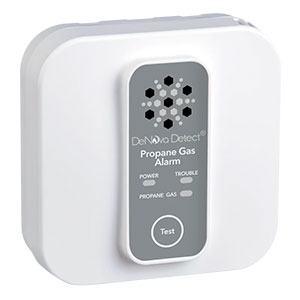
Proper installation and placement are important for getting the best performance from a propane gas alarm. Because propane is heavier than air, it tends to sink and collect in lower areas rather than rise toward the ceiling. That makes propane detector placement different from some other types of gas and smoke alarms.
This guide explains where to install propane detectors, where not to place them, how far they should be from propane appliances, floor-level placement tips, and special considerations for RVs and campers. Always follow the manufacturer’s instructions for your specific alarm, since exact mounting height and placement requirements can vary by model.
Propane can accumulate near the floor, in low corners, around base cabinets, near utility areas, or in other low-lying spaces if a leak occurs. A propane gas alarm should be placed where it can detect leaking gas early while avoiding locations that may interfere with normal operation or cause nuisance alarms.
Good placement helps improve response time and reliability. Poor placement can delay detection, reduce effectiveness, or expose the detector to dust, moisture, grease, drafts, or temperature extremes that may affect performance.
Install propane gas alarms in rooms or areas where propane appliances, tanks, or connected fuel systems are present, following the instructions for the detector you are using. In general, propane alarms are commonly placed lower on a wall or in another approved low location because propane is heavier than air.
Because propane is heavier than air, propane gas alarms are often installed closer to the floor than natural gas detectors. This lower placement helps the detector respond to propane as it settles downward. However, exact placement depends on the specific product and room conditions, so the manufacturer’s directions should always take priority.
Low wall placement is often preferred when permitted, because it keeps the detector in the gas collection zone while reducing the chance of damage from cleaning, foot traffic, or stored items.
A propane detector should usually be close enough to provide early warning, but not so close that normal appliance operation, brief startup emissions, heat, steam, or air movement interfere with the alarm. The correct distance depends on the appliance type and the detector’s instructions.
If the detector is too close to the appliance, nuisance alarms may be more likely. If it is too far away, leak detection may be delayed. A balanced location within the same room or nearby protected area is often the best approach, provided it matches the alarm’s installation instructions.
Some locations can reduce detector performance or trigger false alarms. Avoid areas with excessive moisture, dirt, drafts, or temperature swings, as well as places where the detector may be blocked or physically damaged.
RVs, campers, and travel trailers often use propane for stoves, ovens, furnaces, refrigerators, and water heaters. Because these spaces are compact and enclosed, proper propane detector placement is especially important. Many RV propane alarms are installed low to the floor to help detect propane where it is most likely to collect.
Because RV layouts vary, some owners may need more than one alarm or a combined safety setup that includes propane, smoke, and carbon monoxide detection. Always use devices approved for the vehicle or living space where they will be installed.
If propane is used in more than one area of the property, a single detector may not provide enough coverage. Larger homes, detached garages, workshops, cabins, and multi-level properties may benefit from multiple propane alarms installed in key locations.
Once your propane alarm is installed, ongoing testing and maintenance are important. A well-placed detector still needs regular attention to remain dependable over time.
The best place to install a propane gas alarm depends on the detector design, the room layout, and the propane appliances in use. As a general rule, propane detectors should be positioned low enough to detect propane where it may collect, while staying away from drafts, moisture, heat, and obstructions. For the best protection, always follow the manufacturer’s placement instructions for your specific alarm model.
Learn how natural gas detectors work, where to install them, and how to protect your home from methane leaks with fast, reliable gas alarm safety guidance.
Learn which detector you need for natural gas, how it works, where to install it, and why methane requires a dedicated natural gas alarm for home safety.
Learn the difference between natural gas alarms and carbon monoxide detectors, how each works, and why homes need both for complete safety.
Find out whether carbon monoxide alarms detect natural gas, why they don’t, and what type of detector you need for complete home safety.
Find out if you need a natural gas detector, why smelling natural gas isn’t reliable, and how early detection helps protect your home from leaks.
Learn the dangers of natural gas leaks, including explosion and oxygen displacement, warning signs to watch for, and how natural gas detectors protect your home.
Learn how natural gas detectors sense methane, the difference between traditional and MEMS sensors, and why early detection is critical for home safety.
Learn how to choose the best natural gas alarm for your home. Compare detector types, placement, sensor technology, and key safety features.
Learn how to keep your home safe from natural gas leaks with proper detection, alarm placement, and preventative maintenance tips.
Compare battery-powered and hardwired natural gas alarms. Learn which option offers better placement, reliability, and faster natural gas leak detection.
Compare battery-powered and plug-in natural gas alarms. Learn which offers better placement, faster detection, and reliable protection during outages.
Learn how to keep apartments and rentals safe from natural gas leaks, including alarm placement, tenant responsibilities, and NFPA 715 guidance.
Learn how landlords and property managers can reduce risk from natural gas leaks with proper alarm placement, detection standards, and best practices.
Find answers to common questions about DeNova Detect natural gas alarms, including installation, operation, battery life, and natural gas safety.
Learn what propane gas is, why propane leaks are dangerous, how propane gas alarms work, and where propane is commonly used in homes, RVs, grills, and heaters.
Learn where to install propane gas alarms, where not to place them, distance tips from appliances, floor-level placement guidance, and RV propane detector locations.
Learn the differences between propane, natural gas, and carbon monoxide, including how they behave, the risks they pose, and which alarms help detect each hazard.
Learn how to choose the right propane gas detector for your home, RV, cabin, or business, including key features, placement needs, power options, and safety considerations.
Get answers to common propane gas alarm questions including leak detection, placement, lifespan, and whether you need a propane detector in your home or RV.
Contact options may differ depending on the type of help you need.