

Natural Gas Alarm State Legislation
This guide provides a comprehensive overview of the latest residential safety mandates regarding natural gas detection and building compliance.
Related Topics:
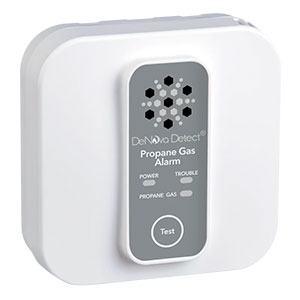
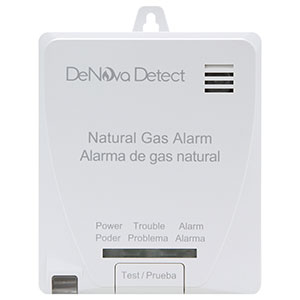
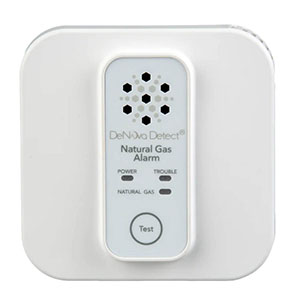
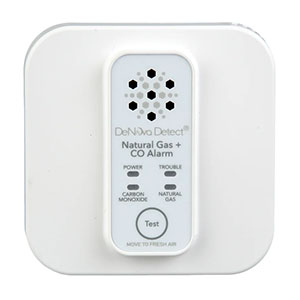
This section examines the current legislative landscape, highlighting the mandatory transition to specialized methane detection systems and the rigorous technical standards now required for compliance. By understanding these latest regulatory updates, including adjusted installation deadlines and specific placement protocols, owners can effectively safeguard their residents while insulating their portfolios from legal and financial risks. Staying ahead of shifting residential safety standards remains a top priority for property managers as the industry moves toward a new era of proactive leak prevention.
Local Law 157 is a critical safety measure enacted by New York City to address the invisible threat of natural gas leaks in residential settings. Unlike standard smoke or carbon monoxide detectors, the devices required by this law are specifically calibrated to detect methane. This is the primary and highly combustible component of natural gas that must be identified before it reaches explosive concentrations. The mandate applies broadly across the city, covering Class A multiple dwellings such as apartments and condos, Class B multiple dwellings like hotels, and even one and two family homes. By requiring these alarms to be installed in any room containing a gas-fired appliance, the city aims to provide residents with an early warning system that allows for safe evacuation and professional intervention before a minor leak becomes a catastrophic event.
While the law was originally passed years ago, the specific timeline for enforcement has been adjusted to account for the availability of approved technology. Currently, the mandatory installation deadline for property owners is January 1, 2027, following an extension granted to allow for adequate supply chain development. To meet legal standards, all installed devices must be listed and labeled in accordance with UL 1484 and placed within 12 inches of the ceiling where rising natural gas typically accumulates. Management can opt for hardwired, plug-in, or long-life battery-powered units, provided they meet the National Fire Protection Association (NFPA) 715 standards. As we approach the July 2026 check-in, where the Department of Buildings will assess if there are enough manufacturers to meet city-wide demand, property managers are encouraged to begin procurement early to avoid potential shortages and ensure their buildings are fully protected by the 2027 cutoff.
Property managers can mitigate legal risks and enhance building safety by implementing comprehensive natural gas leak protocols and ensuring all residential units meet the latest technical installation requirements for methane detection.
Explore related support articles and resources for this topic.
This guide provides a comprehensive overview of the latest residential safety mandates regarding natural gas detection and building compliance.
Contact options may differ depending on the type of help you need.