
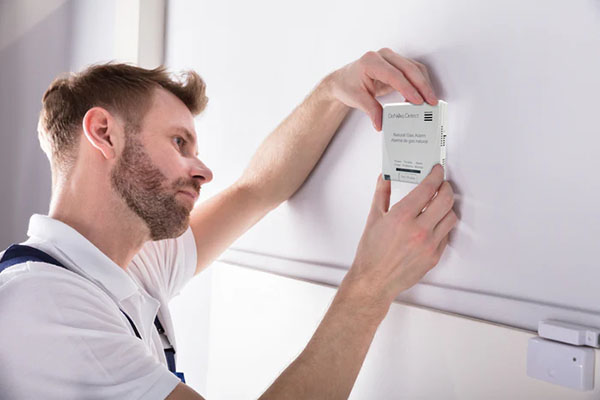
Natural Gas Alarm State Legislation
This guide provides a comprehensive overview of the latest residential safety mandates regarding natural gas detection and building compliance.
Related Topics:
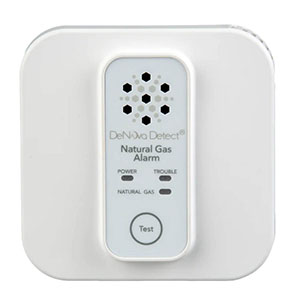
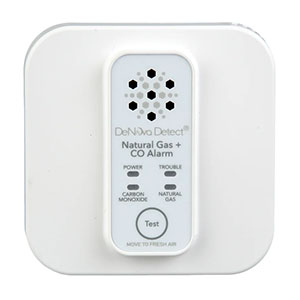
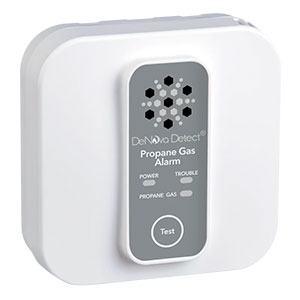
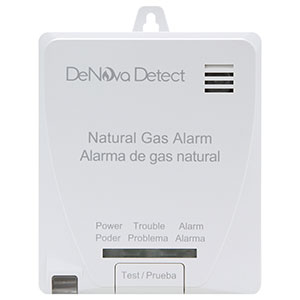
One of the most critical regulatory shifts in recent years is the full implementation of Local Law 157 (LL157). While it might seem like just another line item in a long list of mandates, this law is a life-saving regulation centered on the early detection of natural gas. For property managers and owners, compliance isn't just about avoiding hefty fines; it’s about preventing catastrophic incidents and ensuring the structural and physical safety of their communities.
Local Law 157 was passed in response to tragic gas explosions in East Harlem and the East Village that highlighted a gap in residential safety standards. Before this law, while smoke and carbon monoxide detectors were mandatory, there was no uniform requirement for detecting methane leaks before they reached combustible levels. The law primarily targets buildings classified under Occupancy Groups R-1, R-2, and R-3. This broad scope includes hotels and transient housing, apartment buildings and cooperatives with three or more units, and even one and two family homes. To meet these standards, the core requirement is that every dwelling unit must be equipped with LL157 gas detectors capable of alerting residents to a natural gas leak long before a spark can cause an explosion.
Compliance requires more than just purchasing a basic sensor; the Department of Buildings (DOB) and the NFPA have established very specific technical standards. Alarms must be listed and labeled in accordance with UL 1484, which ensures they are calibrated specifically for natural gas rather than other gasses. Regarding power sources, management has flexibility: devices can be hardwired into the building’s electrical system, plugged into a constant power outlet, or powered by a long-life, non-replaceable battery typically rated for ten years.
The physical placement of these devices is dictated by the science of the gas itself. Since natural gas is lighter than air, it rises rapidly toward the ceiling. LL157 requires that alarms be installed on the ceiling or on a wall within 12 inches of the ceiling. The law dictates that an alarm must be present in any room containing a gas-fired appliance, such as a stove or oven. However, best practices suggest placing them near sleeping areas to ensure residents are alerted even if a leak occurs while they are asleep, while maintaining at least a three-foot distance from cooking appliances to prevent nuisance alarms from minor, non-hazardous fluctuations.
For a residential manager, the "set it and forget it" mentality is a significant legal liability. True compliance involves a continuous lifecycle of documentation and upkeep. Property managers must ensure that all units are outfitted with compliant devices according to the latest DOB-stipulated deadlines. To protect the building from litigation and DOB violations, management should maintain a rigorous Compliance Log. This log should include the date of installation for each unit, the specific model number, and the expiration date of the device. It is also highly recommended to keep signed "Notice of Installation" forms from tenants to prove the building fulfilled its duty.
Tenant education is an equally vital component of LL157. Owners are responsible for providing tenants with clear instructions on what to do if the alarm sounds. This education must emphasize immediate evacuation and the avoidance of any activity that could create a spark, such as flipping a light switch or using a phone inside the unit. Management should provide clear protocols for reporting the leak to 911 or the gas utility provider from a safe distance outside the premises.
NYC Notice of Adoption of LL 157 Requires:
The financial cost of a natural gas alarm is negligible compared to the penalties for non-compliance or the potential cost of a disaster. Failure to install or maintain these alarms can result in Class 2 Major violations. These carry recurring fines and can tarnish a building's property profile, which complicates refinances, sales, or the acquisition of new insurance policies. In New York’s litigious environment, LL157 provides a clear "standard of care." If an incident occurs and management cannot prove they met these requirements, insurance providers may deny claims, and personal liability for building owners could skyrocket.
To ensure a seamless rollout, managers should consider bulk procurement of UL 1484-rated alarms to save costs and ensure uniformity across the portfolio. Integrating gas alarm checks into annual fire extinguisher or carbon monoxide detector inspections is an efficient way to stay compliant without added administrative burden. By treating Local Law 157 as a central pillar of the building's safety culture rather than a bureaucratic hurdle, managers protect both their residents' lives and the long-term value of the property.
Explore related support articles and resources for this topic.
This guide provides a comprehensive overview of the latest residential safety mandates regarding natural gas detection and building compliance.
Contact options may differ depending on the type of help you need.