

Guide to Propane Gas Alarm Safety
Learn what propane gas is, why propane leaks are dangerous, how propane gas alarms work, and where propane is commonly used in homes, RVs, grills, and heaters.
Related Topics:
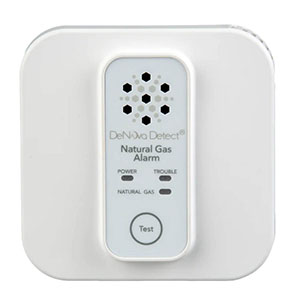
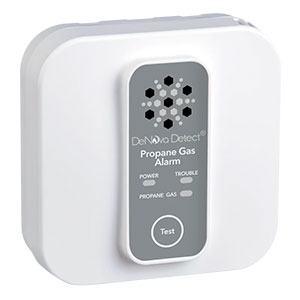
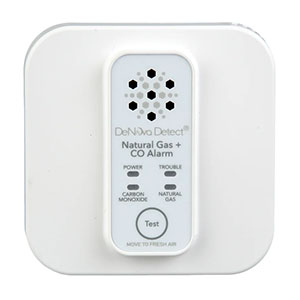
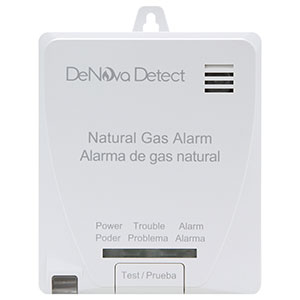
Choosing the right propane gas detector can help improve safety anywhere propane is used. Whether you need protection for a home, RV, cabin, workshop, or other space, the best detector depends on how propane is used, the layout of the area, and features like early sensitivity and power convenience.
This propane gas detector buying guide explains what to look for, which features matter most, and how to choose a model tailored to your living environment. While propane alarms are not a substitute for proper appliance maintenance, a modern propane alarm delivers crucial early warning to help protect your home and loved ones.
Propane is a flammable fuel gas that is heavier than air, meaning it sinks and pools in low-lying floor areas if a leak occurs. Because standard natural gas alarms are mounted high near the ceiling, an effective propane detector must monitor the lowest levels of a room.
Speed of detection is vital. While traditional plug-in alarms often trigger late at a 25% LEL threshold, advanced units like the DeNova Propane Detector feature fast-acting MEMS hot-wire semiconductor technology. Designed to trigger at just 10% LEL (Lower Explosive Limit), a DeNova Propane Alarm can alert you up to 11 minutes faster than conventional detectors, giving occupants precious extra time to safely evacuate.
Not all alarms are built to the same performance standards. When evaluating propane gas alarms, prioritize these key criteria:
Ensure the unit is specifically calibrated for propane gas rather than generic combustible vapors. The DeNova Propane Detector utilizes state-of-the-art MEMS sensor technology designed for high precision and virtually zero false alarms from common household sprays or cleaning chemicals.
Traditional plug-in alarms limit placement to where floor outlets exist, often forcing detectors into corners or behind furniture. The DeNova Detect Propane Alarm is America’s first and only 5-year battery-powered propane gas alarm. Powered by an included 3V lithium battery, it requires no electrical outlets, extension cords, or wiring, providing complete freedom for ideal low-wall installation.
A loud alert is critical during an emergency. Look for an alarm that pairs an audible siren with actionable spoken directions. DeNova Propane Alarms are equipped with a powerful 85 dB audible alert (at 10 ft) and bilingual voice notifications in English and Spanish that clearly announce: “Danger! Gas leak explosion risk! Evacuate, then call 9-1-1”.
Intuitive LED indicators help you verify detector status at a glance. Built-in continuous self-diagnostics automatically monitor internal circuitry, sounding distinct voice and LED warnings for low battery, sensor error, or end-of-life status.
Frequent battery replacements can lead to neglected alarms. With the DeNova Propane Detector, the sealed 5-year battery offers maintenance-free peace of mind for its full operational service life.
Property owners and landlords need reliable compliance and zero nuisance alarms. Because DeNova Propane Detectors are battery-powered, they can be mounted easily in key utility rooms, basements, or kitchen areas without occupying scarce outlets.
Space and electrical setups are limited in campers and RVs. With compact dimensions (3.8″ W x 3.8″ H x 1.6″ D) and zero wiring needs, DeNova Propane Alarms mount securely to living area walls without drawing power from your coach batteries.
Outbuildings and remote cabins frequently encounter temperature shifts. The DeNova DD720PV operates reliably across a wide operating temperature range of 32°F to 122°F (0°C to 50°C) and 5% to 95% non-condensing relative humidity.
Because propane sinks, placement height is critical to ensuring early leak detection. For optimal safety and full NFPA 715 compliance, your detector should be mounted flat on the wall completely within 18 inches of the floor.
| Feature | DeNova Propane Alarm (DD720PV) | Standard Propane Detectors |
|---|---|---|
| Gas Alarm Sensitivity | 10% LEL (up to 11 min faster escape time) | 25% LEL |
| Power Type | 5-Year Battery Powered (3V Lithium included) | Plug-in AC cord or frequent battery replacements |
| Audible & Voice Alert | 85 dB @ 10 ft + English/Spanish Voice Alerts | Standard buzzer only |
| Mounting Location | Wall-mount within 18" of the floor (NFPA 715 compliant) | Often limited by outlet location |
| Certifications | UL 1484 & UL 2075 Listed | Varies |
A single detector may protect a small studio or compact RV, but multi-room and multi-level properties should use multiple DeNova Detect Propane Alarms. Consider adding an alarm in each space where propane is routed:
The best gas detector is one that triggers quickly, mounts precisely where gas gathers, and functions dependably without false alarms. By choosing a certified DeNova Propane Alarm, you gain the peace of mind of 10% LEL early detection, maintenance-free 5-year battery power, NFPA 715 compliance, and clear bilingual voice warnings designed to safeguard your family.
Explore related support articles and resources for this topic.
Learn what propane gas is, why propane leaks are dangerous, how propane gas alarms work, and where propane is commonly used in homes, RVs, grills, and heaters.
Contact options may differ depending on the type of help you need.