
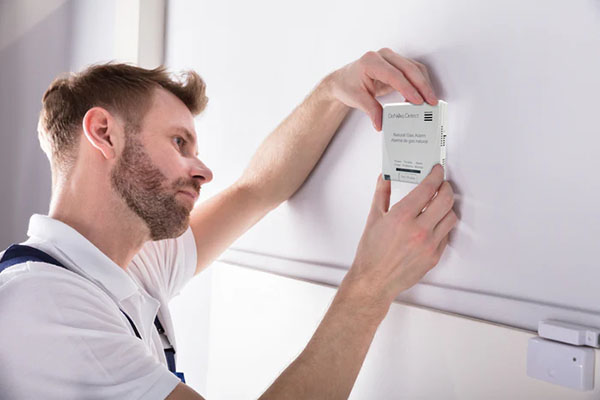
DeNova Detect Natural Gas Detectors
Natural Gas Alarm Laws: What You Need to Know
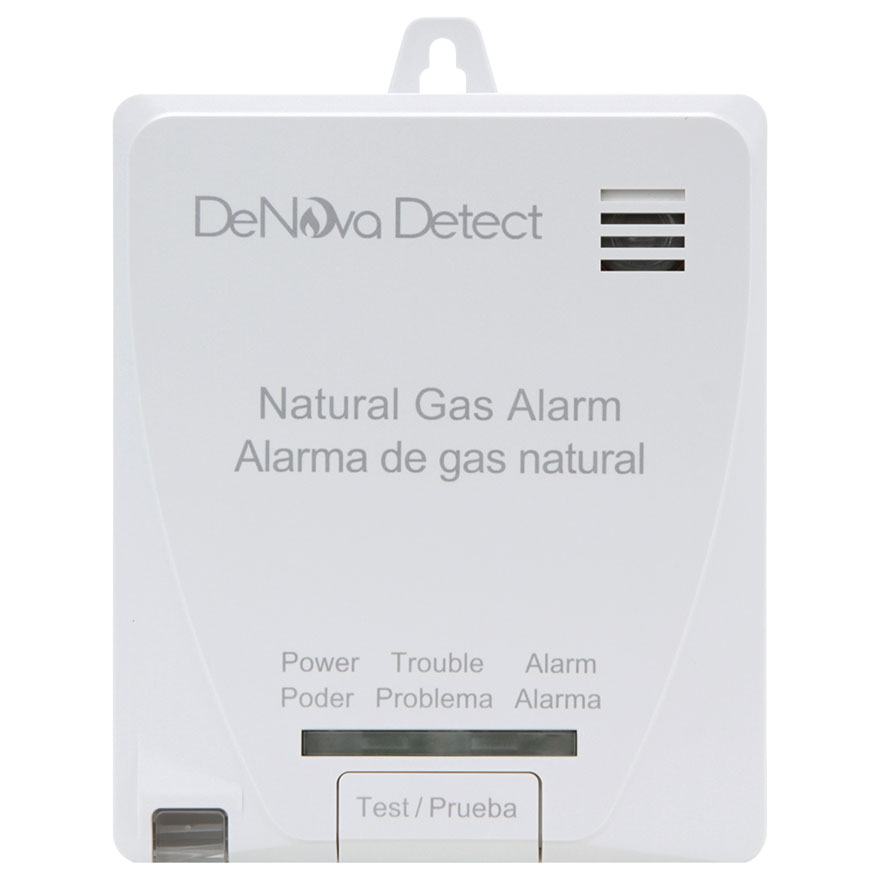
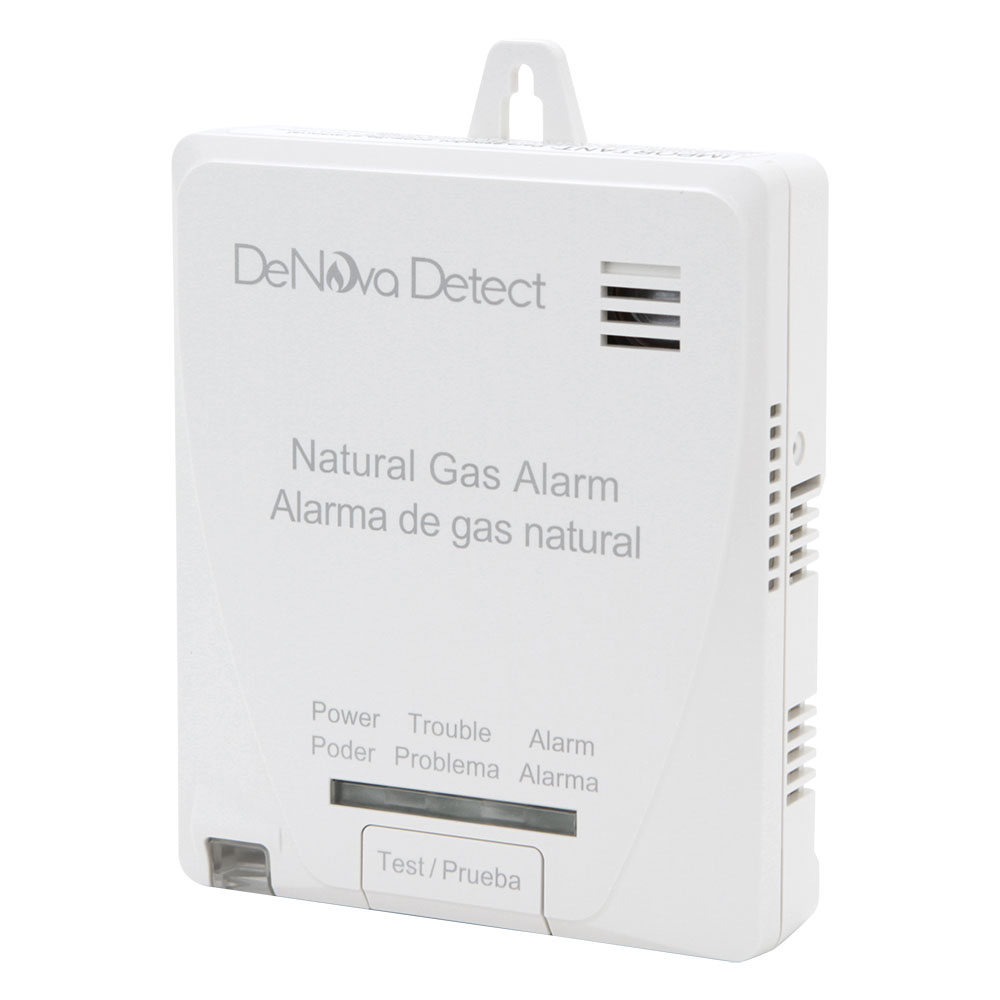
Natural gas alarms are safety devices designed to detect combustible gas leaks such as methane or propane before they reach dangerous levels. Unlike carbon monoxide (CO) detectors, which sense an odorless byproduct of incomplete fuel combustion, natural gas alarms specifically monitor for gas leaks that can lead to explosions or fires.
While CO detectors are widely required by law in many states, natural gas alarm requirements are far less common. Only a handful of jurisdictions currently mandate them. Below is the most up to date snapshot of where natural gas alarms are legally required, where laws are pending, and how homeowners should think about protection even in areas without mandates.
Under Local Law 157, NYC will require:
- Natural gas detectors/alarms in residential buildings that use natural gas, including private homes, apartments, and other dwellings with gas appliances.
- Detectors must be UL listed (e.g., UL 2075 or UL 1484) and installed near gas appliances (such as furnaces, water heaters, boilers) or where natural gas service enters the living space.
- Placement rules typically call for installation 3-10 feet from gas appliances and on fumes accumulation paths such as ceilings or upper walls.
This mandate reflects a growing focus on preventing catastrophic gas leaks as urban residential gas distribution systems age and as gas appliance use rises.
States with Proposed or Pending Natural Gas Alarm Laws
Some states have proposed or passed natural gas alarm laws that are not yet fully in effect statewide.
Maine
A natural gas alarm requirement was passed requiring at least one approved detector in rooms with a natural gas appliance. Implementation timelines and enforcement details may still be evolving as rules are finalized.Connecticut
Legislation has been proposed to require natural gas detectors in dwellings with gas appliances, but as of now, it has not been uniformly adopted into statewide code.Illinois
A bill has moved through the legislature proposing natural gas alarm requirements where fuel burning appliances exist; it remains subject to final adoption and rulemaking.Massachusetts
Similar proposals have been put forward to require natural gas alarms in residential settings, but full statewide implementation is pending.Why the Gap Between Codes and Safety Experts?
There are a few key reasons natural gas alarm mandates lag behind CO detector requirements:
- CO detectors are tied to occupant health risks (poisoning and death), which states have widely acknowledged with mandates.
- Gas leaks pose explosion risks, but the link to occupant injury is indirect—many jurisdictions treat gas leak detection more as a utility safety matter than a building code issue.
- Model codes are still evolving. Standards like NFPA 715 (for combustible gas detection) are gaining traction and influencing jurisdictions like NYC to adopt stronger rules.
Protect Your Home with a Natural Gas Alarm
Natural gas alarms and CO detectors are not interchangeable. While CO detectors protect against carbon monoxide poisoning, they cannot detect combustible gas leaks like methane or propane.
Even if your state or local codes do not legally require natural gas alarms, owning one is a critical step in protecting your home and family from explosive gas leaks. A properly installed detector can provide early warning before gas reaches dangerous levels, potentially preventing fires, explosions, and serious property damage.
Requirements can change over time, so always check your state building code or local fire department guidance. However, proactive installation ensures peace of mind and adds a layer of safety that goes beyond legal minimums.
Related Products
Denova Detect Store Past News Articles
Browse the latest Denova Detect Store news, product updates, buying guides, safety tips, promotions, and store announcements.
Granville, Vermont House Explosion: 2 Dead and 3 Injured in Propane Gas Blast
Bloomington House Explosion: 8 Hospitalized in McLean County Blast
U.S. Natural Gas Explosions & Residential Gas Incidents in July 2026
Illinois HB 3652 & July 2026 U.S. Natural Gas Explosions & Incidents
NYC Local Law 157 Guide: LL157 Requirements for Natural Gas Detectors
Home Gas Explosions: The Rising Danger Next Door
NYC LL157 Gas Detector Law: Local Law 157 Compliance Guide
Gas Leak Preceded San Antonio House Explosions
Deadly House Explosion in Wonder Lake
Des Plaines Natural Gas Explosion

San Antonio Gas Explosion: Councilman Whyte Demands Answers
Pennsylvania House Passes New Gas Alarm Law (HB 1522)
Will a Carbon Monoxide Alarm Detect Natural Gas and What Does a Gas Leak Smell Like?
Assembly Bill 1725: A New Era for Methane Safety in California (Why You Should Act Now)
The Centreville Natural Gas Explosion: A Stark Reminder of Infrastructure Vulnerability

Natural Gas Alarm Laws: What You Need to Know
Where Gas Incidents Are Rising, Why Certain Communities Face Greater Danger
Why You Should Buy Natural Gas Alarms: The DeNova Detect Safety Advantage

Superior Detection Speed Against Widespread Fuel Explosion Events
DeNova Detect Early Warning: Why 10% LEL Natural Gas Alarms Save Lives

DeNova Detect Can Save You up to 37% When Compared to Natural Gas Plug-in Alarms
State of Maine Introduces New Natural Gas Alarm Law: Is Your Home Safe?
How to Protect Your Family from This Explosive Household Hazard
DeNova Natural Gas Alarms: Why & How You Should Protect Your Home
DeNova Natural Gas Alarm Features & Installation Guide