
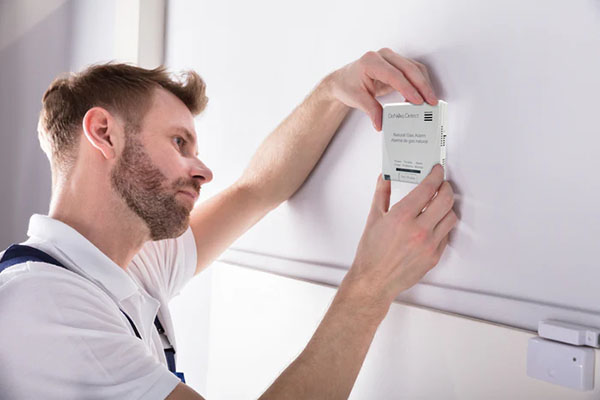
DeNova Detect Natural Gas Detectors
Closing the Safety Gap Through Early Gas Detection
Homes built before 1970 often have cast iron pipes. These are significantly more likely to leak. In these neighborhoods, a modern natural gas alarm is the most critical safety tool you can own.
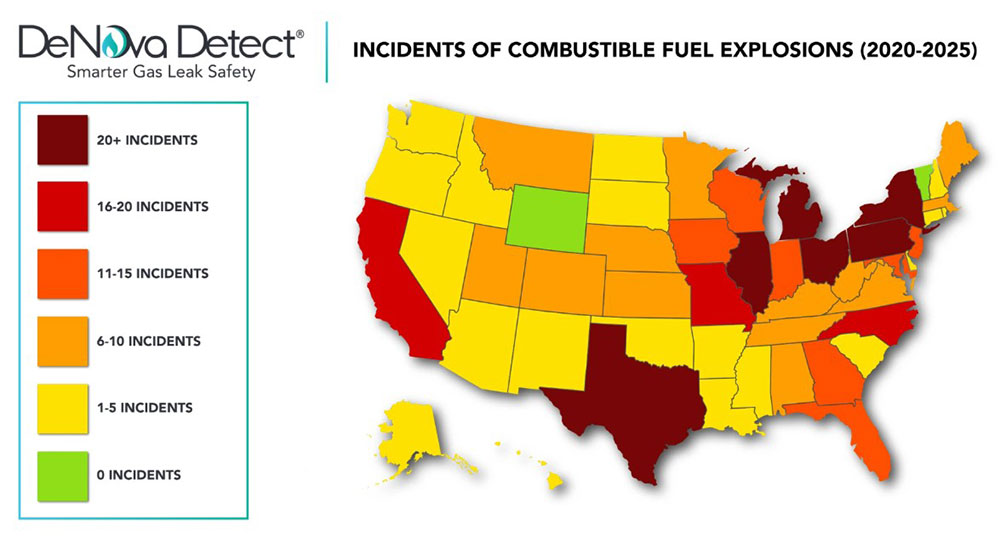
At least 481 incidents were caused by gas leaks through December 2025.
The Renter & Multi-Family Safety Gap
Renters often move into buildings with little information about their gas safety. Even if a detector is present, improper placement can make it useless. In high-density apartments, one leak can threaten dozens of families at once. Installing a dedicated natural gas alarm ensures that a localized issue is found before it becomes a catastrophe.
Modern Standards & Better Protection
New construction is not immune to risk. While building codes and standards like NFPA 715 provide clear guidance for detector placement, enforcement varies. Without proper installation, even modern homes may lack enough protection.
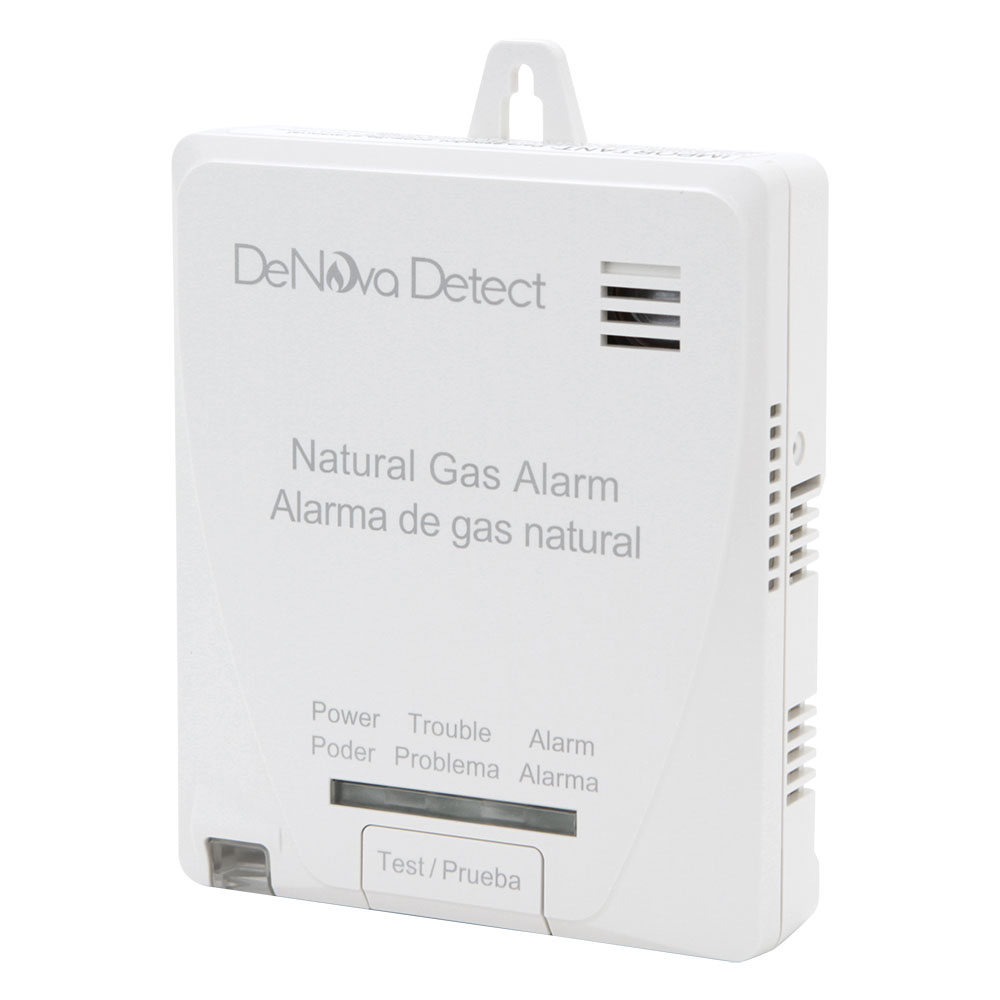
Effective safety requires recognizing that risks change. Infrastructure ages and building designs shift. Relying on old safety assumptions without upgrading to a modern natural gas leak detector leaves your home exposed. Treat gas detectors as core safety devices, just as essential as your smoke or carbon monoxide alarms.
Related Products
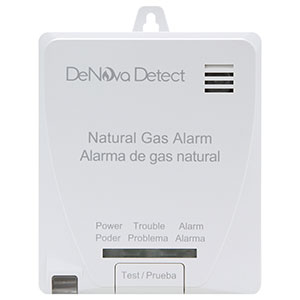
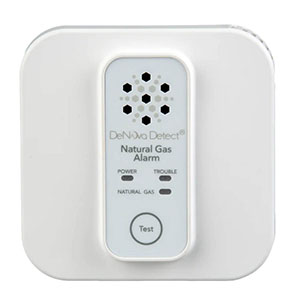
Denova Detect Store Past News Articles
Browse the latest Denova Detect Store news, product updates, buying guides, safety tips, promotions, and store announcements.
Granville, Vermont House Explosion: 2 Dead and 3 Injured in Propane Gas Blast
Bloomington House Explosion: 8 Hospitalized in McLean County Blast
U.S. Natural Gas Explosions & Residential Gas Incidents in July 2026
Illinois HB 3652 & July 2026 U.S. Natural Gas Explosions & Incidents
NYC Local Law 157 Guide: LL157 Requirements for Natural Gas Detectors
Home Gas Explosions: The Rising Danger Next Door
NYC LL157 Gas Detector Law: Local Law 157 Compliance Guide
Gas Leak Preceded San Antonio House Explosions
Deadly House Explosion in Wonder Lake
Des Plaines Natural Gas Explosion

San Antonio Gas Explosion: Councilman Whyte Demands Answers

Pennsylvania House Passes New Gas Alarm Law (HB 1522)

Will a Carbon Monoxide Alarm Detect Natural Gas and What Does a Gas Leak Smell Like?
Assembly Bill 1725: A New Era for Methane Safety in California (Why You Should Act Now)
The Centreville Natural Gas Explosion: A Stark Reminder of Infrastructure Vulnerability

Natural Gas Alarm Laws: What You Need to Know
Where Gas Incidents Are Rising, Why Certain Communities Face Greater Danger

Why You Should Buy Natural Gas Alarms: The DeNova Detect Safety Advantage

Superior Detection Speed Against Widespread Fuel Explosion Events
DeNova Detect Early Warning: Why 10% LEL Natural Gas Alarms Save Lives

DeNova Detect Can Save You up to 37% When Compared to Natural Gas Plug-in Alarms
State of Maine Introduces New Natural Gas Alarm Law: Is Your Home Safe?
How to Protect Your Family from This Explosive Household Hazard
DeNova Natural Gas Alarms: Why & How You Should Protect Your Home
DeNova Natural Gas Alarm Features & Installation Guide