
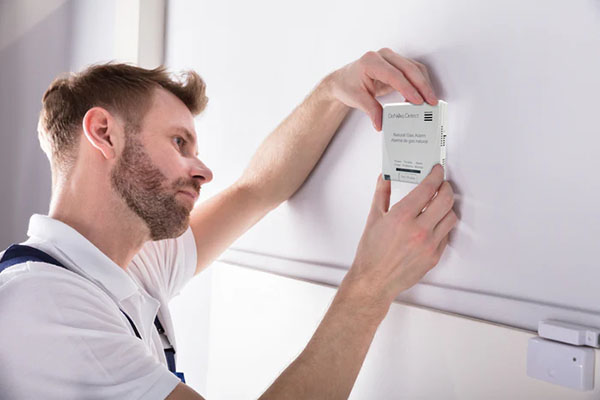
Superior Detection Speed Against Widespread Fuel Explosion Events
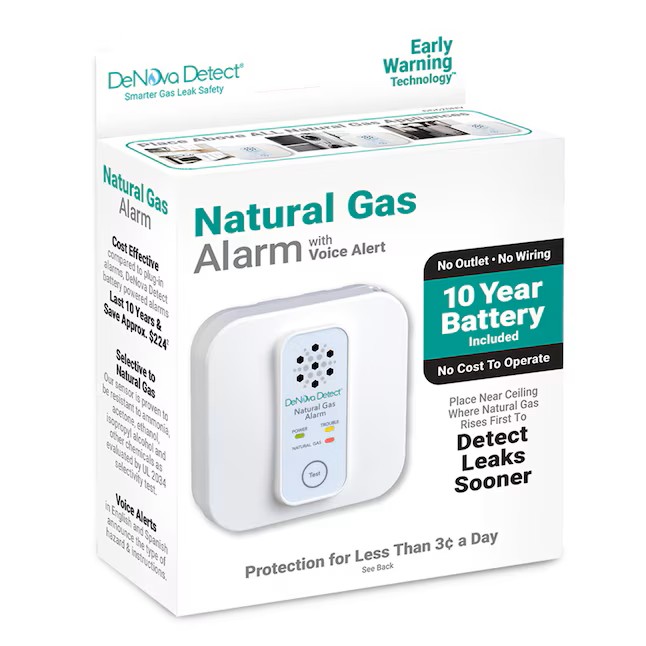
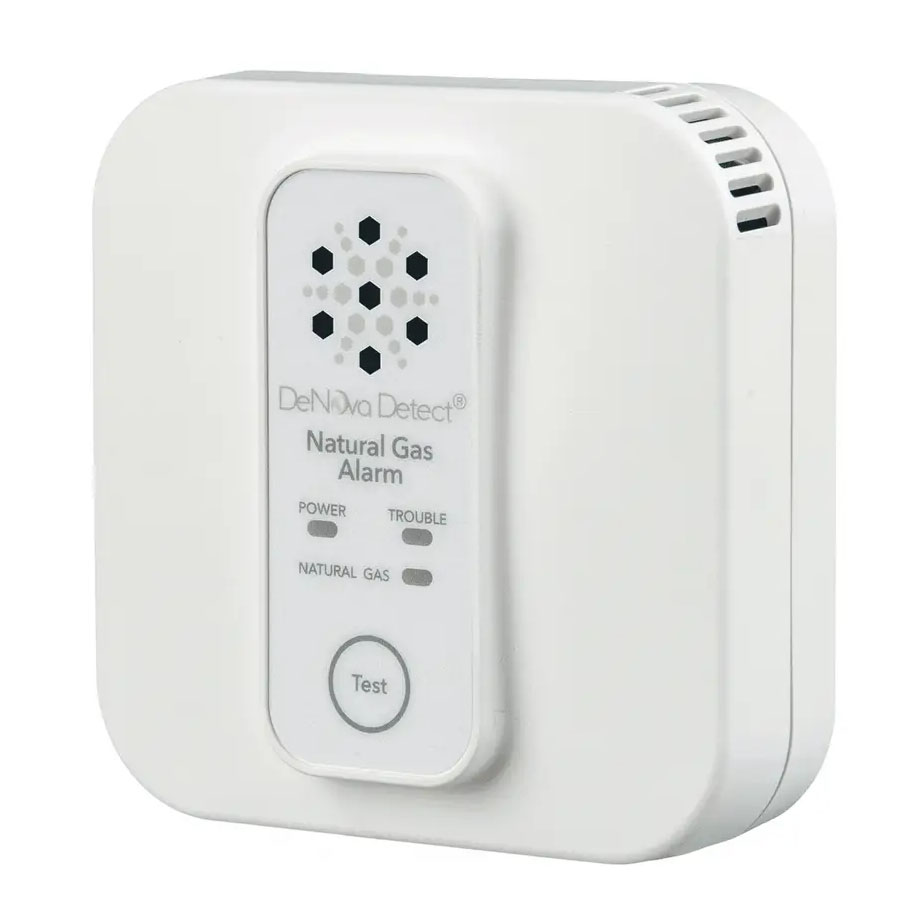
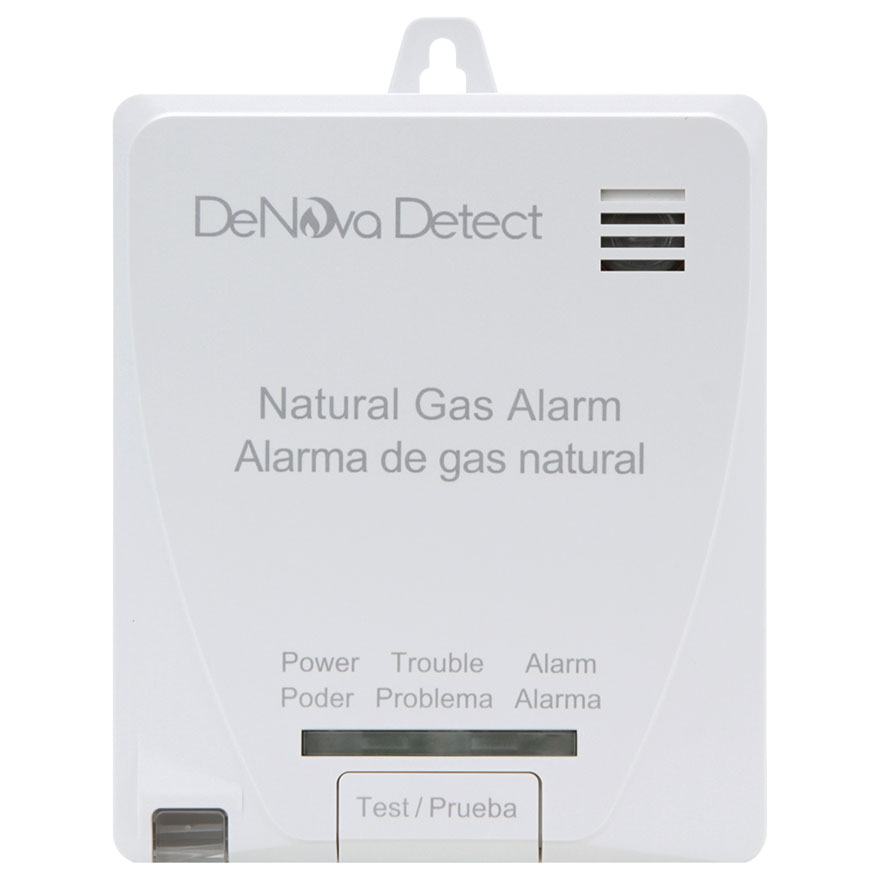
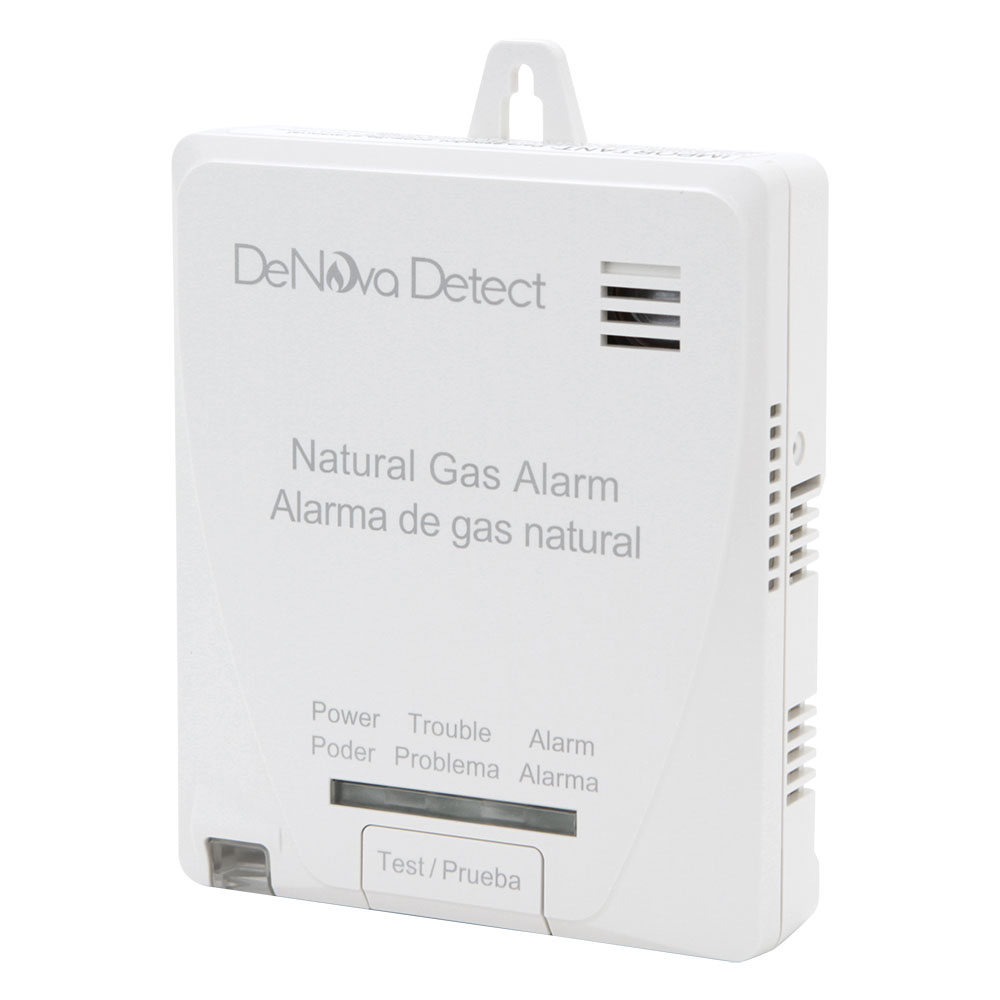
The DeNova Detect 10-Year Natural Gas and Carbon Monoxide Alarm is engineered specifically to prevent catastrophic natural gas incidents, primarily fires and explosions, within residential and business properties. It achieves this through ultra-sensitive, early detection technology. The combination alarm utilizes a specialized Micro-Electro Mechanical Systems (MEMS) sensor designed to monitor for methane gas (the primary component of natural gas). It is calibrated to alarm at 10% of the Lower Explosive Limit (LEL). This low-level threshold is significantly more sensitive than conventional detectors, offering up to an 11 minute faster warning. By identifying the leak early, this 2-in-1 alarm ensures that evacuation measures can begin long before the gas concentration reaches a dangerous, ignitable level.
Once the 10% LEL threshold is met, the alarm's primary preventative function shifts to alerting and directing occupants. It issues a loud, 85 dB audible signal paired with clear, bilingual (English and Spanish) voice instructions. These instructions immediately communicate the nature of the emergency: "Danger! Gas leak explosion risk! Evacuate, then call 9-1-1" which is vital in a panic situation. This clear directive minimizes confusion, prevents occupants from attempting to investigate the leak (which could trigger a spark), and ensures the fastest possible evacuation, effectively turning a potential disaster into a managed emergency.
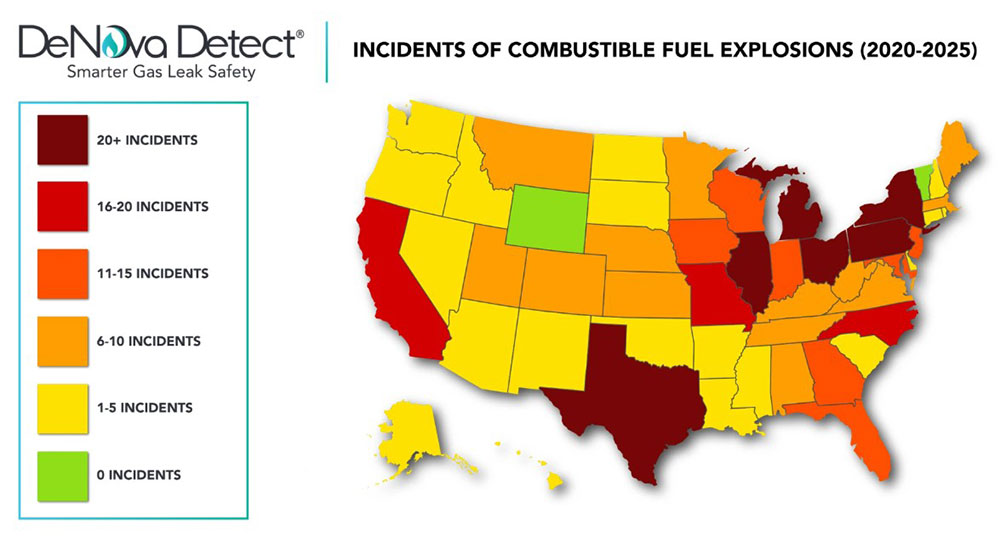
Proper alarm placement near potential leak sources (kitchens, furnaces, etc.) is the best line of defense against the incidents detailed in the data below, especially since natural gas is lighter than air and accumulates near the ceiling.
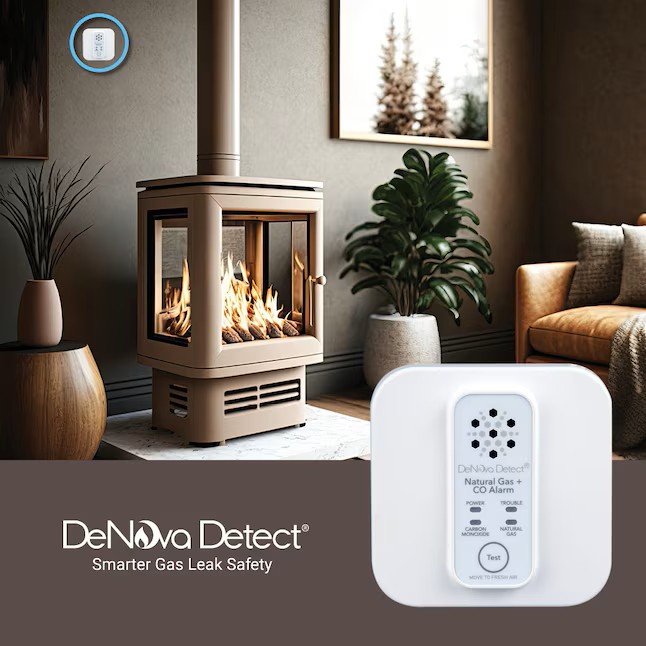
Combustible Fuel Explosion Incidents by State
Data recorded between 2020 and 2025 across the United States.
| State | Incidents | Injured | Dead |
|---|---|---|---|
| Alabama | 8 | 7 | 0 |
| Alaska | 2 | 1 | 0 |
| Arizona | 4 | 2 | 0 |
| Arkansas | 4 | 2 | 0 |
| California | 14 | 25 | 1 |
| Colorado | 6 | 3 | 1 |
| Connecticut | 3 | 4 | 0 |
| Delaware | 2 | 1 | 0 |
| Florida | 12 | 29 | 0 |
| Georgia | 13 | 16 | 7 |
| Hawaii | 1 | 2 | 0 |
| Idaho | 2 | 2 | 0 |
| Illinois | 19 | 20 | 4 |
| Indiana | 11 | 19 | 4 |
| Iowa | 11 | 13 | 2 |
| Kansas | 5 | 2 | 0 |
| Kentucky | 6 | 7 | 2 |
| Louisiana | 4 | 7 | 1 |
| Maine | 7 | 4 | 0 |
| Maryland | 9 | 29 | 5 |
| Massachusetts | 8 | 13 | 1 |
| Michigan | 27 | 48 | 14 |
| Minnesota | 7 | 9 | 4 |
| Mississippi | 4 | 4 | 0 |
| Missouri | 14 | 21 | 14 |
| Montana | 7 | 7 | 3 |
| Nebraska | 5 | 5 | 1 |
| Nevada | 1 | 1 | 0 |
| New Hampshire | 3 | 3 | 0 |
| New Jersey | 14 | 11 | 7 |
| New Mexico | 3 | 3 | 0 |
| New York | 29 | 75 | 11 |
| North Carolina | 15 | 18 | 2 |
| North Dakota | 2 | 2 | 0 |
| Ohio | 18 | 24 | 15 |
| Oklahoma | 5 | 4 | 0 |
| Oregon | 5 | 1 | 0 |
| Pennsylvania | 28 | 38 | 20 |
| Rhode Island | 2 | 3 | 0 |
| South Carolina | 3 | 2 | 0 |
| South Dakota | 3 | 3 | 0 |
| Tennessee | 10 | 10 | 3 |
| Texas | 27 | 62 | 8 |
| Utah | 5 | 4 | 0 |
| Vermont | 1 | 0 | 0 |
| Virginia | 7 | 22 | 2 |
| Washington | 7 | 7 | 1 |
| West Virginia | 7 | 7 | 0 |
| Wisconsin | 13 | 15 | 4 |
| Wyoming | 0 | 0 | 0 |
| TOTAL | 419 | 625 | 49 |
Note: Data includes incidents involving Natural Gas, Propane, and LPG from 2020 through the start of 2025.
Related Products
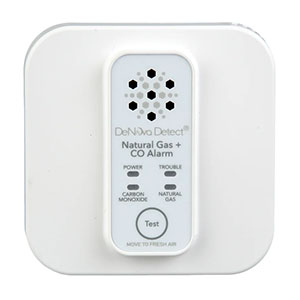
Denova Detect Store Past News Articles
Browse the latest Denova Detect Store news, product updates, buying guides, safety tips, promotions, and store announcements.
Granville, Vermont House Explosion: 2 Dead and 3 Injured in Propane Gas Blast
Bloomington House Explosion: 8 Hospitalized in McLean County Blast
U.S. Natural Gas Explosions & Residential Gas Incidents in July 2026
Illinois HB 3652 & July 2026 U.S. Natural Gas Explosions & Incidents
NYC Local Law 157 Guide: LL157 Requirements for Natural Gas Detectors
Home Gas Explosions: The Rising Danger Next Door
NYC LL157 Gas Detector Law: Local Law 157 Compliance Guide
Gas Leak Preceded San Antonio House Explosions
Deadly House Explosion in Wonder Lake
Des Plaines Natural Gas Explosion

San Antonio Gas Explosion: Councilman Whyte Demands Answers

Pennsylvania House Passes New Gas Alarm Law (HB 1522)
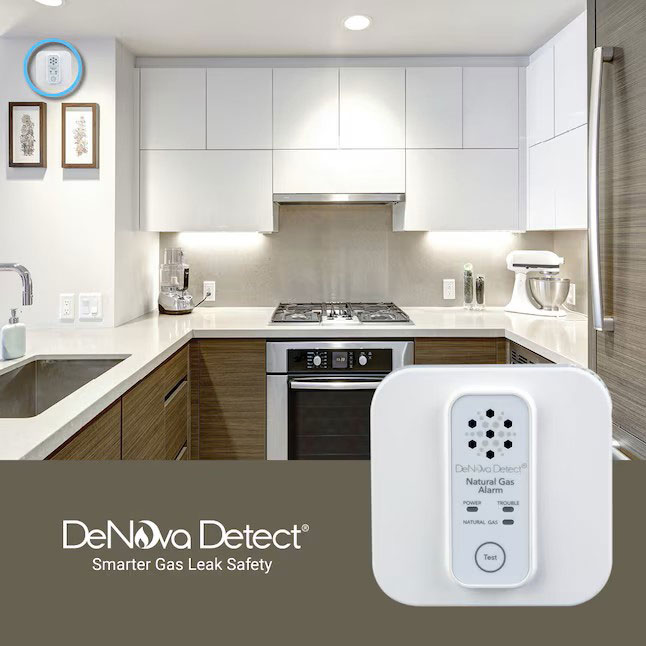
Will a Carbon Monoxide Alarm Detect Natural Gas and What Does a Gas Leak Smell Like?
Assembly Bill 1725: A New Era for Methane Safety in California (Why You Should Act Now)
The Centreville Natural Gas Explosion: A Stark Reminder of Infrastructure Vulnerability

Natural Gas Alarm Laws: What You Need to Know
Where Gas Incidents Are Rising, Why Certain Communities Face Greater Danger
Why You Should Buy Natural Gas Alarms: The DeNova Detect Safety Advantage

Superior Detection Speed Against Widespread Fuel Explosion Events
DeNova Detect Early Warning: Why 10% LEL Natural Gas Alarms Save Lives

DeNova Detect Can Save You up to 37% When Compared to Natural Gas Plug-in Alarms
State of Maine Introduces New Natural Gas Alarm Law: Is Your Home Safe?
How to Protect Your Family from This Explosive Household Hazard
DeNova Natural Gas Alarms: Why & How You Should Protect Your Home
DeNova Natural Gas Alarm Features & Installation Guide