
DeNova Detect Natural Gas Detectors
Will a Carbon Monoxide Alarm Detect Natural Gas?
No, a standard carbon monoxide alarm cannot detect natural gas. While both are dangerous, they are chemically distinct: carbon monoxide (CO) is a toxic byproduct of incomplete combustion, whereas natural gas is primarily methane (CH4), a highly flammable fuel. Detection requires specific sensors because these gases behave differently in a home environment. Carbon monoxide mixes evenly with air, but natural gas is significantly lighter than air and rises rapidly toward the ceiling. A device engineered to sense CO molecules is technically incapable of identifying a methane leak, leaving a critical gap in home safety.
Relying on the rotten egg smell (mercaptan) added to natural gas is often insufficient for early warning. Factors such as "odor fade", where the scent is stripped by soil or pipe walls or a person's diminished sense of smell during sleep can lead to undetected leaks. Data from the Pipeline and Hazardous Materials Safety Administration (PHMSA) reveals that between 2005 and 2024, serious gas incidents caused over 177 fatalities and 801 injuries. Without a dedicated sensor, natural gas can reach its Lower Explosive Limit (LEL) long before a standard smoke or CO alarm would ever trigger.
The Advantage of MEMS Technology and 2-in-1 Alarms
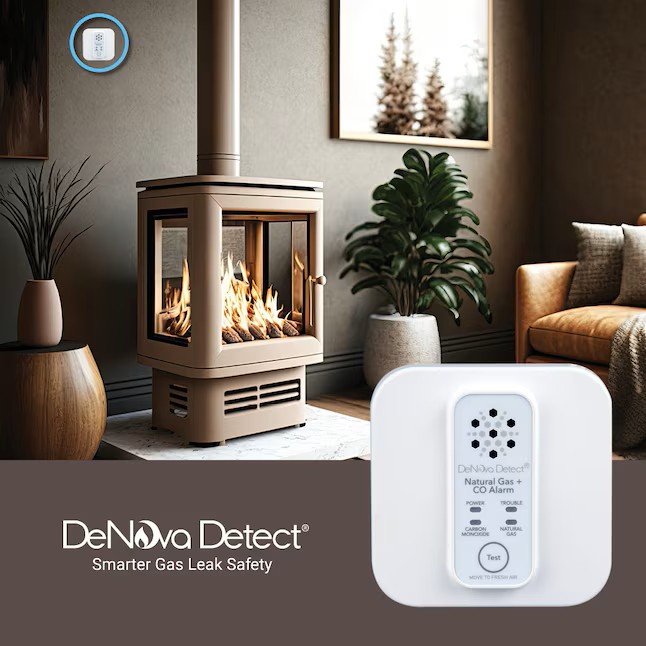
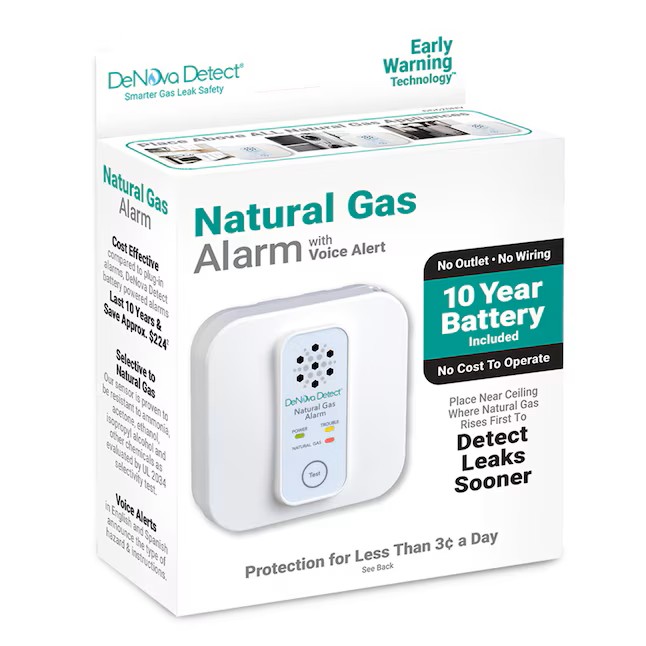
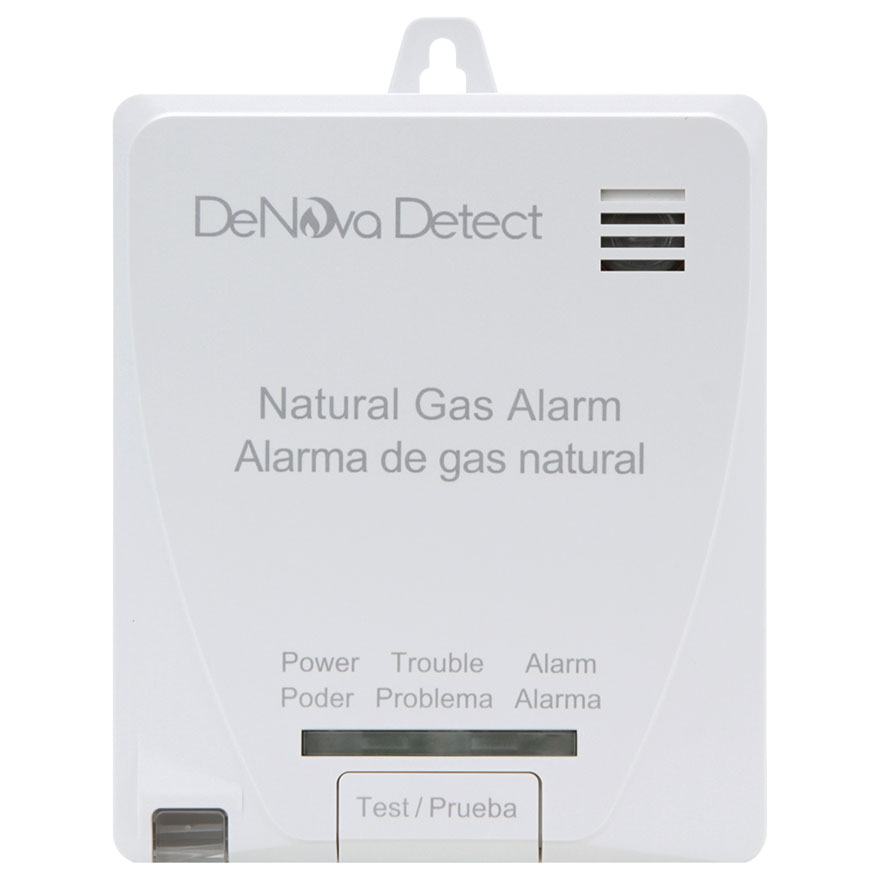
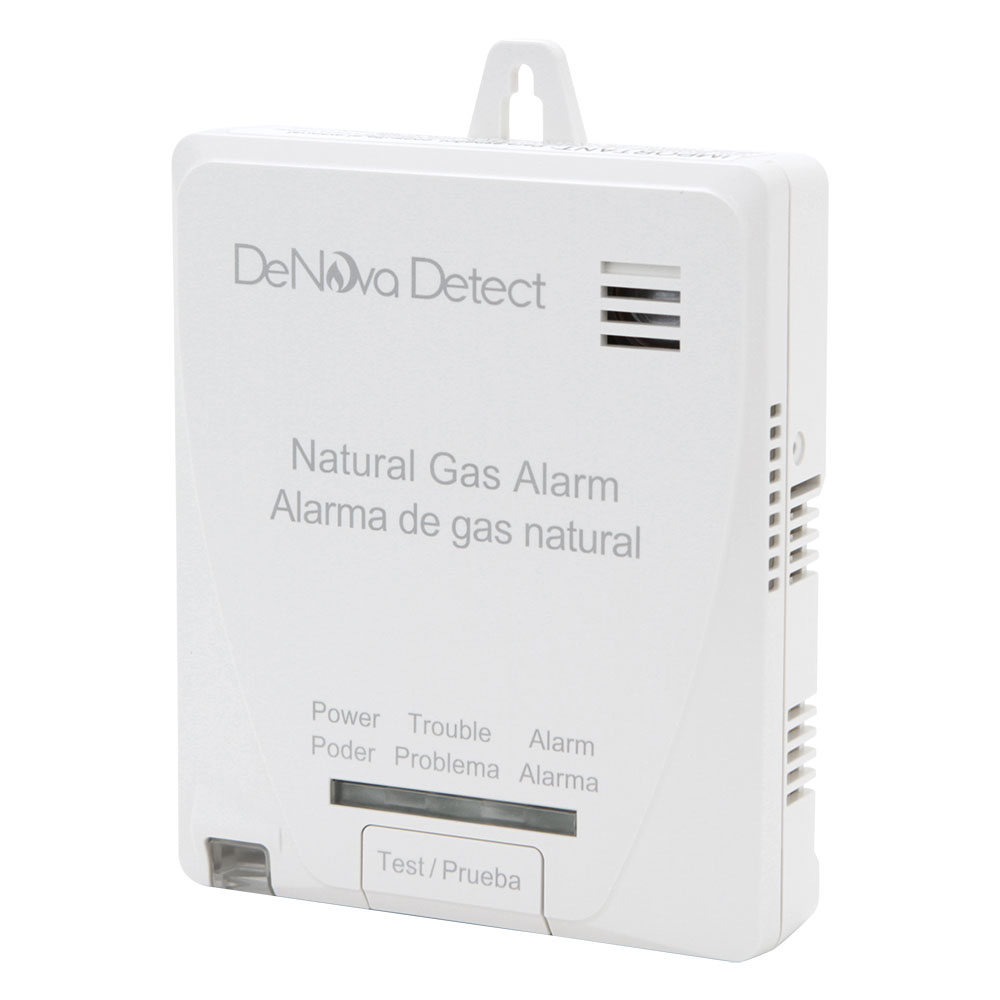
Modern safety standards now favor specialized equipment like the DeNova Detect 2-in-1 Combination Alarm, the first 10-year battery-powered device to monitor both carbon monoxide and natural gas simultaneously. These units utilize Micro-Electromechanical System (MEMS) technology, which identifies gas leaks at a 10% LEL. This is significantly lower than the 25% LEL threshold found in many traditional plug-in models. This advanced sensitivity allows the alarm to sound up to 11 minutes faster than competitors. Faster detection, paired with bilingual voice alerts, provides families with the essential minutes needed to evacuate before a potential explosion occurs.
NFPA 715 Standards for Optimal Placement
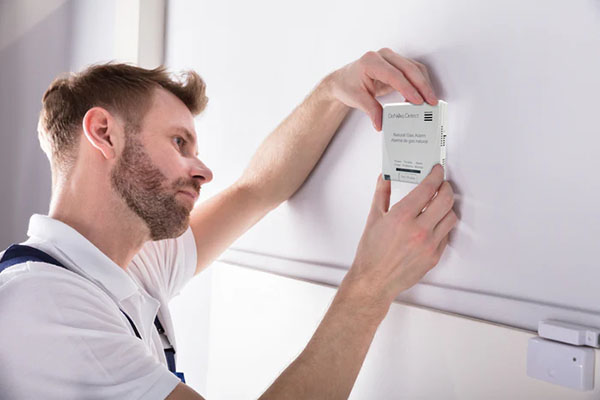
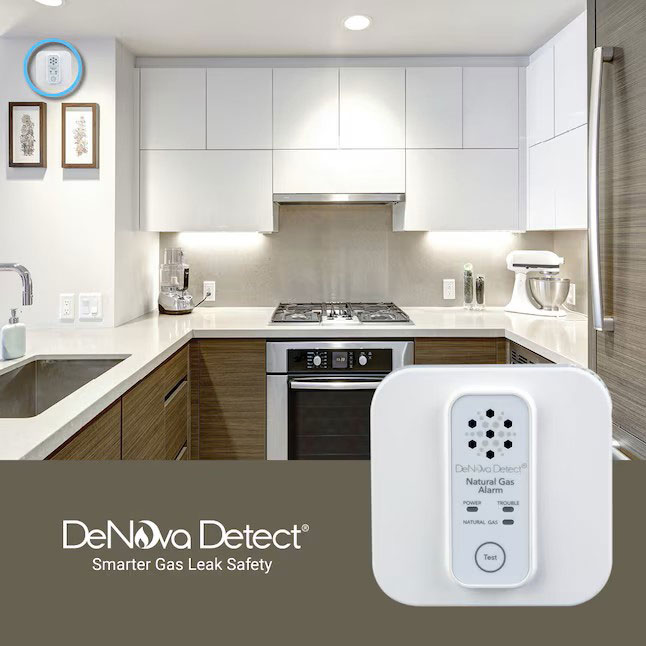
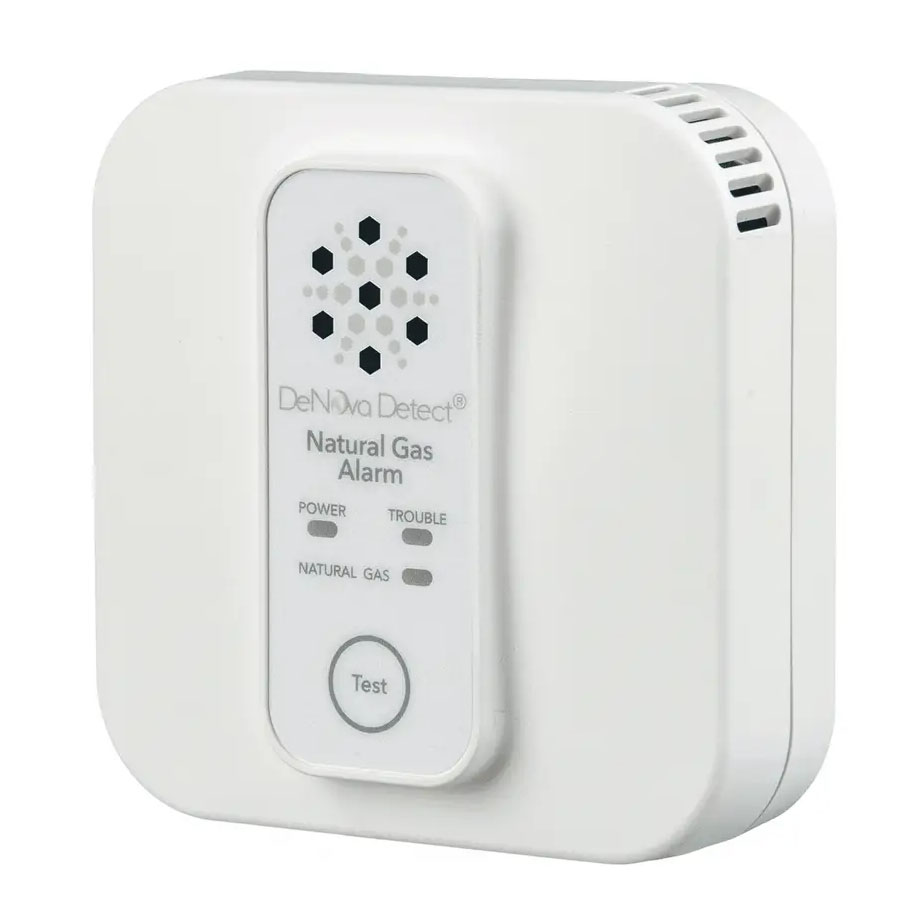
Effective gas detection depends entirely on strategic installation. Since natural gas rises, the National Fire Protection Association (NFPA 715) recommends mounting gas alarms within 12 inches of the ceiling. Traditional plug-in alarms are often ineffective because they are tethered to floor-level outlets, missing the gas as it accumulates above. By using a 10-year battery-operated unit from DeNova Detect, homeowners can achieve optimal placement high on the wall without needing an outlet. This ensures the sensor is positioned exactly where rising natural gas gathers, providing the earliest possible warning for your household.
Related Products
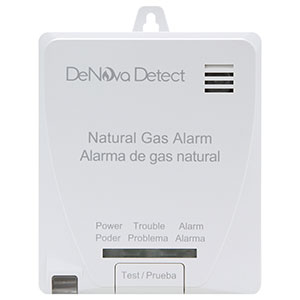
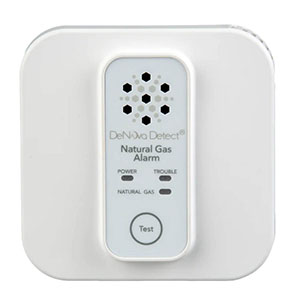
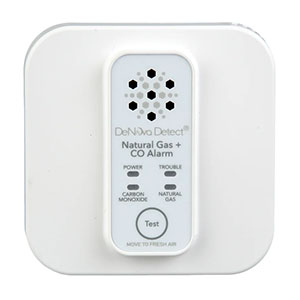
Denova Detect Store Past News Articles
Browse the latest Denova Detect Store news, product updates, buying guides, safety tips, promotions, and store announcements.
Natural Gas Explosion in Athens, Greece: 6 Dead in Plaka Building Collapse
Granville, Vermont House Explosion: 2 Dead and 3 Injured in Propane Gas Blast
Bloomington House Explosion: 8 Hospitalized in McLean County Blast
U.S. Natural Gas Explosions & Residential Gas Incidents in July 2026
Illinois HB 3652 & July 2026 U.S. Natural Gas Explosions & Incidents
NYC Local Law 157 Guide: LL157 Requirements for Natural Gas Detectors
Home Gas Explosions: The Rising Danger Next Door
NYC LL157 Gas Detector Law: Local Law 157 Compliance Guide
Gas Leak Preceded San Antonio House Explosions
Deadly House Explosion in Wonder Lake
Des Plaines Natural Gas Explosion

San Antonio Gas Explosion: Councilman Whyte Demands Answers
Pennsylvania House Passes New Gas Alarm Law (HB 1522)
Will a Carbon Monoxide Alarm Detect Natural Gas and What Does a Gas Leak Smell Like?
Assembly Bill 1725: A New Era for Methane Safety in California (Why You Should Act Now)
The Centreville Natural Gas Explosion: A Stark Reminder of Infrastructure Vulnerability

Natural Gas Alarm Laws: What You Need to Know
Where Gas Incidents Are Rising, Why Certain Communities Face Greater Danger
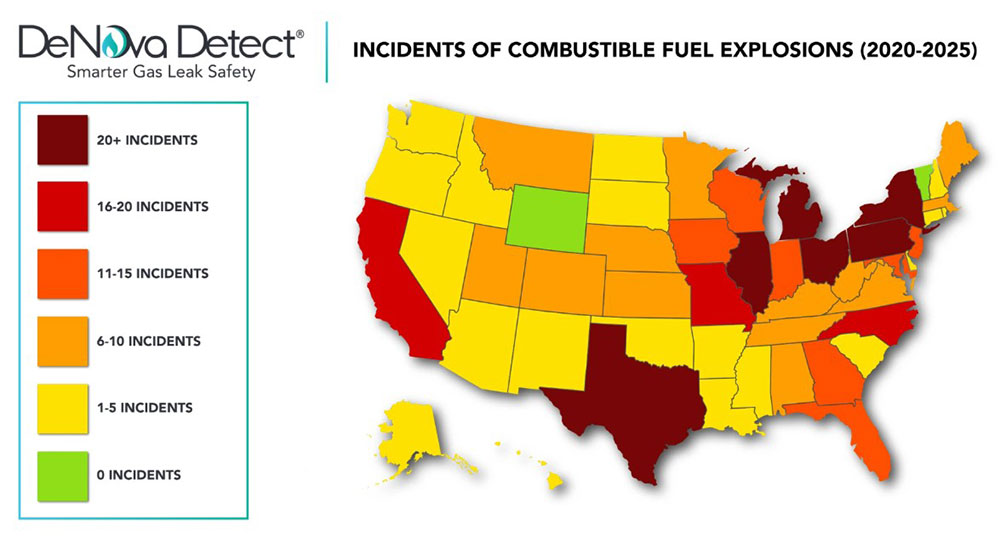
Why You Should Buy Natural Gas Alarms: The DeNova Detect Safety Advantage

Superior Detection Speed Against Widespread Fuel Explosion Events
DeNova Detect Early Warning: Why 10% LEL Natural Gas Alarms Save Lives

DeNova Detect Can Save You up to 37% When Compared to Natural Gas Plug-in Alarms
State of Maine Introduces New Natural Gas Alarm Law: Is Your Home Safe?
How to Protect Your Family from This Explosive Household Hazard
DeNova Natural Gas Alarms: Why & How You Should Protect Your Home
DeNova Natural Gas Alarm Features & Installation Guide