
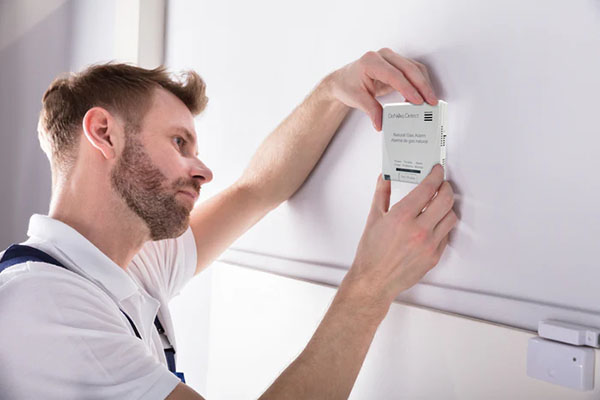
San Antonio Gas Explosions: Councilman Marc Whyte Demands Infrastructure Answers
A Northeast San Antonio neighborhood is reeling after two consecutive natural gas explosions on Preston Hollow Drive left five people hospitalized and destroyed multiple homes. The dual blasts have prompted District 10 Councilman Marc Whyte and the NTSB to launch a federal investigation into the city's aging gas lines and the specific natural gas explosion causes linked to infrastructure failure.
Chronology of the Disasters
The first explosion leveled a home at 6:00 PM, critically injuring three people. Two hours later, a second blast occurred two doors away while fire crews were still on-site. Chief Valerie Frausto confirmed that methane had migrated underground, filling the foundations of the homes before igniting. This incident has raised nationwide concerns regarding natural gas safety in the home and the potential for a gas leak in a house to go undetected until it is too late.
Why Smelling Gas is an Insufficient Defense
The San Antonio tragedy highlights the danger of "Odor Fade." When a gas leak occurs underground, the soil can strip away the "rotten egg" scent, making the leak impossible to smell before reaching dangerous concentrations. This makes professional gas leak detection tools a necessity rather than an option.
| The Safety Gap | Standard Protection | DeNova Advanced Detection |
|---|---|---|
| Detection Level | 25% LEL | 10% LEL (Early Warning) |
| Response Speed | Triggers near explosive gas levels | 11 Minutes Faster |
| Mounting Height | Outlet Level (Near Floor) | High-Mount (Ceiling Level) |
Councilman Whyte Calls for Accountability
Councilman Marc Whyte has demanded transparency from CPS Energy, stating, "We must ensure every resident is safe before they return home." The NTSB is now investigating how the gas migrated through the soil, a sign of significant infrastructure failure that could lead to a massive natural gas explosion if left unaddressed.
Critical Safety Steps for Homeowners
- Placement Matters: Natural gas is lighter than air. Ensure detectors are mounted within 12 inches of the ceiling for accurate detecting of a gas leak.
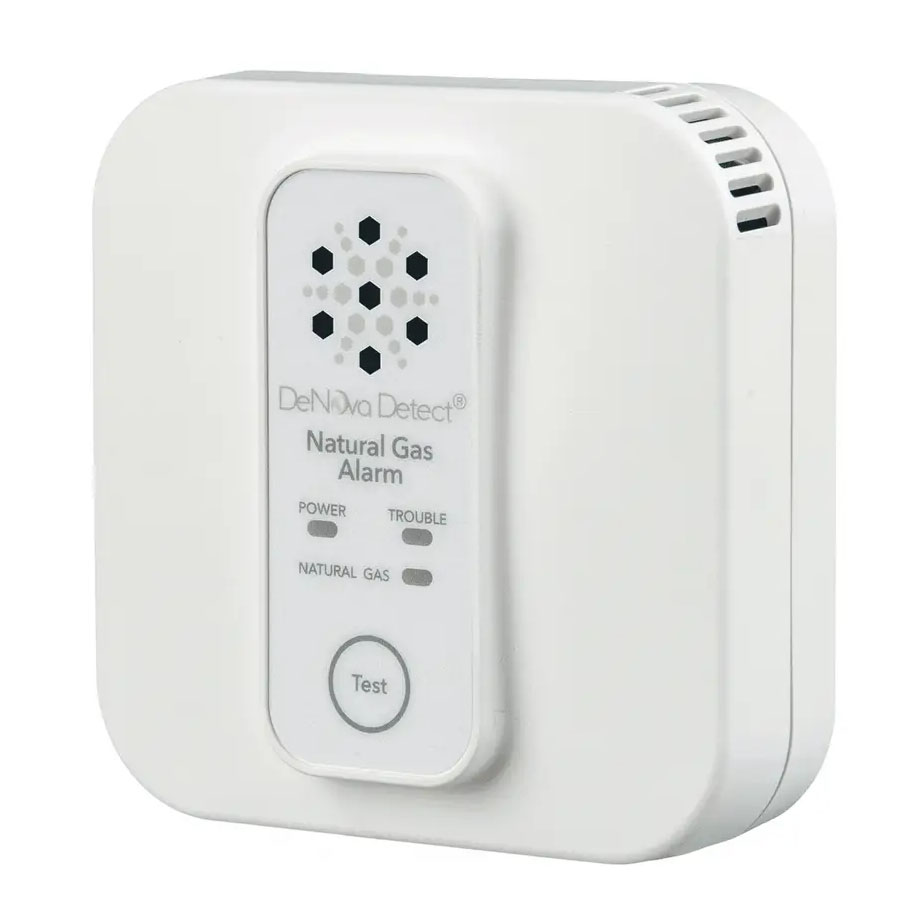
- Early Intervention: Use MEMS sensor technology that triggers at 10% LEL to provide the widest possible evacuation window.
- Power Reliability: Choose battery-powered units that remain "always-on" during the power outages that often accompany these safety incidents.
CPS Energy has capped the local leak, but the investigation into the Northeast Side's pipeline integrity continues. For residents concerned about methane gas or general home safety, visiting the DeNova Detect Store offers access to the latest in 10-year battery-powered detection technology.
Related Products
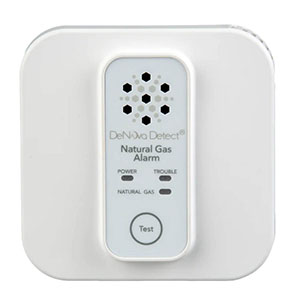
Denova Detect Store Past News Articles
Browse the latest Denova Detect Store news, product updates, buying guides, safety tips, promotions, and store announcements.
Granville, Vermont House Explosion: 2 Dead and 3 Injured in Propane Gas Blast
Bloomington House Explosion: 8 Hospitalized in McLean County Blast
U.S. Natural Gas Explosions & Residential Gas Incidents in July 2026
Illinois HB 3652 & July 2026 U.S. Natural Gas Explosions & Incidents
NYC Local Law 157 Guide: LL157 Requirements for Natural Gas Detectors
Home Gas Explosions: The Rising Danger Next Door
NYC LL157 Gas Detector Law: Local Law 157 Compliance Guide
Gas Leak Preceded San Antonio House Explosions
Deadly House Explosion in Wonder Lake
Des Plaines Natural Gas Explosion

San Antonio Gas Explosion: Councilman Whyte Demands Answers

Pennsylvania House Passes New Gas Alarm Law (HB 1522)
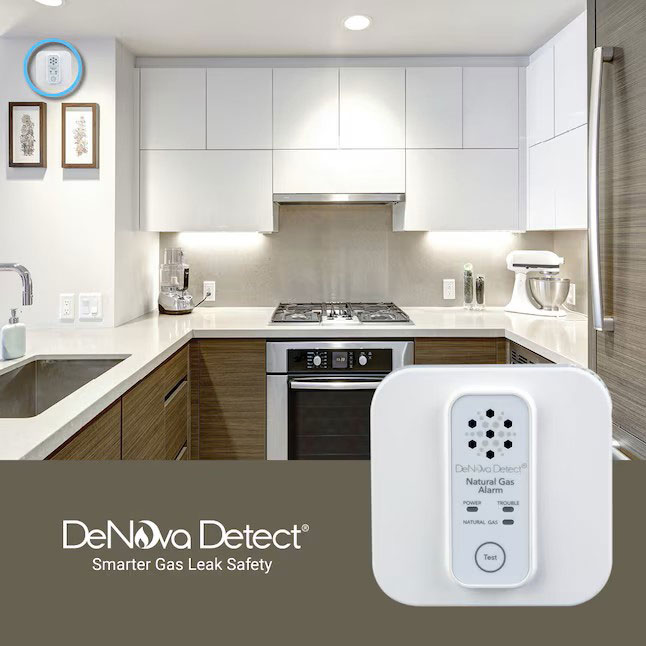
Will a Carbon Monoxide Alarm Detect Natural Gas and What Does a Gas Leak Smell Like?
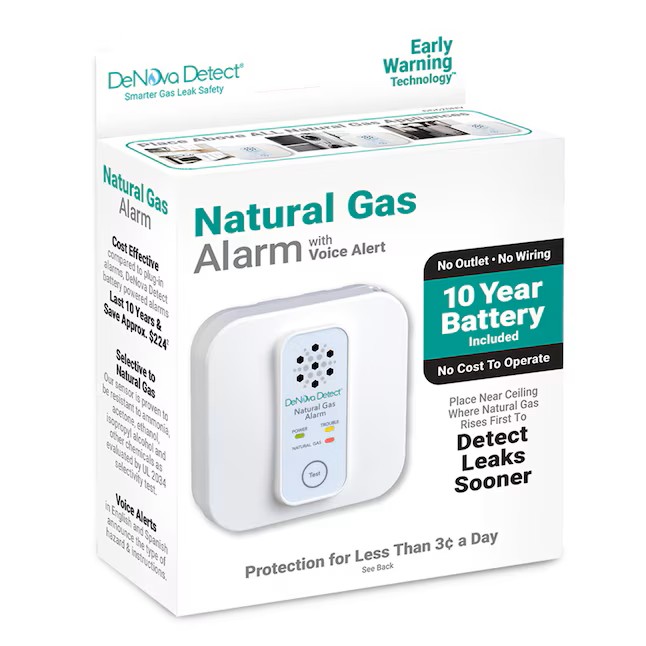
Assembly Bill 1725: A New Era for Methane Safety in California (Why You Should Act Now)
The Centreville Natural Gas Explosion: A Stark Reminder of Infrastructure Vulnerability

Natural Gas Alarm Laws: What You Need to Know
Where Gas Incidents Are Rising, Why Certain Communities Face Greater Danger
Why You Should Buy Natural Gas Alarms: The DeNova Detect Safety Advantage

Superior Detection Speed Against Widespread Fuel Explosion Events
DeNova Detect Early Warning: Why 10% LEL Natural Gas Alarms Save Lives

DeNova Detect Can Save You up to 37% When Compared to Natural Gas Plug-in Alarms
State of Maine Introduces New Natural Gas Alarm Law: Is Your Home Safe?
How to Protect Your Family from This Explosive Household Hazard
DeNova Natural Gas Alarms: Why & How You Should Protect Your Home
DeNova Natural Gas Alarm Features & Installation Guide