
The Centreville Natural Gas Explosion: A Stark Reminder of Infrastructure Vulnerability
On the night of Sunday, February 15, 2026, the quiet Belle Pond Farm neighborhood in Centreville, Virginia, was rocked by a massive explosion that decimated a single-family home on Quail Pond Court. The blast, which occurred shortly before 10:00 p.m., was so powerful that it was felt by residents miles away, triggering more than 20 emergency calls to 911 in a matter of minutes.
The aftermath revealed a scene of devastation: one home was completely leveled, and several neighboring properties sustained significant structural damage. While the explosion could have been far more tragic, only two injuries were reported. The incident forced the evacuation of 46 homes and left nearly 90 families without gas service for over a week as federal investigators from the National Transportation Safety Board (NTSB) worked to identify the source of the leak.
🚨 Key Takeaways from the Centreville Incident
The Centreville explosion highlights three critical gaps in home safety:
- Infrastructure Can Fail: Even modern neighborhoods are at risk of distribution line leaks.
- Smell Isn't Enough: Residents smelled gas hours before the blast, but without a localized alarm, the exact danger level remained unknown.
- Early Detection is Life-Saving: A natural gas alarm would have provided an immediate, high-decibel warning the moment methane reached 10% LEL.

A Predictable Crisis?
The investigation eventually centered on a section of polyethylene plastic pipe near the corner of Quail Pond Court and Belle Plains Drive. While the NTSB’s final report on the cause could take up to two years, preliminary findings confirmed a significant loss of pressure in the local distribution system operated by Washington Gas.
Why Ceiling Mounting Matters
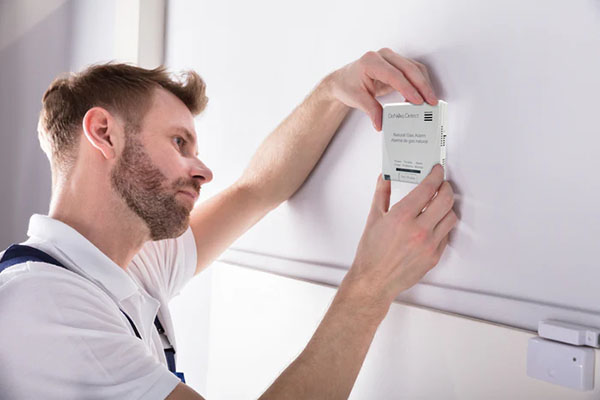
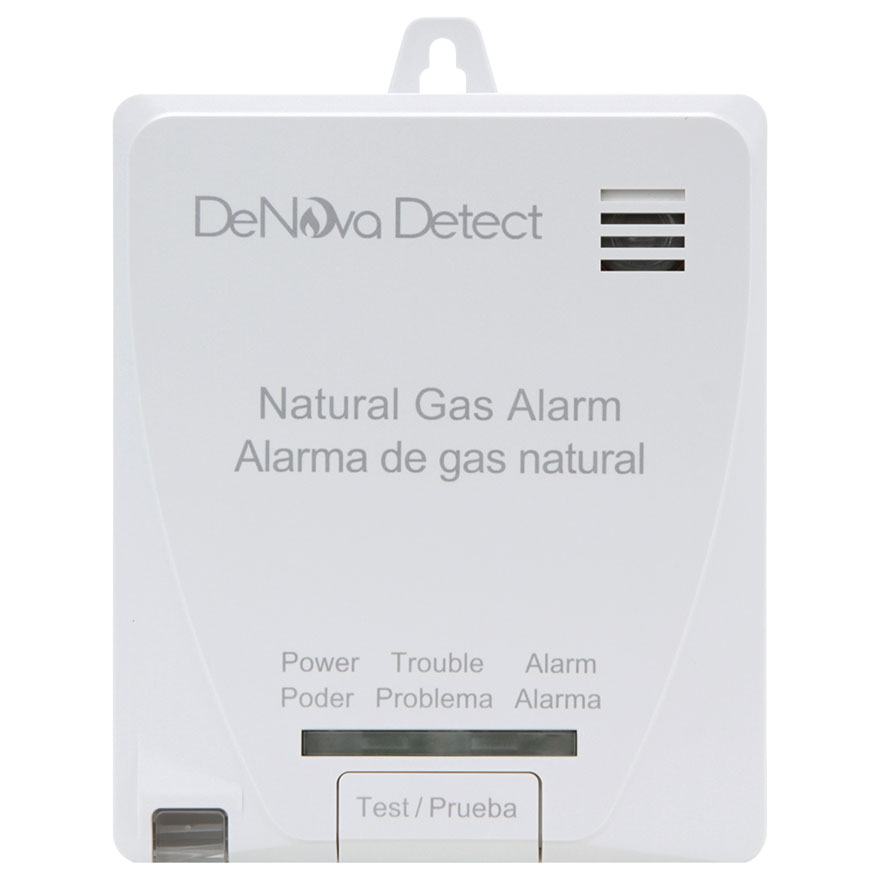
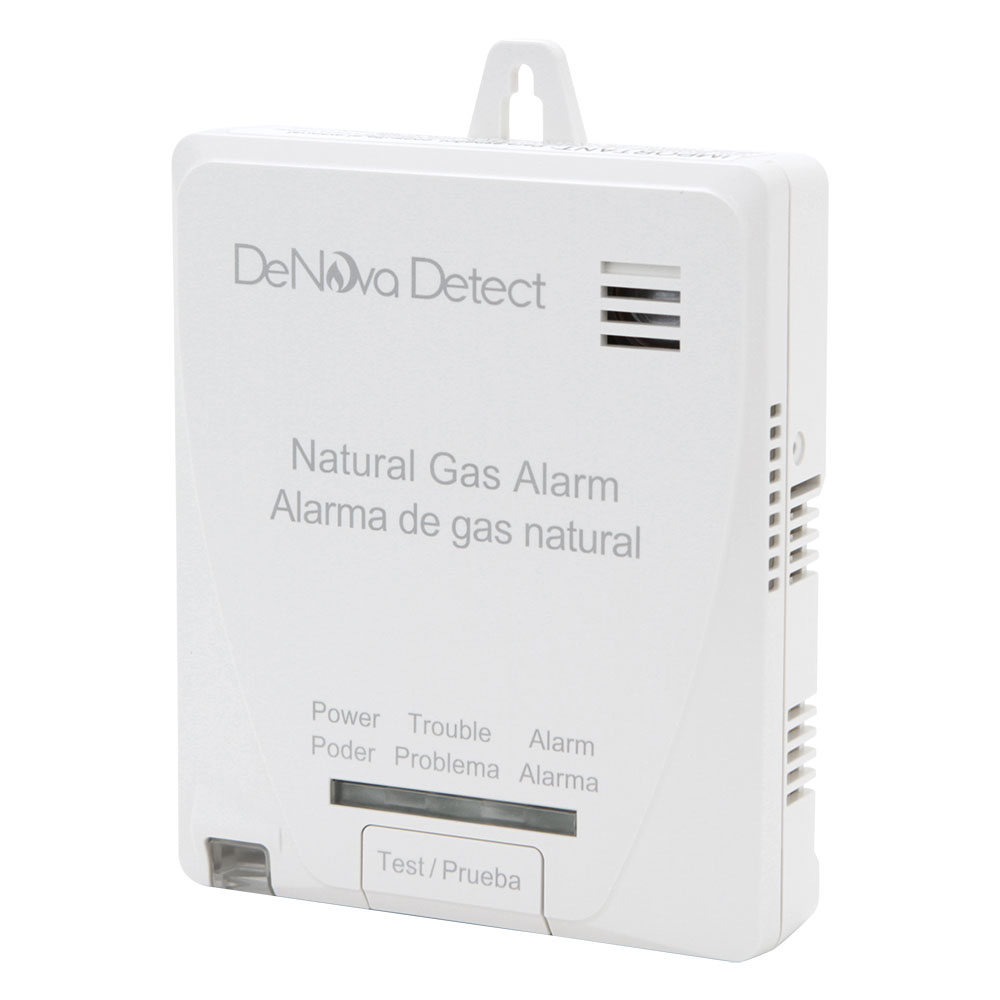
Natural gas is lighter than air and rises rapidly. In the Centreville event, gas would have pooled at the ceiling long before it was strong enough to be detected by human smell at ground level. DeNova Detect Alarms are battery-powered, allowing you to mount them at the ceiling, detecting leaks up to 11 minutes faster than standard plug-in models.
Disturbingly, residents in the community reported smelling the distinct "rotten egg" odor of natural gas as early as that Sunday morning. Washington Gas crews were reportedly on-site and digging in the area when the house finally exploded, highlighting the volatile window of time between a leak's detection and a catastrophic ignition.
Is Your Home Protected Against Methane Leaks?
Don't wait for a "rotten egg" smell. Get the only 10-year battery-powered protection available.
View the 10-Year Natural Gas AlarmRelated Products
Denova Detect Store Past News Articles
Browse the latest Denova Detect Store news, product updates, buying guides, safety tips, promotions, and store announcements.
America's First 5-Year Battery Propane Alarm: DeNova Detect DD720PV
Natural Gas Explosion in Athens, Greece: 6 Dead in Plaka Building Collapse
Granville, Vermont House Explosion: 2 Dead and 3 Injured in Propane Gas Blast
Bloomington House Explosion: 8 Hospitalized in McLean County Blast
U.S. Natural Gas Explosions & Residential Gas Incidents in July 2026
Illinois HB 3652 & July 2026 U.S. Natural Gas Explosions & Incidents
NYC Local Law 157 Guide: LL157 Requirements for Natural Gas Detectors
Home Gas Explosions: The Rising Danger Next Door
NYC LL157 Gas Detector Law: Local Law 157 Compliance Guide
Gas Leak Preceded San Antonio House Explosions
Deadly House Explosion in Wonder Lake
Des Plaines Natural Gas Explosion

San Antonio Gas Explosion: Councilman Whyte Demands Answers
Pennsylvania House Passes New Gas Alarm Law (HB 1522)

Will a Carbon Monoxide Alarm Detect Natural Gas and What Does a Gas Leak Smell Like?
Assembly Bill 1725: A New Era for Methane Safety in California (Why You Should Act Now)
The Centreville Natural Gas Explosion: A Stark Reminder of Infrastructure Vulnerability

Natural Gas Alarm Laws: What You Need to Know
Where Gas Incidents Are Rising, Why Certain Communities Face Greater Danger
Why You Should Buy Natural Gas Alarms: The DeNova Detect Safety Advantage

Superior Detection Speed Against Widespread Fuel Explosion Events
DeNova Detect Early Warning: Why 10% LEL Natural Gas Alarms Save Lives

DeNova Detect Can Save You up to 37% When Compared to Natural Gas Plug-in Alarms
State of Maine Introduces New Natural Gas Alarm Law: Is Your Home Safe?
How to Protect Your Family from This Explosive Household Hazard
DeNova Natural Gas Alarms: Why & How You Should Protect Your Home
DeNova Natural Gas Alarm Features & Installation Guide