
Denova Detect Store News Articles
Explore recent Denova Detect Store news, product announcements, helpful buying guides, safety resources, promotions, and store updates.
America's First 5-Year Battery Propane Alarm: DeNova Detect DD720PV
Shop the DeNova Detect DD720PV propane alarm. This 5-year battery-powered propane detector alerts up to 11 minutes faster to protect against LP gas leaks.
Natural Gas Explosion in Athens, Greece: 6 Dead in Plaka Building Collapse
Comprehensive report on the fatal natural gas explosion in Athens, Greece. Details on the Plaka district building collapse, casualties and causes.
Granville, Vermont House Explosion: 2 Dead and 3 Injured in Propane Gas Blast
Official report on the fatal Granville, VT house explosion on Connecticut Trail. Details on Addison County casualties, damage, and state propane leak findings.
Bloomington House Explosion: 8 Hospitalized in McLean County Blast
A house explosion west of Bloomington, IL leaves 8 hospitalized. Learn the warning signs of natural gas leaks and how to stay safe.
U.S. Natural Gas Explosions & Residential Gas Incidents in July 2026
Discover U.S. natural gas explosion trends and stats in the United States during July. Protect your home from gas leaks with a DeNova Detect natural gas alarm.
Illinois HB 3652 & July 2026 U.S. Natural Gas Explosions & Incidents
Explore Illinois HB 3652 (Fuel Gas Detector Act) compliance details alongside 26 documented state gas explosion incidents.
NYC Local Law 157 Guide: LL157 Requirements for Natural Gas Detectors
NYC Local Law 157 Compliance Guide: Key LL157 Requirements for Natural Gas Alarms
Home Gas Explosions: The Rising Danger Next Door
Home gas explosions are a rising danger across the United States. Let's take a look at six years of data that show a steady increase in these incidents.
NYC LL157 Gas Detector Law: Local Law 157 Compliance Guide
Complete NYC Local Law 157 (LL157) guide for landlords & homeowners. Learn gas detector requirements, UL 1484 rules, ceiling placement, and the 2027 deadline
Gas Leak Preceded San Antonio House Explosions
Source of two home explosions in North Side San Antonio neighborhood last month traced to an underground gas line.
Deadly House Explosion in Wonder Lake
A fatal home explosion completely leveled a residence and heavily damaged neighboring properties in Wonder Lake, Illinois.
Des Plaines Natural Gas Explosion
Four people were injured in a devastating Des Plaines apartment building fire and reported explosion that triggered heavy flames.

San Antonio Gas Explosion: Councilman Whyte Demands Answers
San Antonio Councilman Marc Whyte and the NTSB investigate dual gas explosions on the Northeast Side. Learn why "odor fade" makes early detection critical.
Pennsylvania House Passes New Gas Alarm Law (HB 1522)
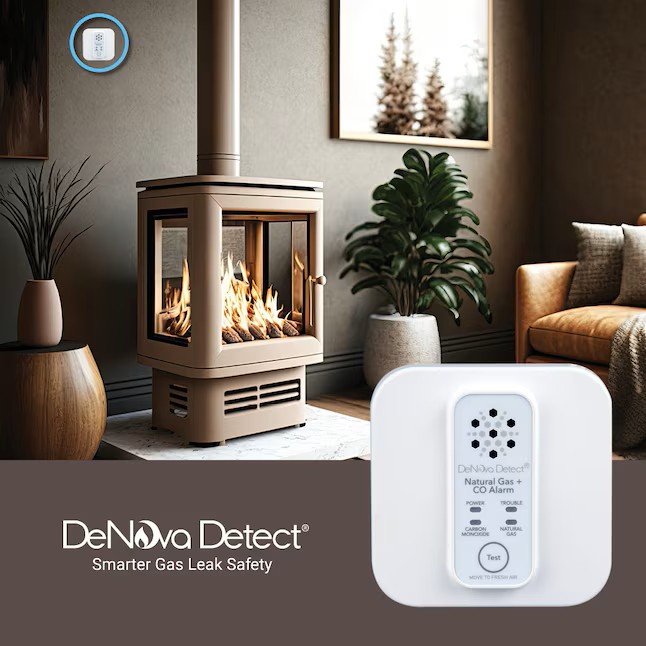
Pennsylvania has passed House Bill 1522, requiring gas alarms to prevent tragedies like the 2023 West Reading explosion.
Will a Carbon Monoxide Alarm Detect Natural Gas and What Does a Gas Leak Smell Like?
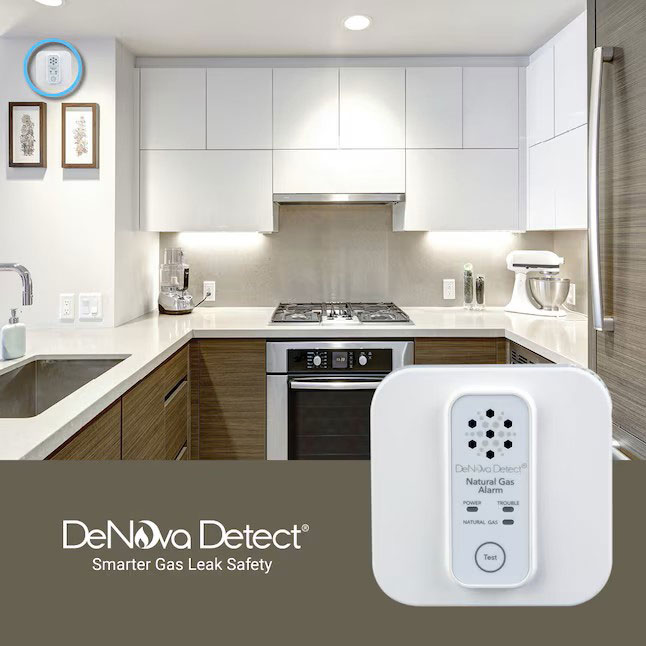
Your carbon monoxide alarm can’t sense a natural gas leak, leaving your home vulnerable to explosions unless you have a natural gas detector.
Assembly Bill 1725: A New Era for Methane Safety in California (Why You Should Act Now)
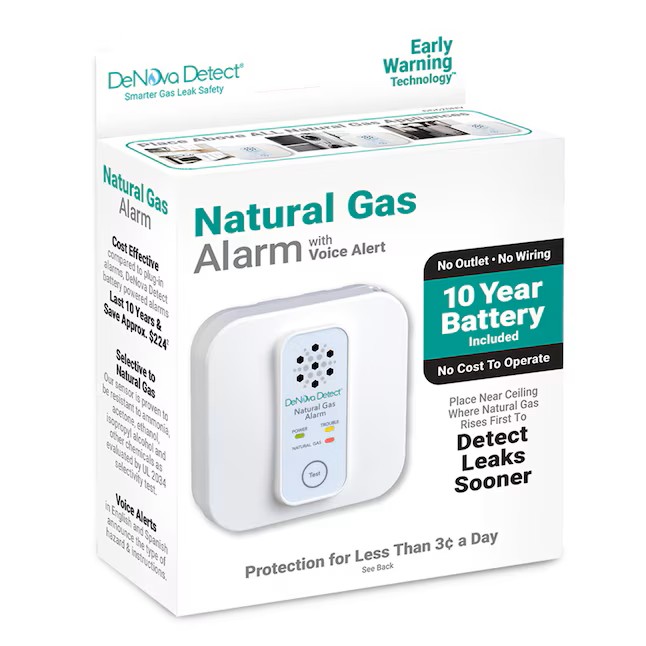
Proposed California AB 1725 mandates methane disclosures and alarm systems for residential properties near oil wells.
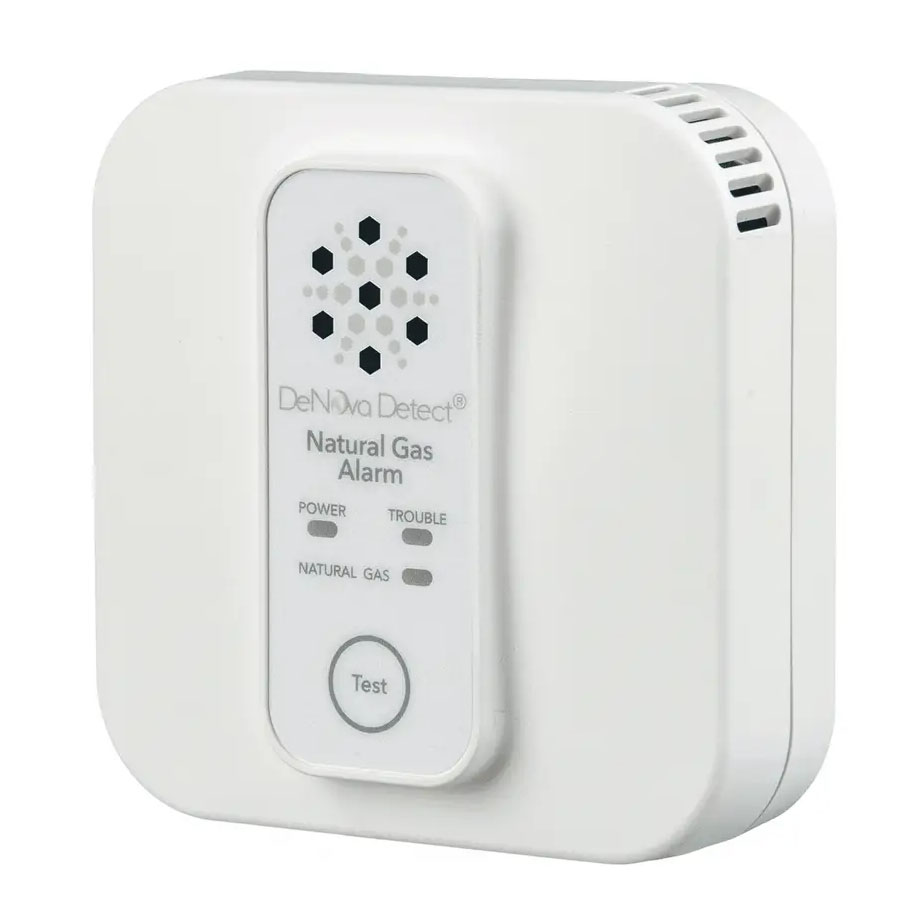
The Centreville Natural Gas Explosion: A Stark Reminder of Infrastructure Vulnerability
The 2026 Centreville explosion serves as a powerful reminder of the importance of early detection technology, such as DeNova Detect Natural Gas Alarms.

Natural Gas Alarm Laws: What You Need to Know
Learn where natural gas alarms are legally required and why installing a UL-listed detector is critical for protecting your home from methane gas leaks.
Where Gas Incidents Are Rising, Why Certain Communities Face Greater Danger
Where gas incidents are rising, why certain communities face greater danger, and how early detection with a natural gas detector closes the gap
Why You Should Buy Natural Gas Alarms: The DeNova Detect Safety Advantage
If you are looking to buy natural gas alarms, DeNova Detect offers the only 100% battery-powered solution in the U.S. that provides a full 10-year service life.

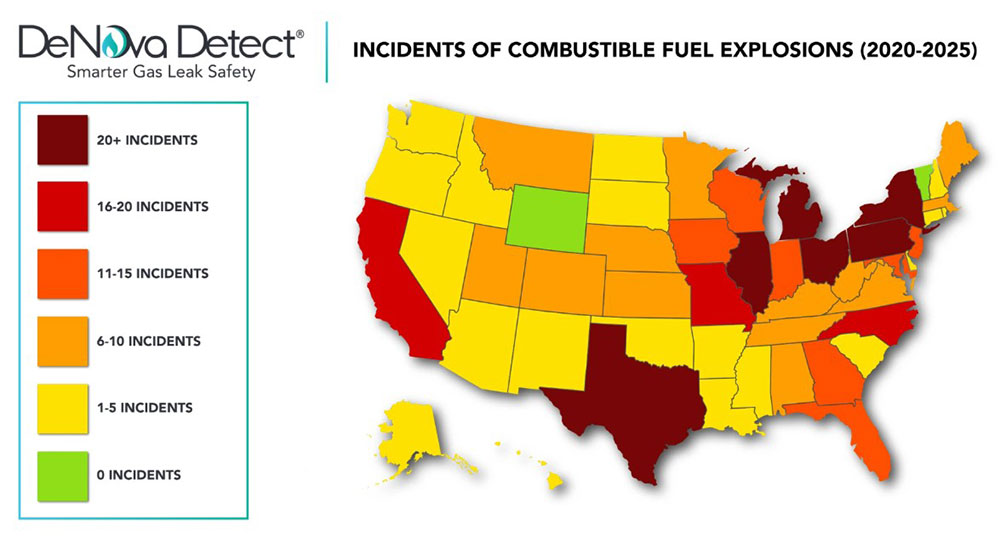
Superior Detection Speed Against Widespread Fuel Explosion Events
The DeNova Detect Alarm offers a vital defense against the hundreds of combustible fuel explosion events recorded nationwide (2020–2025).
DeNova Detect Early Warning: Why 10% LEL Natural Gas Alarms Save Lives
Learn why early detection at 10% LEL is critical for home safety. Compare DeNova Detect MEMS sensor technology to traditional natural gas alarms.

DeNova Detect Can Save You up to 37% When Compared to Natural Gas Plug-in Alarms
Say you implement three plug-in natural gas alarms in your home. You're looking at additional battery purchases and electricity costs.
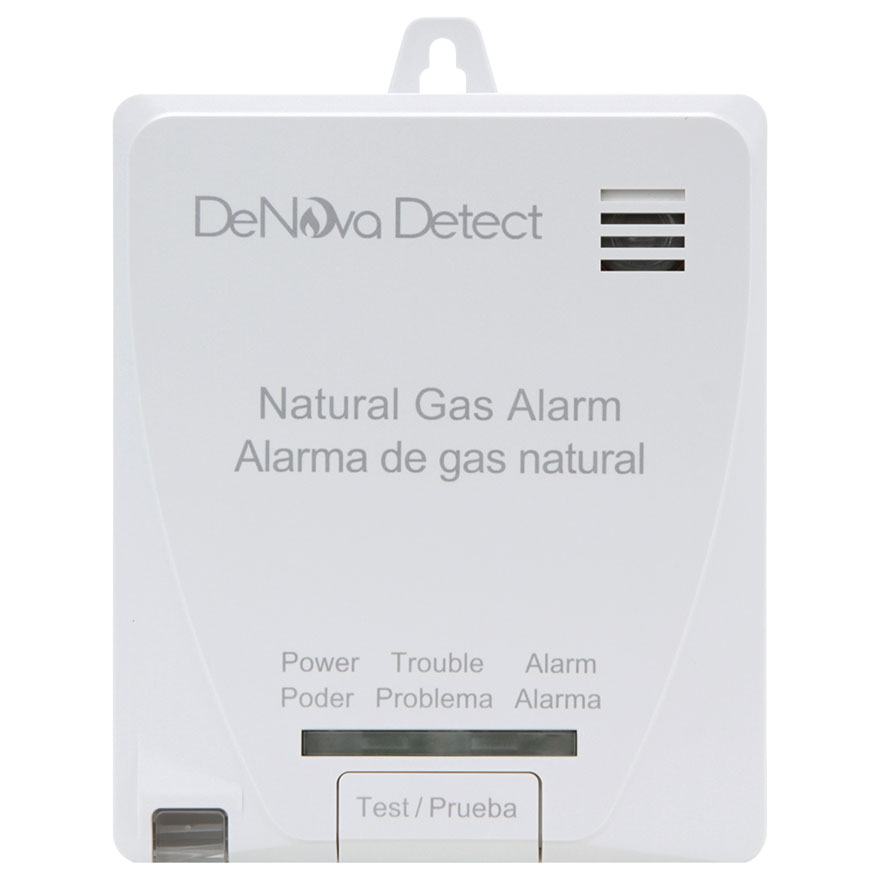
State of Maine Introduces New Natural Gas Alarm Law: Is Your Home Safe?
The Department of Public Safety introduces New Natural Gas Alarm Law. Protect your home and family from the dangers of natural gas with a DeNova Natural Gas Alarm.
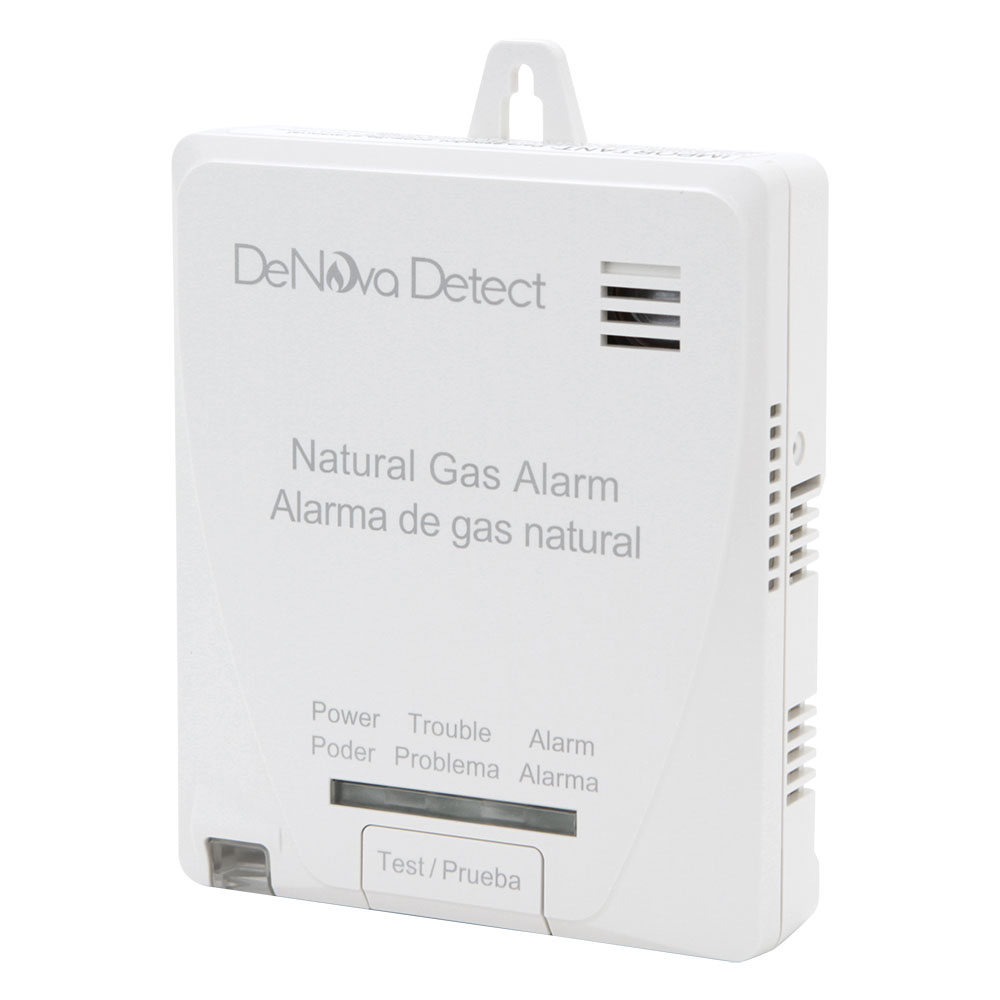
How to Protect Your Family from This Explosive Household Hazard
DeNova Detect Natural Gas Alarms have been designed with leading sensor technology, providing the fastest response time to natural gas leaks.
DeNova Natural Gas Alarms: Why & How You Should Protect Your Home
DeNova Natural Gas Detectors are easy to install and offer a faster response time to natural gas when compared to other models.
DeNova Natural Gas Alarm Features & Installation Guide
New Cosmos Natural Gas Alarms use revolutionary sensing technology to protect homeowners and business owners from the threat of natural gas.