
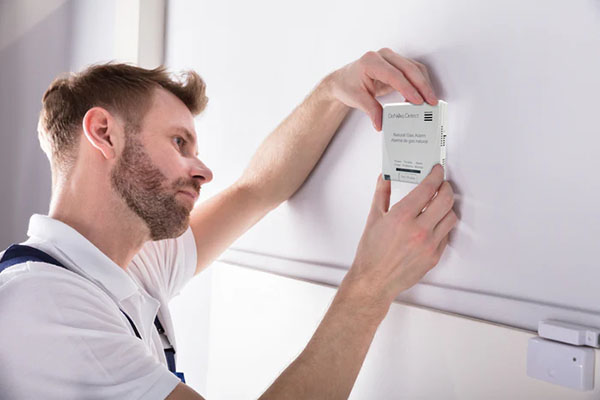
Des Plaines Fire Safety Report
The recent apartment fire and natural gas explosion in Des Plaines, Illinois, left four people injured and many more displaced. Local news reports highlight the terrifying sound of a "very big explosion" before heavy flames destroyed the building. While fire investigators work to confirm the official cause, the incident serves as a stark warning about the natural gas explosion causes that threaten residential safety.
Why Early Detection Saves Lives
In the event of a gas leak, every second matters. Traditional alarms for smoke or carbon monoxide (CO) are essential for any home, but they are not designed to detect the presence of explosive gas. To prevent a disaster like the one in Des Plaines, families should prioritize natural gas safety in the home.
The 11-Minute Advantage
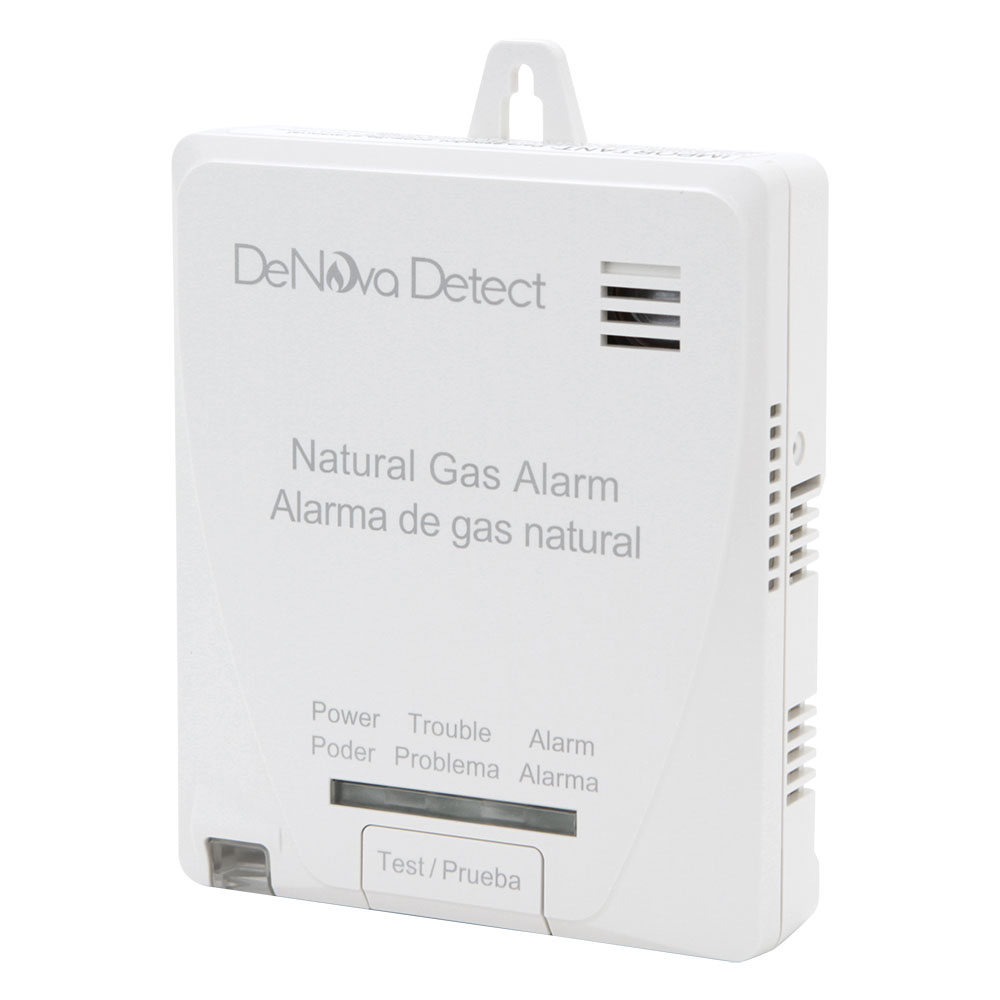
Natural gas builds up until it reaches a "Lower Explosive Limit" (LEL). Denova Detect Alarms sense gas leaks up to 11 minutes faster than competing brands, providing life-saving time to evacuate.
Battery-Powered Reliability
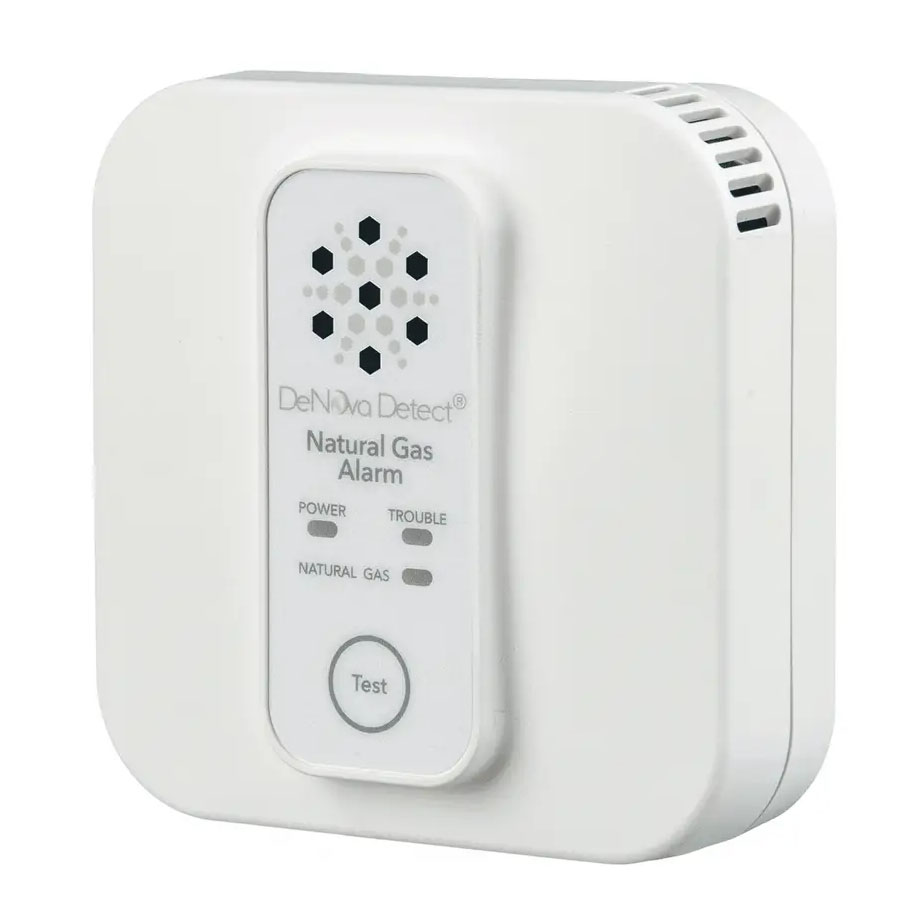
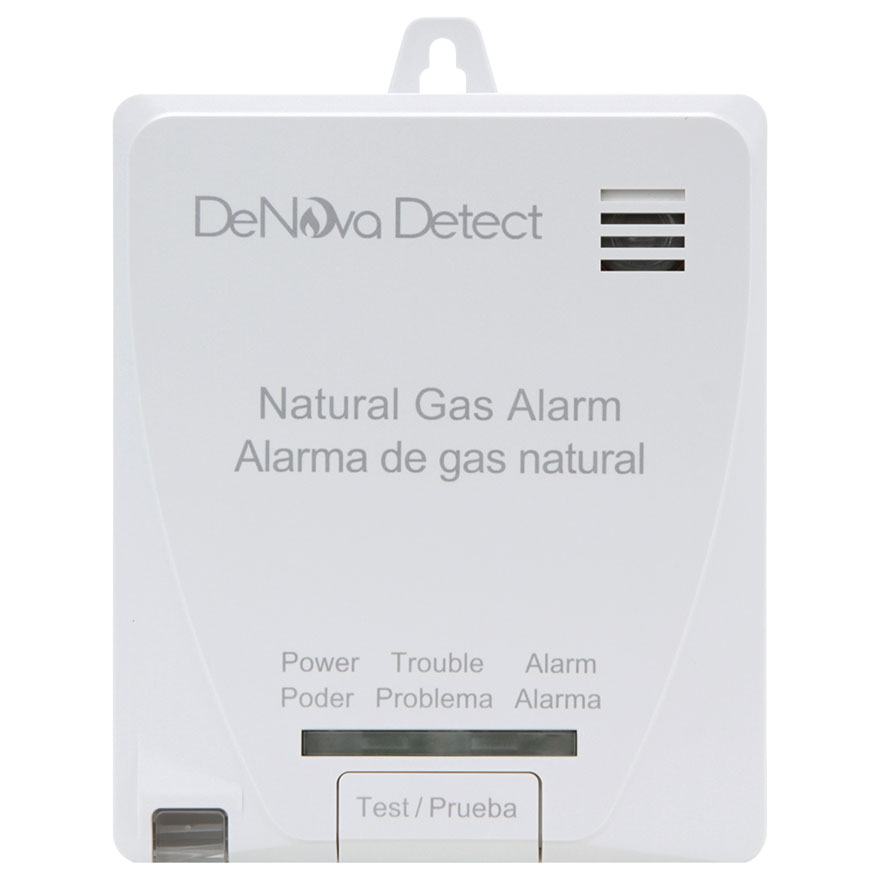
Most gas leaks in a house happen near major appliances. Denova Detect Natural Gas Detectors are the world's first battery-powered gas alarms, staying active even during power outages to provide 24/7 protection.
Comparing Household Safety Alarms
It is a common mistake to assume a CO detector will catch a gas leak. Use the table below to understand the distinct roles of these safety devices:
| Feature | Carbon Monoxide Alarm | Natural Gas Alarm |
|---|---|---|
| Primary Target | Poisonous CO gas | Methane (Natural Gas) |
| Optimal Placement | Near sleeping areas | Within 12 inches of the ceiling |
| Main Danger | Internal poisoning | Instant natural gas explosion |
Critical Safety Steps for Residents
Protecting your home involves both the right equipment and the right safety habits. If you suspect a natural gas leak, follow these steps immediately:
- Install Dedicated Sensors: Place natural gas alarms in every room with a gas appliance (stove, water heater, or furnace).
- Know the "Rotten Egg" Smell: Gas companies add an odorant, but sensors are much more reliable than the human nose for gas leak detection.
- Do Not Use Electronics: If you suspect a leak, do not flip light switches or use your phone inside. A tiny spark can trigger an explosion.
- Call From Outside: Once you are a safe distance away from the building, call 911 or your local utility.
Upgrade Your Home Safety Ecosystem
Don't wait for a tragedy to happen. Modern technology has made detecting a gas leak easier and more reliable than ever.
Shop Denova Detect AlarmsRelated Products
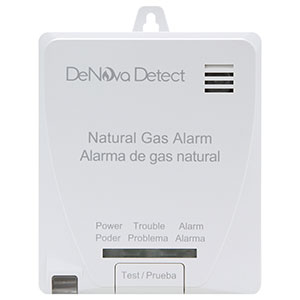
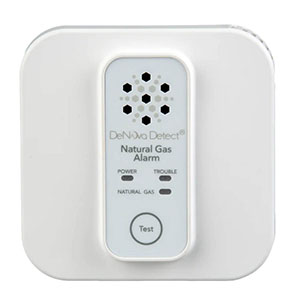
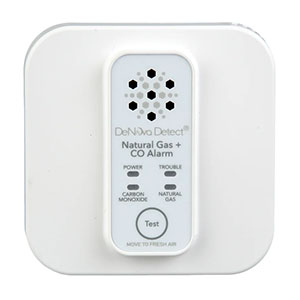
Denova Detect Store Past News Articles
Browse the latest Denova Detect Store news, product updates, buying guides, safety tips, promotions, and store announcements.
Granville, Vermont House Explosion: 2 Dead and 3 Injured in Propane Gas Blast
Bloomington House Explosion: 8 Hospitalized in McLean County Blast
U.S. Natural Gas Explosions & Residential Gas Incidents in July 2026
Illinois HB 3652 & July 2026 U.S. Natural Gas Explosions & Incidents
NYC Local Law 157 Guide: LL157 Requirements for Natural Gas Detectors
Home Gas Explosions: The Rising Danger Next Door
NYC LL157 Gas Detector Law: Local Law 157 Compliance Guide
Gas Leak Preceded San Antonio House Explosions
Deadly House Explosion in Wonder Lake
Des Plaines Natural Gas Explosion
San Antonio Gas Explosion: Councilman Whyte Demands Answers
Pennsylvania House Passes New Gas Alarm Law (HB 1522)
Will a Carbon Monoxide Alarm Detect Natural Gas and What Does a Gas Leak Smell Like?
Assembly Bill 1725: A New Era for Methane Safety in California (Why You Should Act Now)
The Centreville Natural Gas Explosion: A Stark Reminder of Infrastructure Vulnerability

Natural Gas Alarm Laws: What You Need to Know
Where Gas Incidents Are Rising, Why Certain Communities Face Greater Danger
Why You Should Buy Natural Gas Alarms: The DeNova Detect Safety Advantage

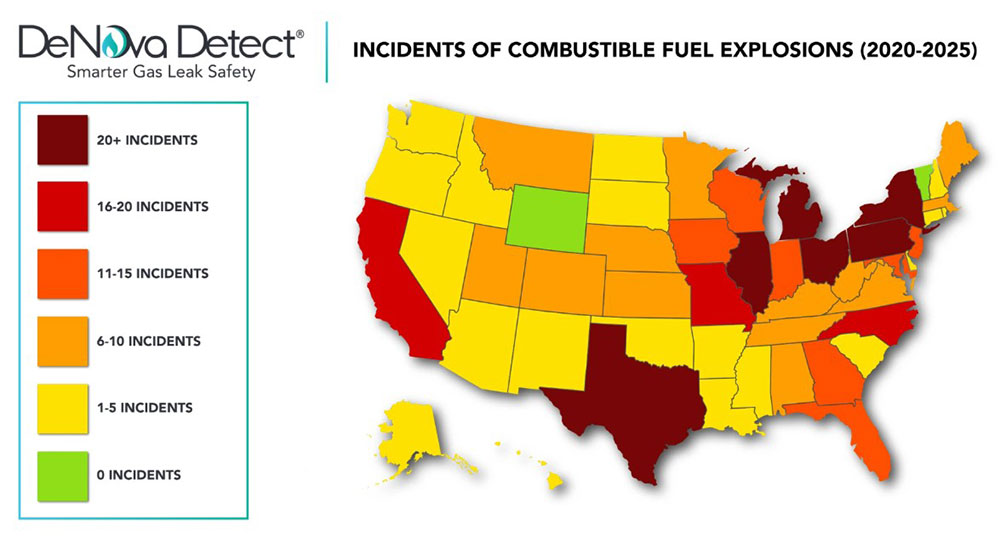
Superior Detection Speed Against Widespread Fuel Explosion Events
DeNova Detect Early Warning: Why 10% LEL Natural Gas Alarms Save Lives
DeNova Detect Can Save You up to 37% When Compared to Natural Gas Plug-in Alarms
State of Maine Introduces New Natural Gas Alarm Law: Is Your Home Safe?
How to Protect Your Family from This Explosive Household Hazard
DeNova Natural Gas Alarms: Why & How You Should Protect Your Home
DeNova Natural Gas Alarm Features & Installation Guide