
Natural Gas Alarms Are Now Required in New York City
Here's What You Need to Know About Local Law 157
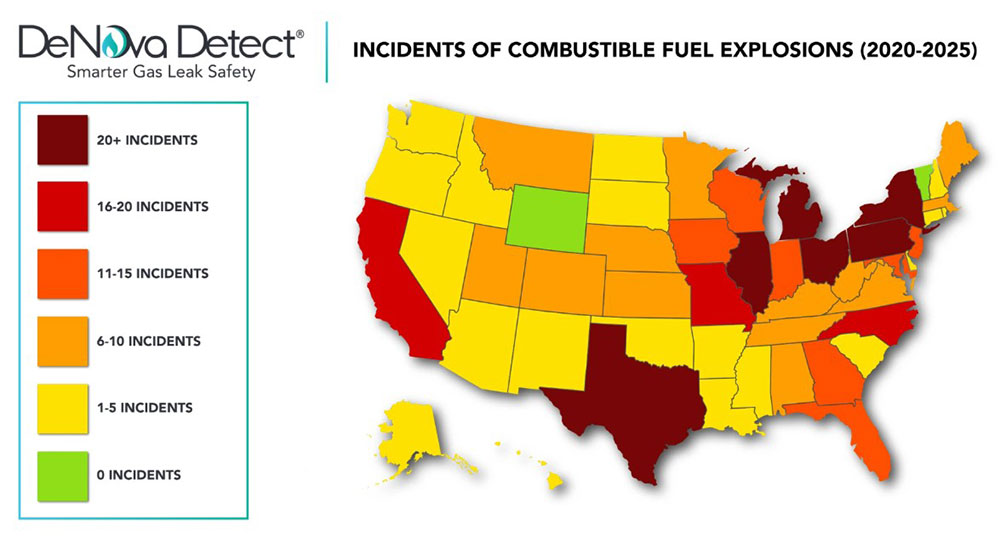
New York City passed Local Law 157 (LL157) in direct response to tragic gas explosions across the boroughs. This foundational safety mandate requires natural gas alarms to be installed in residential buildings across NYC to mitigate the risks of undetected gas leaks and gas explosions.
Staying on top of the strict compliance updates for ll157 requirements nyc is crucial for building owners to properly protect properties and ensure occupants stay safe.
🗓️ Direct Compliance Mandate
The definitive enforcement rollout timeline dictates that all covered residential structures in NYC must be completely equipped with compliant local law 157 natural gas detectors by January 1, 2027.
The safety law is comprehensive and covers a large footprint of NYC real estate. Installation is required in any structure containing a natural gas appliance or utility line, including:
- Private dwellings: One and two-family houses.
- Class A multiple dwellings: Permanent residential buildings and apartments (including rentals, co-ops, and condominiums).
- Class B multiple dwellings: Transient housing structures such as hotels, lodging houses, and dormitories.
Alarms must protect any area containing a natural gas appliance. Common target zones include:
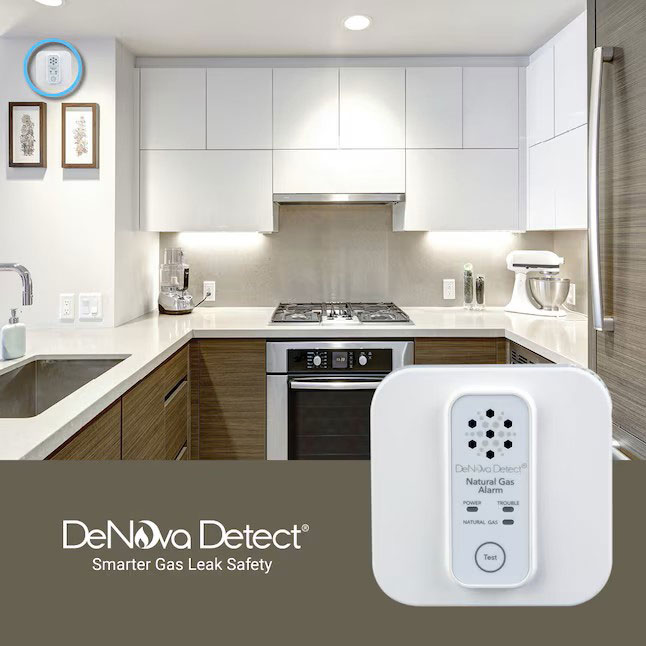
- Kitchens (near gas stoves and cooking ranges)
- Laundry areas (near gas clothes dryers)
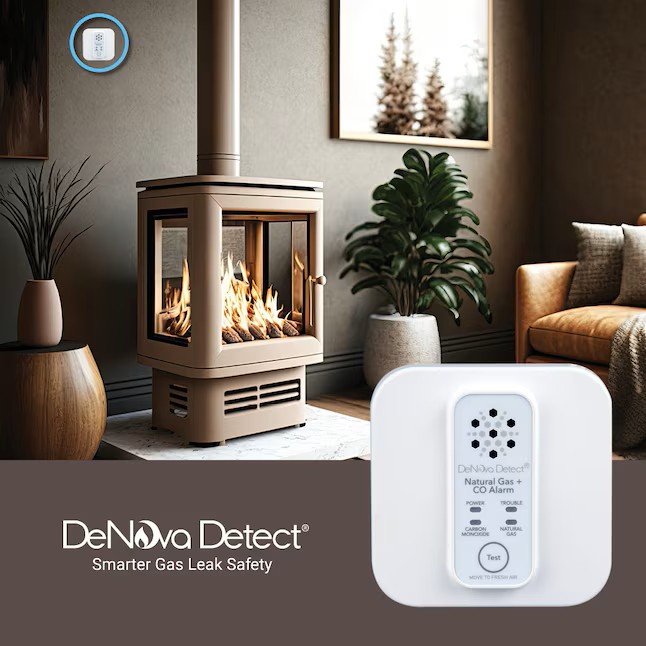
- Utility spaces (near gas water heaters)
- Boiler and mechanical rooms
The mandate specifies that protection must extend seamlessly through both private spaces (individual apartments) and common or public building areas.
Property owners cannot rely on standard gas sensors. Devices must be rigorously tested to meet specific structural, domestic safety standards:
| Requirement | Mandated Code Compliance |
|---|---|
| Product Safety Listing | Alarms must be explicitly certified and labeled to meet the UL 1484 standard. |
| Installation Benchmark | Alarms must fully comply with the NFPA 715 standard. |
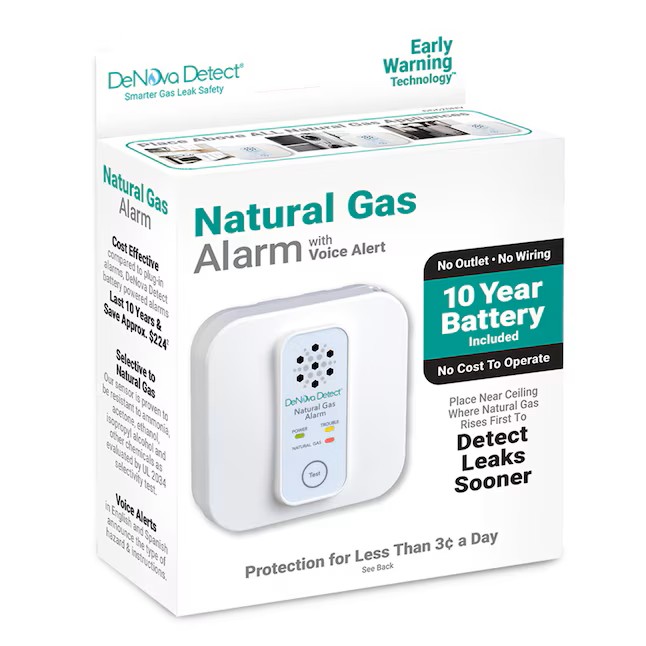
| Permitted Power Options | 10-year sealed battery-operated alarms (no battery replacements needed), hardwired with backup, or plug-in with backup. |
💡 Mounting High Matters
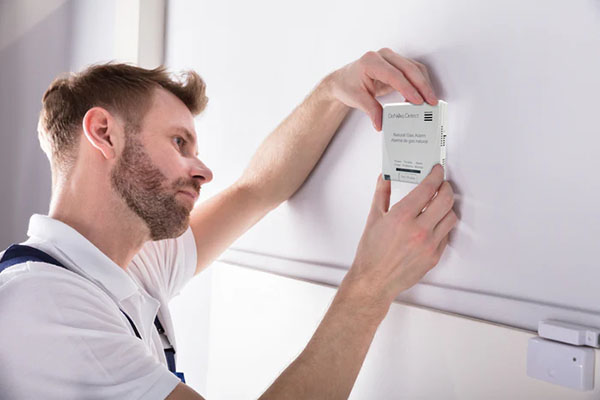
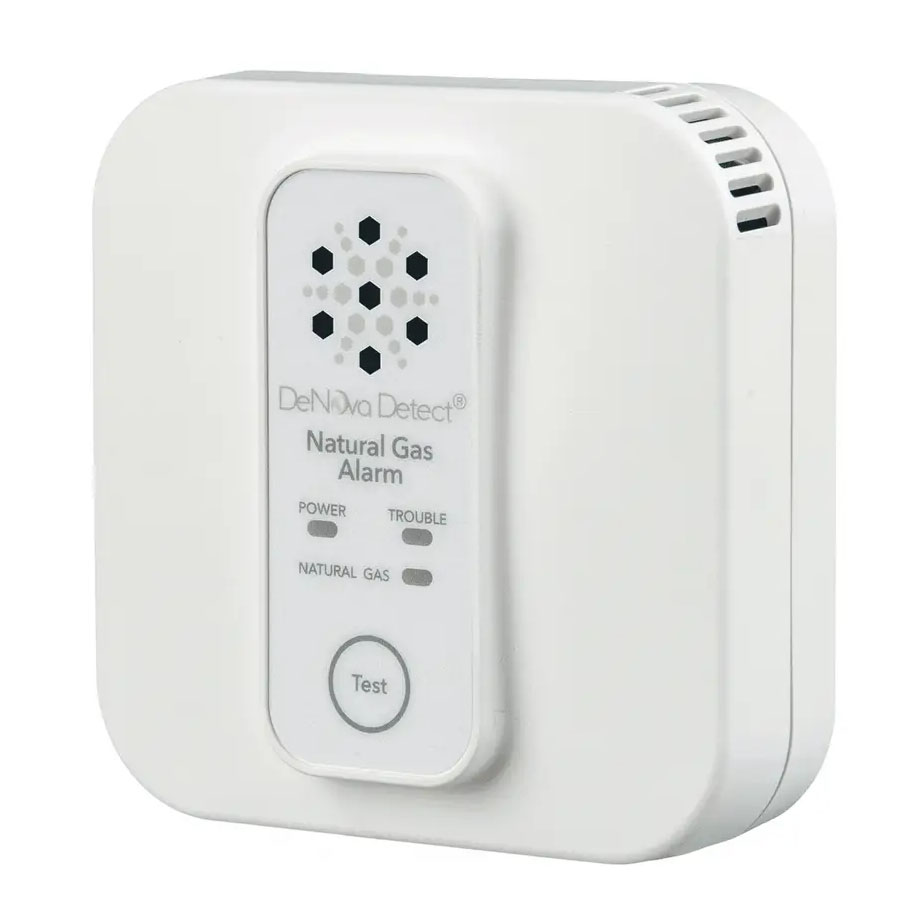
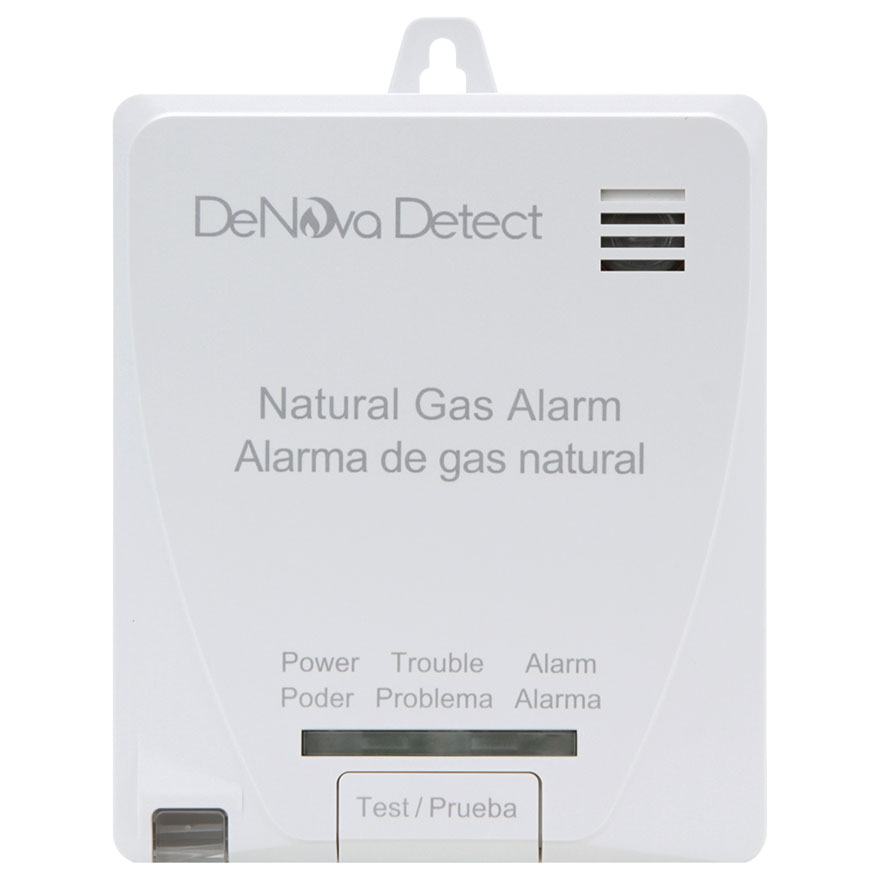
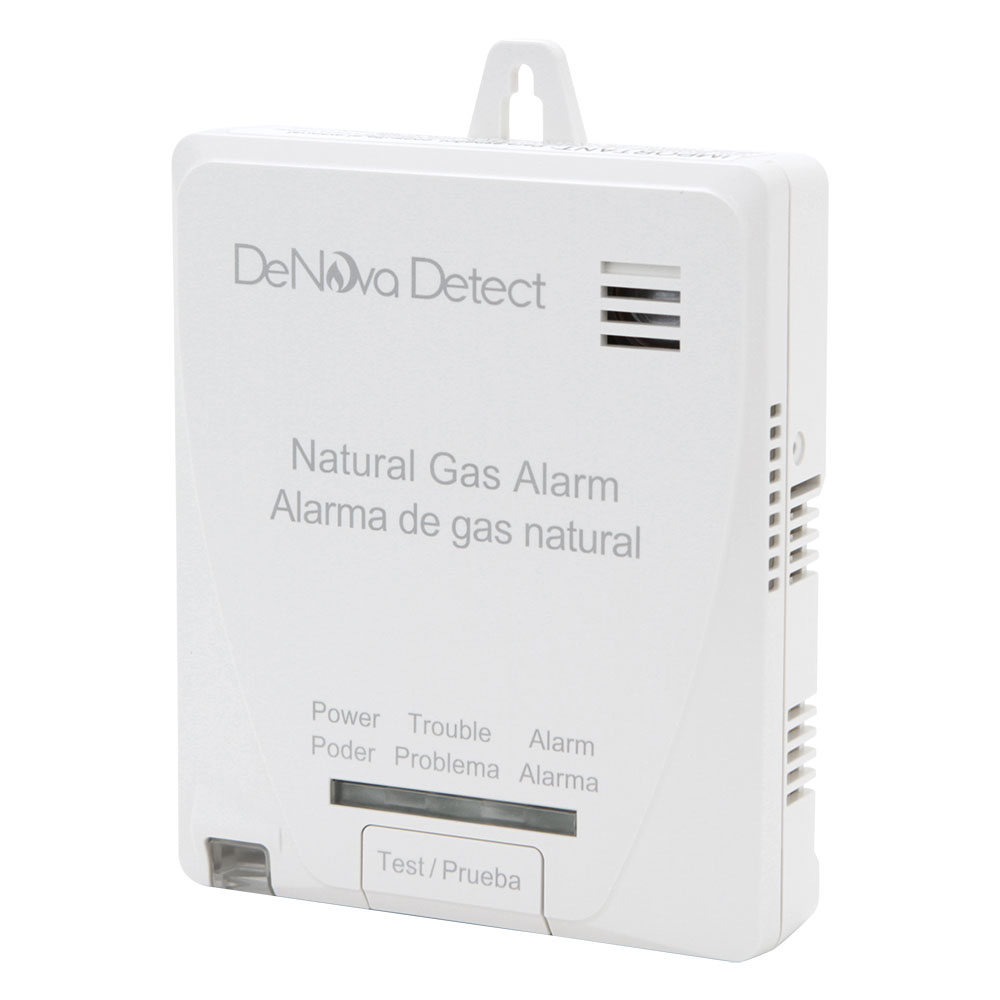
Natural gas is lighter than air and rises rapidly toward the ceiling. Since ll157 gas detectors must be mounted high to work effectively, plug-in detectors are often impractical because standard outlets sit low on the wall. DeNova Detect 10-year battery-operated alarms mount easily near the ceiling without any messy cords or expensive wiring layout updates.
To comply with city codes, detectors must be positioned according to strict distance and height rules:
- Ceiling Proximity: Placement should be directly on the ceiling, or on the wall within 12 inches (1 foot) from the ceiling.
- Distance from Appliances: Alarms should be horizontally placed between 3 feet and 10 feet from any gas appliance. (For specialized kitchen stoves, the ideal horizontal alignment sits at 5 to 10 feet).
NYC law divides gas safety duties between landlords and tenants like this:
Property Owner Responsibilities:
- Purchase and install compliant, approved natural gas alarms.
- Ensure all installed alarms are properly located according to height rules.
- Manage ongoing lifecycle replacement at the end of the device's useful lifespan.
Tenant Responsibilities:
- Regularly run a quick safety check by pressing the test button to make sure the alerts are working perfectly
- Replace any alarm that is intentionally removed, missing, damaged, or rendered inoperable due to tenant.
Denova Detect Store Past News Articles
Browse the latest Denova Detect Store news, product updates, buying guides, safety tips, promotions, and store announcements.
Granville, Vermont House Explosion: 2 Dead and 3 Injured in Propane Gas Blast
Bloomington House Explosion: 8 Hospitalized in McLean County Blast
U.S. Natural Gas Explosions & Residential Gas Incidents in July 2026
Illinois HB 3652 & July 2026 U.S. Natural Gas Explosions & Incidents
NYC Local Law 157 Guide: LL157 Requirements for Natural Gas Detectors
Home Gas Explosions: The Rising Danger Next Door
NYC LL157 Gas Detector Law: Local Law 157 Compliance Guide
Gas Leak Preceded San Antonio House Explosions
Deadly House Explosion in Wonder Lake
Des Plaines Natural Gas Explosion

San Antonio Gas Explosion: Councilman Whyte Demands Answers
Pennsylvania House Passes New Gas Alarm Law (HB 1522)
Will a Carbon Monoxide Alarm Detect Natural Gas and What Does a Gas Leak Smell Like?
Assembly Bill 1725: A New Era for Methane Safety in California (Why You Should Act Now)
The Centreville Natural Gas Explosion: A Stark Reminder of Infrastructure Vulnerability

Natural Gas Alarm Laws: What You Need to Know
Where Gas Incidents Are Rising, Why Certain Communities Face Greater Danger
Why You Should Buy Natural Gas Alarms: The DeNova Detect Safety Advantage

Superior Detection Speed Against Widespread Fuel Explosion Events
DeNova Detect Early Warning: Why 10% LEL Natural Gas Alarms Save Lives

DeNova Detect Can Save You up to 37% When Compared to Natural Gas Plug-in Alarms
State of Maine Introduces New Natural Gas Alarm Law: Is Your Home Safe?
How to Protect Your Family from This Explosive Household Hazard
DeNova Natural Gas Alarms: Why & How You Should Protect Your Home
DeNova Natural Gas Alarm Features & Installation Guide