
U.S. Natural Gas Explosions & Residential Gas Incidents: 2026 Data Analysis
Documented residential fuel and natural gas explosions across the United States reached 554 incidents between 2020 and July 31, 2026. Natural gas leaks remain the primary cause, accounting for nearly three-quarters of all residential gas explosion events nationwide.
Dominance of Natural Gas Leaks in Residential Explosions
From January 1, 2020, through July 31, 2026, 554 residential gas explosions occurred across the United States. Uncontrolled natural gas leaks caused 400 of these explosion incidents (72.2%), while propane gas leaks accounted for the remaining 154 events (27.8%).
Severe Human Toll: Natural Gas Explosion Injuries and Fatalities
Residential natural gas explosions cause devastating personal injuries and property destruction. Over the documented timeframe, these incidents resulted in 871 severe injuries and 273 deaths across the nation. On average, a residential gas explosion occurs somewhere in the U.S. every 4.3 days.
Regional Breakdown of Natural Gas Incidents
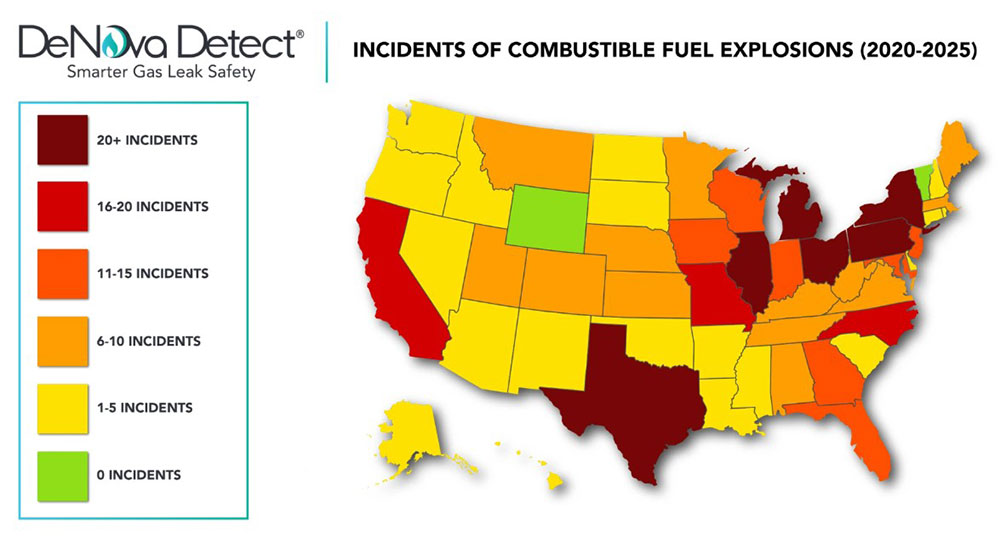
Natural gas incidents are distributed unevenly across regions, with the Midwest experiencing the highest volume at 196 total gas explosions (35.4%). The South follows with 155 documented natural gas leaks and explosions (28.0%), while the West and Northeast recorded 102 (18.4%) and 101 (18.2%) gas explosion events, respectively.
Natural Gas Explosion Breakdown & Historical Trajectory
Year-over-Year Trajectory 2020–2026
| 2020 | 54 Explosions |
| 2021 | 71 Explosions |
| 2022 | 71 Explosions |
| 2023 | 77 Explosions |
| 2024 | 89 Explosions |
| 2025 | 120 Explosions |
| 2026 (Through July 31) | 72 Explosions |
Total Incidents by Region 4 Regions
| Midwest | 196 (35.4%) |
| South | 155 (28.0%) |
| West | 102 (18.4%) |
| Northeast | 101 (18.2%) |
Preventing Natural Gas Explosions with Early Detection
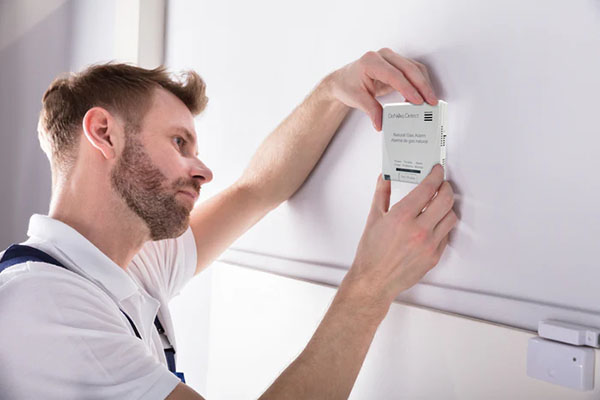
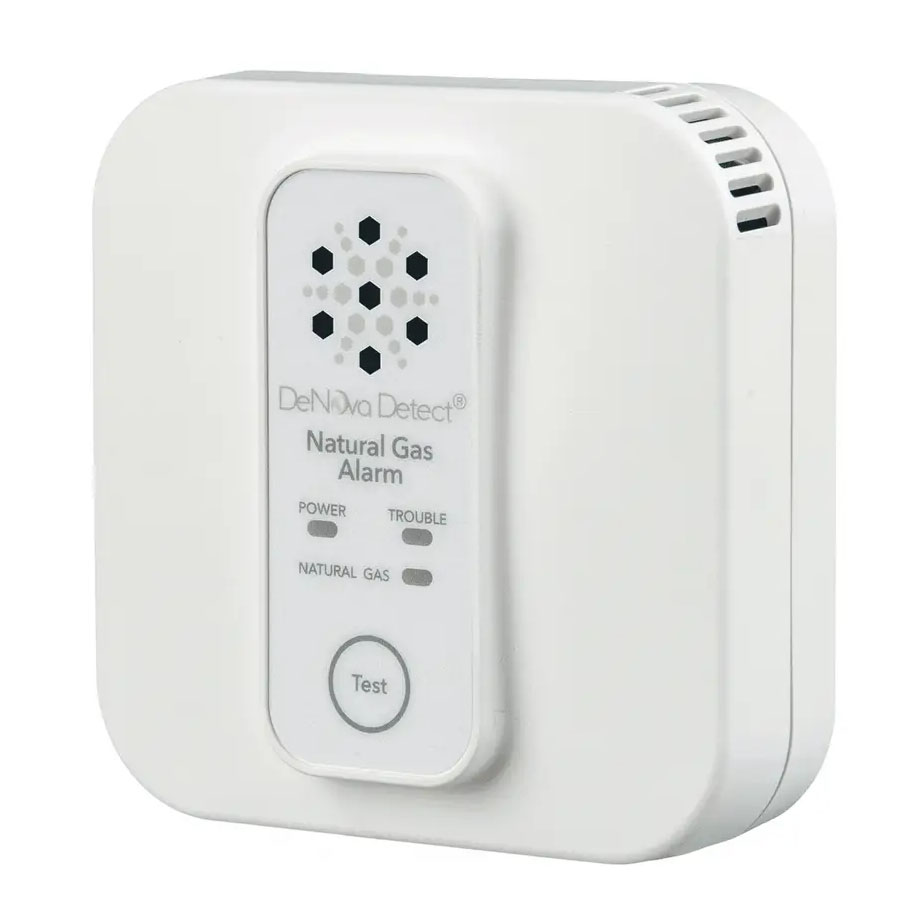
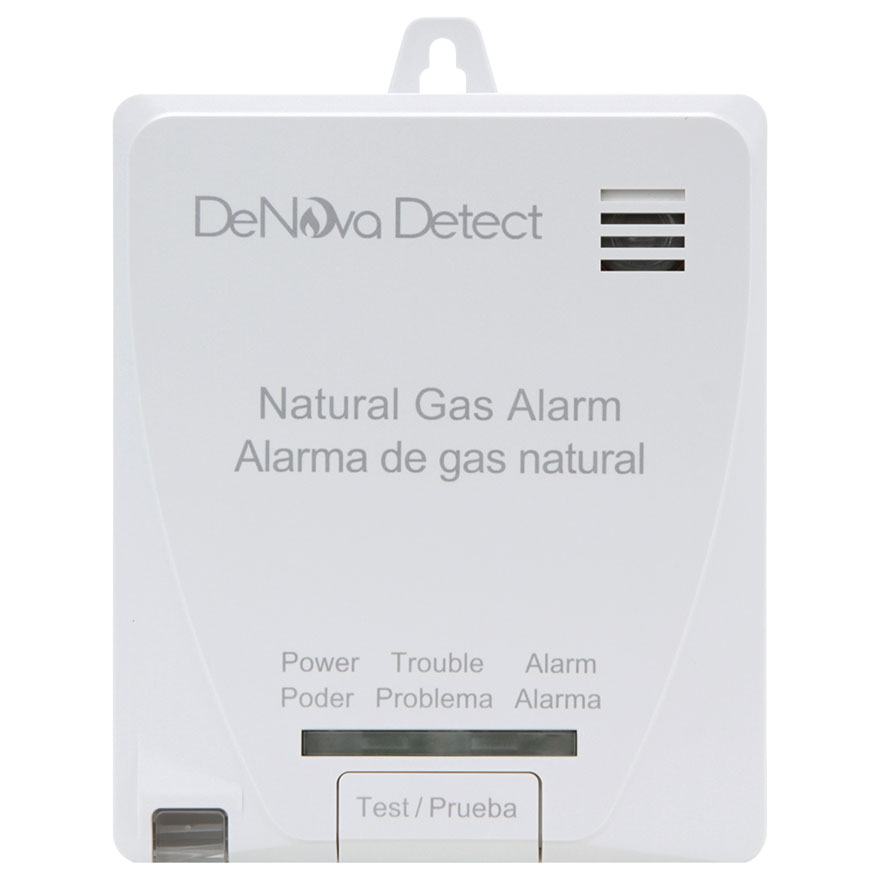
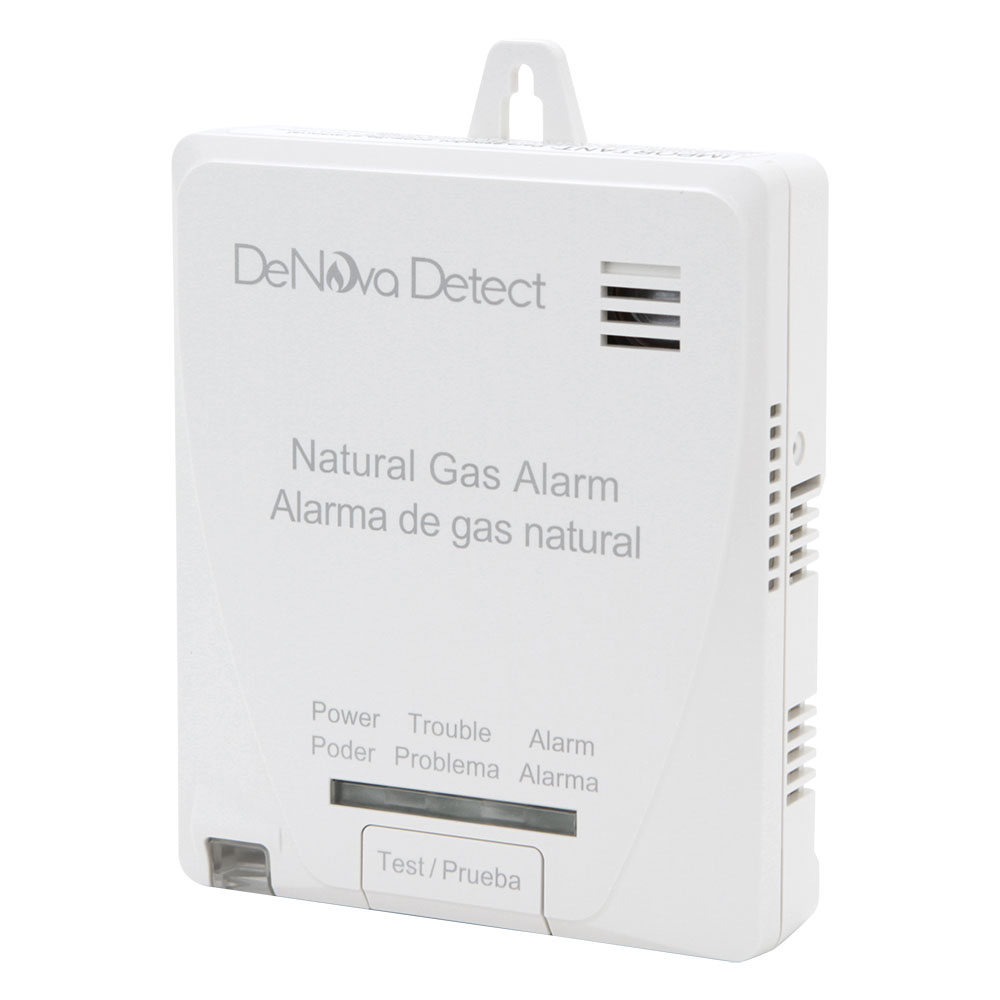
The high volume of gas leak explosions highlights the urgent need for public safety awareness, regular utility line inspections, and early-warning natural gas alarms. Installing a fast-acting DeNova Detect natural gas alarm can provide a life-saving response time by alerting homeowners to dangerous methane leaks well before explosive thresholds are reached. Utilizing a reliable residential natural gas detector, such as a 10-year battery-powered gas leak alarm or ceiling-mounted methane gas detector, ensures continuous household monitoring against unexpected utility leaks, home gas line ruptures, and catastrophic gas explosion hazards.
Related Products

Denova Detect Store Past News Articles
Browse the latest Denova Detect Store news, product updates, buying guides, safety tips, promotions, and store announcements.
Granville, Vermont House Explosion: 2 Dead and 3 Injured in Propane Gas Blast
Bloomington House Explosion: 8 Hospitalized in McLean County Blast
U.S. Natural Gas Explosions & Residential Gas Incidents in July 2026
Illinois HB 3652 & July 2026 U.S. Natural Gas Explosions & Incidents
NYC Local Law 157 Guide: LL157 Requirements for Natural Gas Detectors
Home Gas Explosions: The Rising Danger Next Door
NYC LL157 Gas Detector Law: Local Law 157 Compliance Guide
Gas Leak Preceded San Antonio House Explosions
Deadly House Explosion in Wonder Lake
Des Plaines Natural Gas Explosion

San Antonio Gas Explosion: Councilman Whyte Demands Answers

Pennsylvania House Passes New Gas Alarm Law (HB 1522)

Will a Carbon Monoxide Alarm Detect Natural Gas and What Does a Gas Leak Smell Like?
Assembly Bill 1725: A New Era for Methane Safety in California (Why You Should Act Now)
The Centreville Natural Gas Explosion: A Stark Reminder of Infrastructure Vulnerability

Natural Gas Alarm Laws: What You Need to Know
Where Gas Incidents Are Rising, Why Certain Communities Face Greater Danger
Why You Should Buy Natural Gas Alarms: The DeNova Detect Safety Advantage

Superior Detection Speed Against Widespread Fuel Explosion Events
DeNova Detect Early Warning: Why 10% LEL Natural Gas Alarms Save Lives

DeNova Detect Can Save You up to 37% When Compared to Natural Gas Plug-in Alarms
State of Maine Introduces New Natural Gas Alarm Law: Is Your Home Safe?
How to Protect Your Family from This Explosive Household Hazard
DeNova Natural Gas Alarms: Why & How You Should Protect Your Home
DeNova Natural Gas Alarm Features & Installation Guide