
NYC Local Law 157 (LL157): Natural Gas Detector Compliance Guide
New York City has established clear structural safety rules targeting residential hazards. The law is known as LL157, and it mandates installing natural gas alarms in apartments, multifamily buildings, and private homes across all five boroughs.
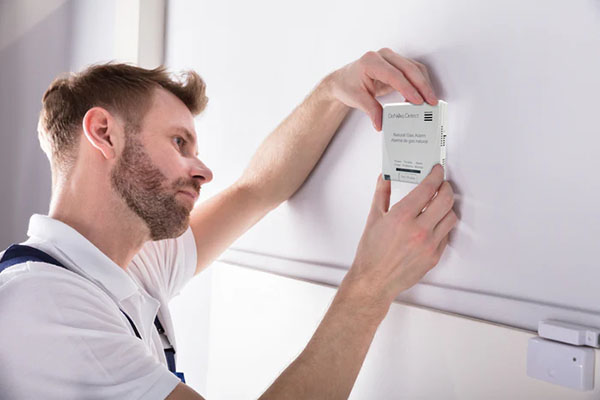
Natural gas is lighter than air and rises straight to the ceiling during a leak. Alarms plugged into low wall outlets or floor plugs will completely miss this early gas buildup. To fix this, the LL157 law requires alarms to be installed high on the wall, exactly where the rising gas gathers first.
What is NYC LL157 and Who Does It Impact?
LL157 sets clear, separate installation and maintenance duties for landlords and tenants:
| Who is Responsible | Mandated Responsibility Under LL157 |
|---|---|
| Landlords & Building Owners | Must buy and install certified UL 1484 gas alarms in all required rooms. Owners are also responsible for replacing these alarms when they expire or reach the end of their lifespan. |
| Tenants & Residents | Must keep the alarms clean and press the test button regularly to ensure they work. Tenants are responsible for replacing any alarms that are lost, damaged, or altered during their lease. |
NYC LL157 & NFPA 715 Gas Detector Placement Requirements
To pass city inspections and meet code, all alarms must be installed according to these exact spacing rules:
| Measurement Parameter | Code Limit | Required Target Area |
|---|---|---|
| Distance from Ceiling | 12 Inches or Less | The highest allowed spot on the wall, measured down from the ceiling. |
| Horizontal Range | 3 to 10 Feet | The horizontal distance required between the alarm and any gas stove, oven, or heating appliance. |
| Required Rooms | The alarm must be placed in every room with a gas appliance, including kitchens, shared laundry rooms, utility areas, and boiler rooms. | |
Don't wait until the last minute. Protect your property and install your compliant gas alarms well before the January 1, 2027 deadline to keep your building and residents safe.